Mastering Global Logistics Tracking for Modern Freight Forwarders
Wednesday, October 28 2026

In the fast-paced world of international trade, the ability to provide real-time visibility is the primary differentiator for successful freight forwarders. Modern shippers demand transparency, requiring logistics providers to transition from manual updates to automated tracking workflows. By leveraging cloud-based platforms like MakeCargo, forwarders can integrate live carrier data directly into their client-facing portals. This digital transformation reduces the burden of administrative overhead while simultaneously increasing customer satisfaction. As supply chains grow more complex, adopting advanced tracking technology becomes a strategic necessity for companies aiming to thrive in a competitive market that rewards speed, precision, and reliable communication at every transit point.
The Evolution of Visibility
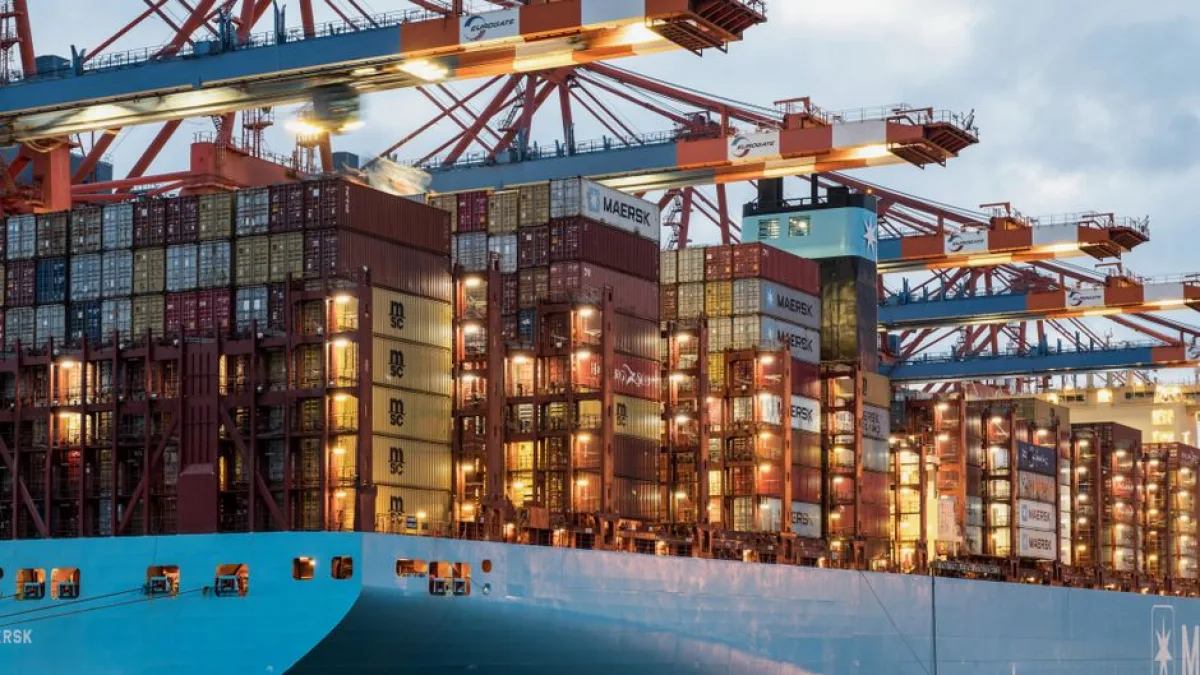
Digital visibility has moved beyond simple milestone updates to encompass predictive analytics and granular location tracking. Forwarders now leverage API integrations to bridge the gap between carrier systems and internal dashboards, ensuring data accuracy across every leg of the global shipping journey.
- Predictive Arrival Forecasting: Advanced machine learning algorithms analyze historical port congestion and weather patterns to provide customers with highly accurate estimated arrival dates rather than static generic schedules.
- Automated Status Alerts: Proactive notification systems send instant updates to stakeholders via email or SMS whenever a milestone changes, significantly reducing the volume of inbound status inquiries.
- Unified Carrier Data: Cloud platforms aggregate information from multiple ocean and air carriers into a single standardized interface, eliminating the need to log into various separate portals.
- Live Location Tracking: GPS telemetry integrated directly from vessel transponders gives forwarders the power to monitor physical movement in real time for high-value or time-sensitive cargo shipments.
Forwarders who embrace this shift toward total visibility gain a significant competitive edge in the marketplace. By offering clients a centralized hub for tracking information, businesses can build deeper trust and long-term partnerships. This reduction in manual checking allows your operations team to shift their focus from reactive updates to proactive problem solving, ensuring that exceptions are managed before they become costly delays.
Overcoming Information Silos

Information silos often occur when logistics data resides in fragmented spreadsheets or disjointed legacy systems. Breaking down these barriers is essential for maintaining a single source of truth that empowers both internal teams and external customers to access accurate shipment status.
- Centralized Documentation Storage: Storing all shipping documents like bills of lading and invoices alongside tracking data ensures that all relevant parties have instant access to essential paperwork.
- Real-time Team Collaboration: Internal messaging features embedded within tracking software allow operational staff to communicate about specific shipments without switching to external email platforms or chat tools.
- Standardized Data Formatting: Implementing universal data structures across your organization ensures that every member of the team interprets carrier information consistently, preventing costly errors or misinterpretations of transit milestones.
- Customer Self-Service Portals: Providing a dedicated portal where clients can view their shipment journey decreases dependency on your support staff for routine information requests and status updates.
Eliminating data silos fosters a culture of transparency that benefits every stakeholder in the logistics chain. When your team has immediate access to unified insights, they can respond to customer queries with confidence and speed. This systematic approach to information management not only optimizes daily operational efficiency but also scales effortlessly as your freight forwarding business continues to expand into new global markets.
Integrating API Technology

API connectivity acts as the backbone of modern freight forwarding, enabling seamless communication between global carrier networks and your proprietary tracking dashboard. Robust integration reduces manual entry errors and ensures that the tracking data presented to your clients is perpetually up to date.
- Seamless Carrier Synchronization: Direct API links pull tracking updates directly from major shipping lines and airlines, removing the manual task of updating milestones in your management software.
- Scalable Data Processing: Automated systems handle thousands of shipment updates simultaneously, ensuring that your operations team remains productive regardless of the total volume of active cargo.
- Dynamic Dashboard Updates: Front-end interfaces refresh automatically as new information arrives from the field, providing a live snapshot of global logistics operations for your entire organization.
- Error Reduction Protocols: Eliminating human intervention in the tracking pipeline drastically lowers the risk of data entry mistakes, which typically lead to costly communication breakdowns during transit.
Investing in reliable API infrastructure is no longer an optional luxury for top tier forwarders. It serves as the foundation for modern service delivery, allowing your firm to handle complex routing requirements without increasing staff headcount. By automating the data flow, your team can concentrate on strategic account management and high-level logistics planning rather than spending their hours on repetitive status data entry.
Securing Client Trust

Client trust is built through consistency and reliability in every aspect of the shipping process. Transparent tracking solutions prove to your customers that you have total control over their supply chain, which encourages repeat business and strengthens your reputation for service excellence.
- Detailed Transit History: Maintaining a comprehensive log of every milestone reached creates a transparent record of performance that can be used for quarterly business reviews with customers.
- Proactive Exception Management: Identifying and notifying clients about potential delays before they impact delivery schedules demonstrates a high level of professional care and operational vigilance for cargo.
- Consistent Branding Experience: Customizing your tracking portal with your company logo and brand colors reinforces your professional identity during every client interaction with the shipment data.
- Enhanced Security Protocols: Encrypted data transmission ensures that sensitive shipment information remains protected, providing peace of mind to clients who prioritize privacy and security in global logistics.
Ultimately, a transparent tracking experience serves as your most effective marketing tool for client retention. When shippers feel informed and secure about the location of their goods, they are far more likely to recommend your services to partners. By prioritizing a seamless and intuitive user experience, you turn standard logistics tasks into a powerful value proposition that sets your agency apart from traditional competitors.
Conclusion
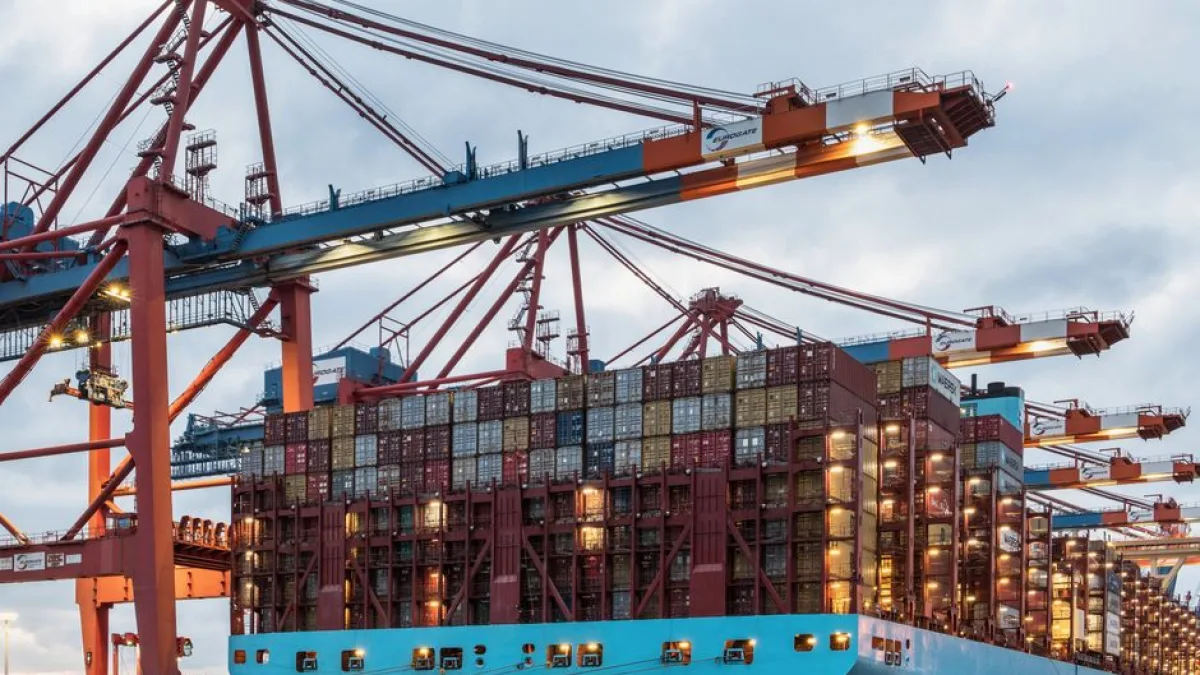
The future of logistics depends on the adoption of high-tech tracking solutions that prioritize visibility, integration, and user trust. By investing in modern software, forwarders can simplify complex operations and focus on delivering exceptional service. Take the initiative today to upgrade your tracking capabilities and transform how your business handles global freight. Contact the MakeCargo team to streamline your logistics operations immediately.