Mastering Global Logistics Tracking for Modern Freight Forwarders
Monday, August 31 2026

Modern freight forwarding requires precision, speed, and total transparency to stay competitive in a global market. Clients now expect real time updates on every movement from origin to final destination, making advanced tracking systems indispensable. By leveraging cloud based platforms, forwarders can eliminate information gaps, minimize operational errors, and provide superior service levels that foster long term customer retention. This transition from manual tracking to automated digital solutions represents a major shift in the industry, forcing professionals to reevaluate their technological stack to ensure seamless data flow and enhanced visibility throughout every stage of the international supply chain journey.
The Evolution of Visibility

Real time shipment visibility has shifted from a luxury feature to a core requirement for logistics providers. Modern clients demand instant updates on the location and status of their cargo, forcing forwarders to adopt sophisticated digital tools to remain truly relevant.
- Automated Data Streams: Integrate your software directly with shipping lines and carriers to pull live status updates, ensuring that every internal stakeholder and customer receives accurate and timely information.
- Proactive Exception Management: Identify potential transit delays or customs issues before they escalate, allowing your team to implement contingency plans that protect the integrity of your global supply chain.
- Unified Communication Channels: Consolidate tracking data into a single centralized platform to prevent information silos and ensure that every team member accesses the same verified shipping history details.
- Customer Self Service: Provide clients with secure login access to a portal where they can view shipment milestones, retrieve documents, and track cargo without manual email requests.
Adopting these digital solutions creates a transparent environment where information is always accurate. By automating routine status updates, you free up your operational staff to focus on solving complex logistical challenges rather than answering basic status queries. This shift in operational focus builds trust with your partners and demonstrates a commitment to technical excellence that differentiates your services in a crowded global marketplace.
Optimizing Warehouse Inventory Flow

Efficient tracking within the warehouse is the backbone of successful freight operations. By managing inventory movements with digital precision, forwarders can ensure that cargo is handled quickly, accurately scanned, and loaded onto the correct vessels for export.
- Barcode Scanning Integration: Implement mobile barcode scanning technology to track cargo movement from arrival at the warehouse floor to final loading, reducing manual data entry errors significantly.
- Live Inventory Dashboards: Access real time visibility of all goods currently stored in your facility, allowing for better space optimization and faster processing times for outbound shipping.
- Customized Alert Systems: Set up automated notifications for low stock levels or upcoming pickup deadlines, ensuring that your warehouse team always stays ahead of complex operational schedules.
- Digital Documentation Linking: Attach relevant shipping documents directly to inventory items within your software, ensuring that all regulatory paperwork is easily accessible during the loading process.
Streamlined inventory management reduces the likelihood of lost items and prevents costly bottlenecks during peak shipping seasons. When your warehouse data is perfectly synced with your tracking software, you gain a massive advantage in speed and reliability. Investing in these granular tracking tools ensures that your ground operations remain as efficient as your sea and air freight logistics pipelines.
Integrating Carrier APIs Effectively

Leveraging carrier APIs is essential for any forwarder looking to scale their operations. These direct connections provide a seamless flow of data from ocean liners directly into your freight management software without the need for manual inputs.
- Seamless API Connectivity: Establish stable connections with major global carriers to retrieve scheduling, arrival times, and milestone updates that sync automatically with your existing management platform systems.
- Standardized Data Formatting: Ensure that all incoming carrier data is mapped correctly into your system to provide a consistent look and feel for all your client tracking reports.
- Instant Booking Validation: Verify shipment slots and carrier schedules instantly through integrated API calls, which eliminates the need for back and forth email communications with carrier booking desks.
- Reduced Manual Overhead: Cut down on administrative tasks by letting the software handle data reconciliation, allowing your team to focus on high value logistics planning and strategic development.
Building a robust API integration strategy allows your company to handle higher volumes without increasing headcount. By automating the data retrieval process, you ensure that your tracking reports are always current, even during busy periods. This technical infrastructure serves as the foundation for modern freight forwarding, enabling your business to grow sustainably while maintaining the highest level of accuracy for your international shipping partners.
Managing Exceptions with Data
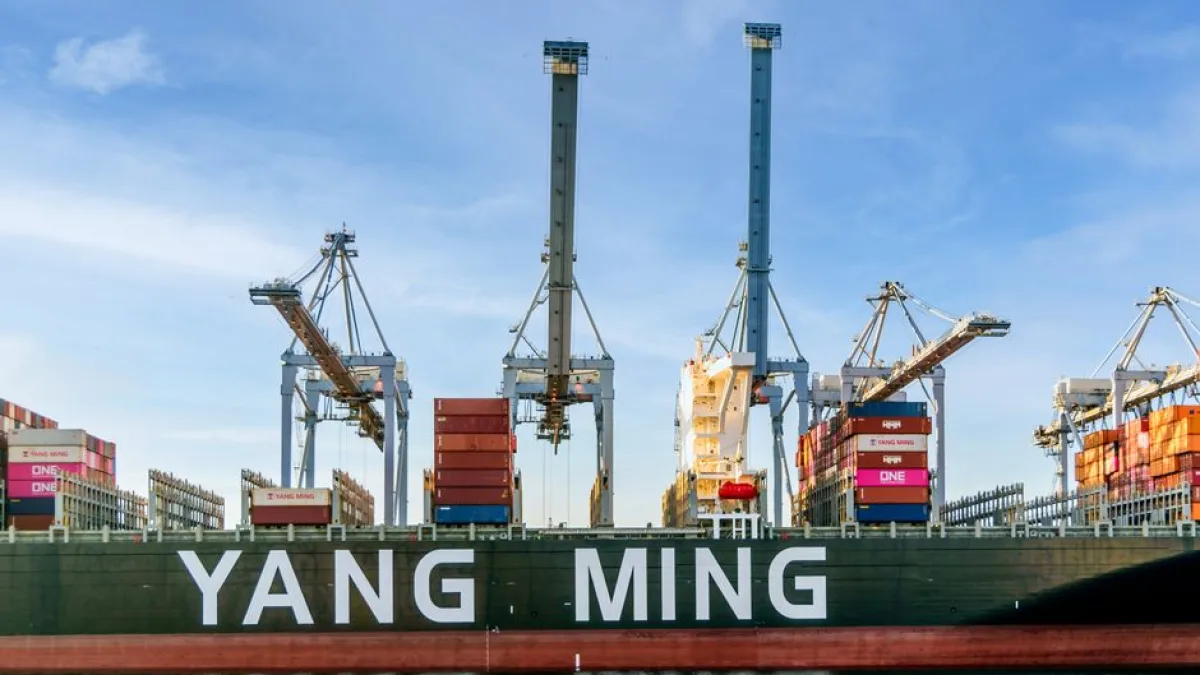
Even the best logistics plans encounter unexpected hurdles. Effective exception management uses data tracking to turn potential disasters into manageable tasks, keeping your clients informed and satisfied even when things do not go according to plan.
- Predictive Delay Analytics: Utilize historical data and weather patterns to anticipate potential transit delays, allowing you to notify clients early and adjust delivery expectations proactively and professionally.
- Automated Escalation Paths: Configure your system to alert senior operations staff whenever a cargo movement stalls, ensuring that critical issues receive immediate attention from the most experienced personnel.
- Transparent Client Reporting: Provide honest and detailed reporting when delays occur, using the tracking software to show that you are in control of the situation and the resolution.
- Historical Performance Insights: Review previous shipment exceptions within the software to identify recurring issues with specific routes or carriers, enabling long term improvements to your global logistics strategy.
Handling exceptions with confidence is what separates professional forwarders from the rest of the market. When you use data to resolve issues, you provide your clients with the reassurance that their cargo is in capable hands. This proactive approach to problem solving transforms potential negative experiences into opportunities to prove your value, strengthening client relationships and ensuring your long term growth and stability.
Conclusion

Mastering shipping and tracking is essential for success in today's fast paced global freight market. By implementing automated data flows, optimizing warehouse inventory, and leveraging carrier APIs, forwarders can achieve unmatched visibility. Use these strategies to improve your operational efficiency and client satisfaction levels. Start upgrading your logistics technology today to stay ahead of the competition and deliver superior service across every single shipment.
" every single shipment."}