Mastering Global Logistics Tracking for Freight Forwarders
Saturday, August 8 2026
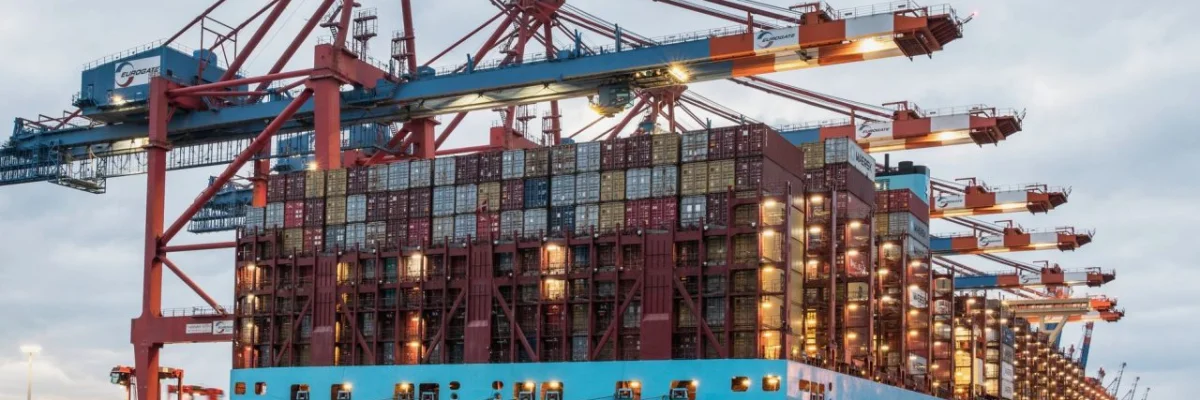
Modern freight forwarding relies on the seamless flow of information as much as the movement of physical goods across international borders. As digital transformation continues to reshape the supply chain, professionals must embrace advanced tracking capabilities to maintain transparency and operational efficiency. Real-time data visibility is no longer a luxury but a fundamental requirement for companies aiming to meet the rising expectations of shippers and consignees alike. By leveraging integrated cloud-based software, forwarders can proactively manage risks, reduce manual communication bottlenecks, and provide a superior customer experience that builds long-term loyalty in a highly competitive global marketplace.
Optimizing Shipment Visibility Tools

Digital dashboard interfaces have revolutionized how logistics teams monitor cargo status in real-time. By centralizing data from multiple carriers and shipping lines, professionals can eliminate information silos and provide accurate arrival predictions to their clients without constant manual checks.
- Automated status updates: Real-time synchronization ensures that every stakeholder receives instant notifications regarding vessel arrivals or delays, significantly reducing the administrative burden on your internal support team during transit.
- Centralized data platforms: Consolidating tracking inputs from diverse carriers into a single interface allows staff to monitor global operations efficiently while maintaining consistent communication standards across all shipments.
- Predictive delay analysis: Advanced algorithmic tools monitor weather patterns and port congestion to alert operators about potential bottlenecks before they impact delivery timelines for your key logistics clients.
- Enhanced shipper portals: Providing customers with secure access to live shipment tracking dashboards fosters trust and reduces the volume of repetitive status requests handled by your staff.
Adopting these sophisticated digital tools allows freight forwarders to transcend basic tracking functions. Instead of reacting to disruptions as they occur, your team can pivot toward a proactive service model that anticipates needs before they become problems. This strategic shift not only improves client satisfaction ratings but also creates a more scalable workflow that supports business growth even as your shipment volumes increase steadily over time.
Leveraging IoT for Cargo Security
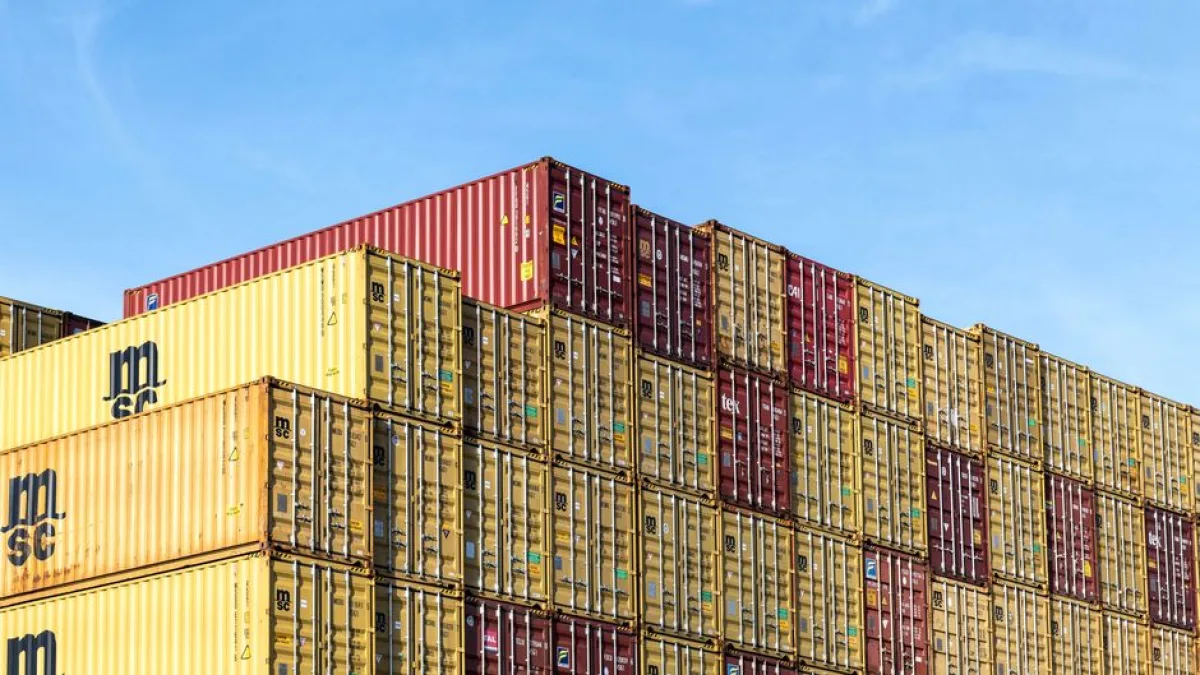
Internet of Things technology offers unprecedented insight into the physical condition of cargo while it sits inside containers. Sensors now track temperature, humidity, and location, ensuring that sensitive goods remain in optimal conditions throughout their journey across the global supply chain.
- Real-time environmental monitoring: Sensors provide continuous data on temperature and humidity levels inside containers, which is critical for transporting perishable food items or sensitive pharmaceutical products across long distances.
- Impact detection sensors: Built-in accelerometers notify logistics managers immediately if a container experiences excessive physical stress or unauthorized handling, helping to identify damage before goods reach their final destination.
- Geofencing security protocols: Automated alerts trigger whenever a shipment deviates from its planned geographic route, providing an essential layer of security against cargo theft and unauthorized logistical detours globally.
- Documented audit trails: Collecting sensor data creates an unalterable history of container conditions, which simplifies insurance claims and dispute resolution processes when shipment damage occurs during international transit.
Integrating IoT solutions into your standard operating procedures provides a unique value proposition that justifies premium service pricing for your clients. By guaranteeing the integrity of goods through continuous digital oversight, you demonstrate a level of professionalism that separates your firm from low-cost competitors. This focus on data-backed security ensures that your company remains a trusted partner for high-value and sensitive cargo shipments.
Integrating API Connectivity Solutions

Direct API connections between carrier systems and your proprietary platform enable the seamless exchange of tracking data. This technical integration removes the need for manual data entry, minimizes human error, and ensures that your shipping information remains perfectly accurate.
- Direct carrier integration: Linking your software via API to major ocean carriers ensures that status data flows directly into your system without the need for manual updates daily.
- Eliminating manual entry: Automated data ingestion removes the possibility of clerical errors during shipment creation, resulting in cleaner records and improved data integrity across your logistics software platform.
- Real-time data synchronization: Instant updates ensure that your dispatch team and your clients see the exact same information, preventing confusion and double-checking of outdated shipment tracking records.
- Customizable reporting modules: Utilizing API data allows you to generate automated reports that highlight performance metrics for specific shipping lanes or carrier partners, aiding your strategic business planning.
Transitioning to API-driven workflows transforms how your office functions by liberating employees from tedious data management tasks. When software systems communicate directly, your team gains time to focus on complex problem solving and business development activities that truly move the needle. Embracing these technical integrations is essential for any forwarder looking to remain relevant and efficient in an increasingly automated and digital shipping industry.
Managing Exception Handling Protocols
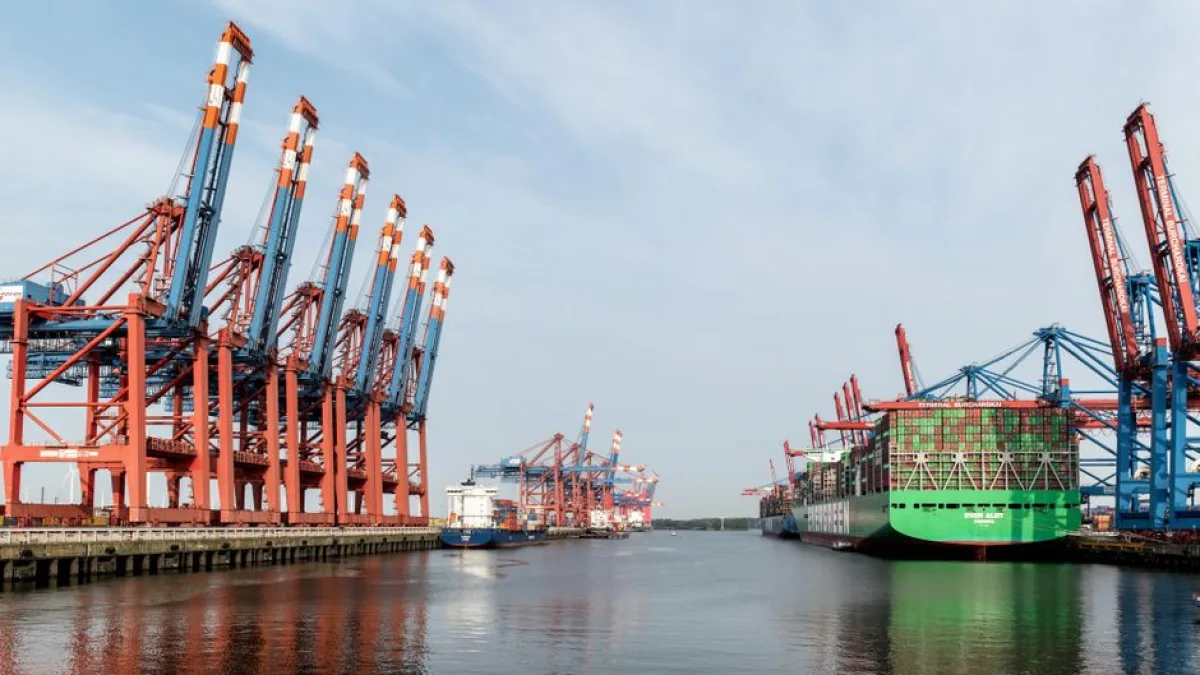
Shipment exceptions are inevitable in global logistics, making the process of how you handle delays essential to your reputation. A structured approach to exception management ensures that your team remains calm and effective even when disruptions threaten supply chain stability.
- Standardized alert procedures: Establishing clear internal protocols for managing shipment delays ensures that every team member knows exactly how to communicate bad news to clients with professional accuracy.
- Proactive contingency planning: When an exception is flagged, having pre-approved alternative routes or carrier options allows your team to react instantly and minimize impact on the final delivery.
- Transparent client communication: Being honest and timely about transit issues preserves your reputation and demonstrates a commitment to transparency that builds long-term loyalty with your base of shippers.
- Performance feedback loops: Reviewing past exceptions allows management to identify systemic issues with specific carriers or ports, helping to guide future carrier selection for your upcoming logistics projects.
Efficiently managing exceptions is the hallmark of a high-performing freight forwarding operation. By maintaining a calm, data-driven response system, you turn potentially volatile situations into opportunities to demonstrate your company reliability. Prioritize these communication standards to ensure that even when things do not go according to plan, your clients know they have a professional team actively working to fix the situation quickly.
Conclusion

Mastering the complexities of shipment tracking requires a combination of robust technology and refined operational strategy. By implementing digital dashboards, IoT monitoring, and seamless API integrations, your freight forwarding firm will be well positioned to lead the market. Stay committed to transparency and proactive communication to secure your competitive advantage, ensuring that your business provides unmatched value to every client in your network.