Mastering Global Logistics Tracking for Freight Forwarders
Saturday, August 15 2026
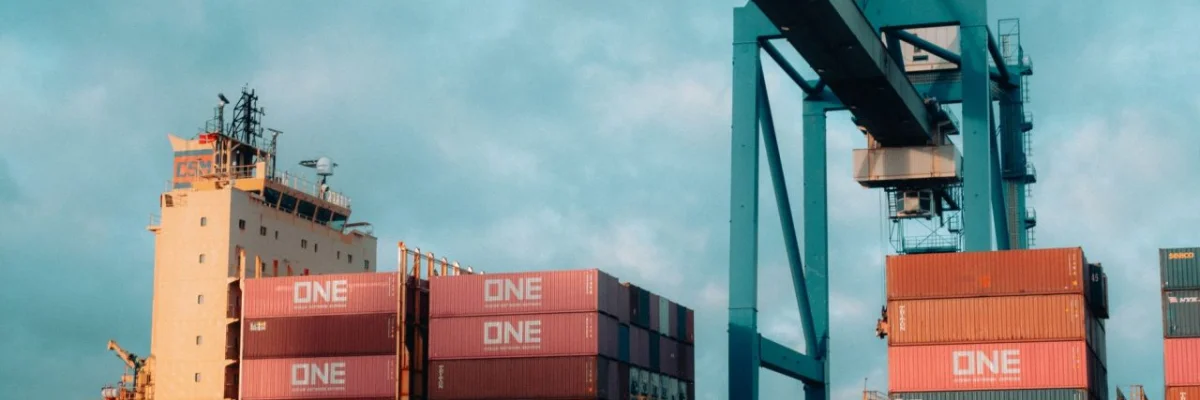
Modern freight forwarding operates in an era where data transparency determines success. Clients now demand instant updates on cargo status, making advanced tracking systems a core necessity rather than a luxury. For logistics professionals, moving away from manual spreadsheets to cloud-based visibility tools is essential for maintaining a competitive edge. This shift reduces communication friction, minimizes manual errors, and fosters deeper client trust. As supply chains become increasingly volatile, having a real-time pulse on your shipments allows for proactive problem-solving. Embracing technological transformation enables forwarders to scale operations while delivering the superior service levels required in today's demanding international trade landscape.
The Evolution of Visibility

Real-time visibility has shifted from a premium service feature to a fundamental baseline expectation for shippers. Modern tracking solutions provide deep granular insights that help forwarders navigate complex routes and unpredictable maritime conditions with much greater precision and confidence.
- Enhanced Data Accuracy: Automated tracking feeds eliminate human data entry errors which often plague manual processes, ensuring that your clients receive precise location updates regarding their cargo status daily.
- Proactive Exception Management: Advanced software platforms identify potential delays before they impact delivery timelines, allowing forwarders to reroute shipments and communicate solutions to customers long before frustration levels rise.
- Centralized Information Hubs: Consolidating shipment data into one cloud interface removes the need to toggle between different carrier portals, saving hours of administrative work for your busy operations team.
- Customizable Client Dashboards: Providing customers with direct portal access allows them to monitor their own freight progress, which significantly reduces the volume of status inquiries hitting your support inbox.
- Improved Operational Efficiency: Streamlined visibility tools empower your staff to focus on high-value logistics challenges rather than answering repetitive email requests about where a specific container is currently located.
Adopting sophisticated tracking technology fundamentally changes how you interact with your clients and carriers. By automating the data flow, you create a transparent environment where information is always accessible and reliable. This operational maturity reduces your overhead costs and positions your firm as a modern leader in the logistics industry. Start your digital transformation journey today to ensure your business remains truly agile.
Integrating Carrier Data Feeds
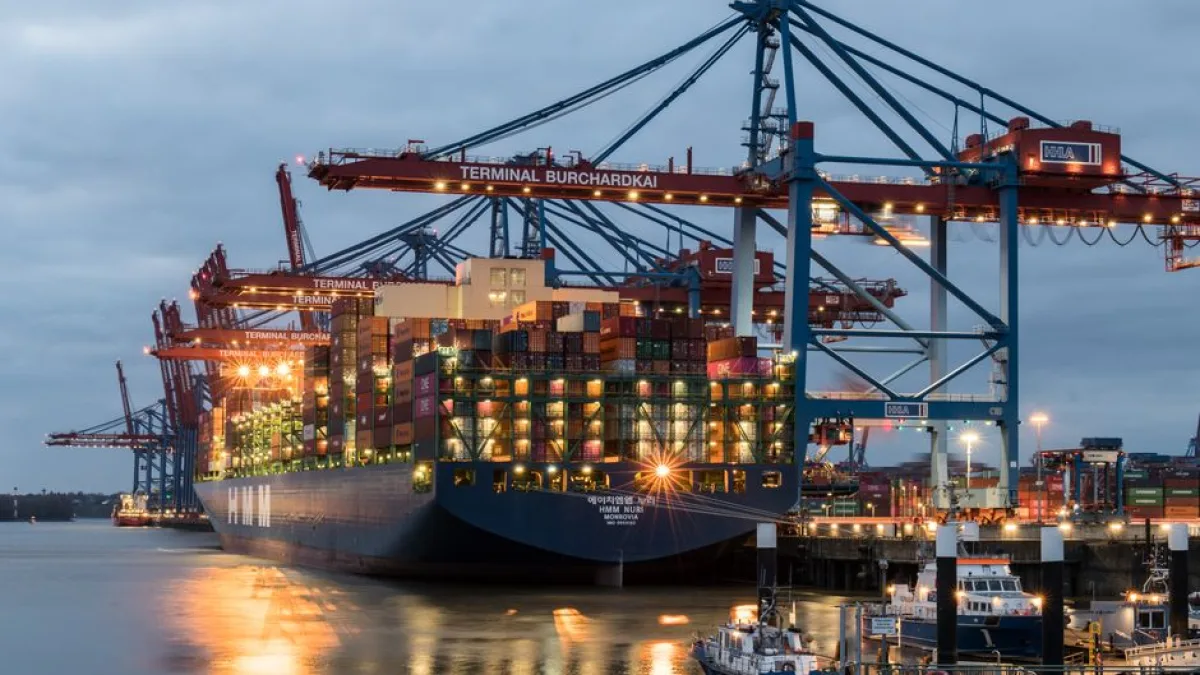
Connecting directly to global carrier networks provides a comprehensive view of complex supply chains. By leveraging integrated data feeds, forwarders can synchronize fragmented information into a single, cohesive narrative that highlights the exact movement of every individual cargo shipment.
- Seamless API Connectivity: Modern software platforms utilize secure API connections to pull live updates from steamship lines and airlines, providing you with the most accurate status information available.
- Automated Milestone Notifications: Configuring automatic triggers for specific events like vessel departures or gate-ins ensures your team stays informed without needing to check individual carrier tracking sites manually.
- Unified Carrier Reporting: Standardized data structures allow you to compare performance metrics across different providers, enabling you to select the most reliable carriers for your future shipments.
- Reduced Manual Tracking: Removing the reliance on repetitive manual checking frees your employees to focus on complex exception handling and strategic account management for your most important clients.
- High Data Reliability: Direct feeds minimize the information lag often associated with third-party aggregators, giving you a competitive advantage through superior speed and total data integrity every day.
Integrating diverse carrier feeds represents a major milestone in operational efficiency for any growing freight forwarding company. This connectivity provides the transparency necessary to manage customer expectations effectively during disruptions. When your systems are fully synchronized with global carrier networks, you gain the confidence to make data-driven decisions that save time and money. Invest in these digital connections to strengthen your overall service offering.
Leveraging Predictive Analytics Tools

Predictive analytics turn historical and real-time data into actionable insights for logistics planning. By analyzing past shipment patterns, forwarders can anticipate potential bottlenecks and prepare alternative strategies to keep cargo moving smoothly through the international supply chain network safely.
- Anticipating Transit Delays: Sophisticated algorithms evaluate historical weather patterns and port congestion data to estimate transit times more accurately than standard carrier estimates currently allow for your team.
- Optimizing Route Planning: Analytical tools suggest the most efficient transit paths based on current global conditions, helping you minimize fuel consumption and reduce overall carbon emissions effectively.
- Capacity Forecasting Models: Historical shipment volumes enable you to predict future space requirements, ensuring you secure necessary equipment and space during peak seasons without facing service disruptions.
- Cost Trend Analysis: Tracking shipping cost fluctuations over time helps your procurement team negotiate better rates and provide more accurate pricing projections to your valued corporate clients.
- Resource Allocation Strategy: Identifying busy periods allows management to assign staff resources effectively, preventing burnout while ensuring high service quality remains consistent throughout the entire year.
Predictive analytics represent the next frontier in freight forwarding. By looking forward rather than just documenting the past, you gain an incredible strategic advantage. These tools empower your team to transition from reactive service providers to proactive logistics partners. As you implement these advanced systems, your firm will be better prepared to handle future disruptions while maintaining a high level of operational excellence.
Strengthening Client Trust Daily

Consistent communication remains the bedrock of successful client relationships in the logistics sector. Delivering accurate tracking updates fosters long-term loyalty, as customers feel empowered and informed regarding the status of their high-value freight at every single critical stage.
- Instant Status Updates: Providing automated notifications for key milestones demonstrates a high level of professionalism, showing your clients that you value their time and their freight investments.
- Professional Portal Branding: Customizing your tracking interface with your own company logo and colors strengthens your brand identity and provides a seamless professional experience for all users.
- Transparent Exception Resolution: Being honest about delays and providing clear solutions builds credibility even when problems occur, proving your commitment to delivering results under pressure every day.
- Streamlined Communication Loops: Centralizing discussions within a tracking portal keeps records clear and accessible, preventing important details from getting lost in endless email threads or text messages.
- Data-Driven Value Add: Sharing regular reports on transit performance adds value beyond basic shipping services, positioning your company as a consultant invested in their overall business growth.
Trust is the most valuable currency in the global freight forwarding industry today. By utilizing robust tracking technology to maintain open lines of communication, you build lasting partnerships. Your clients are looking for reliability and clarity throughout the complex shipping process. When you consistently deliver these values, you secure their long-term business and generate positive referrals that help your company thrive sustainably.
Conclusion

Tracking technology is the foundation of a modern and scalable freight forwarding business. By embracing automation, integrating carrier feeds, and using predictive insights, you create a superior experience for your clients. Transitioning to a digital-first approach ensures that you stay competitive in a rapidly evolving market. Start optimizing your tracking processes today to drive operational efficiency and achieve long-term growth for your logistics company.