Mastering Global Logistics Tracking for Freight Forwarders
Sunday, September 27 2026
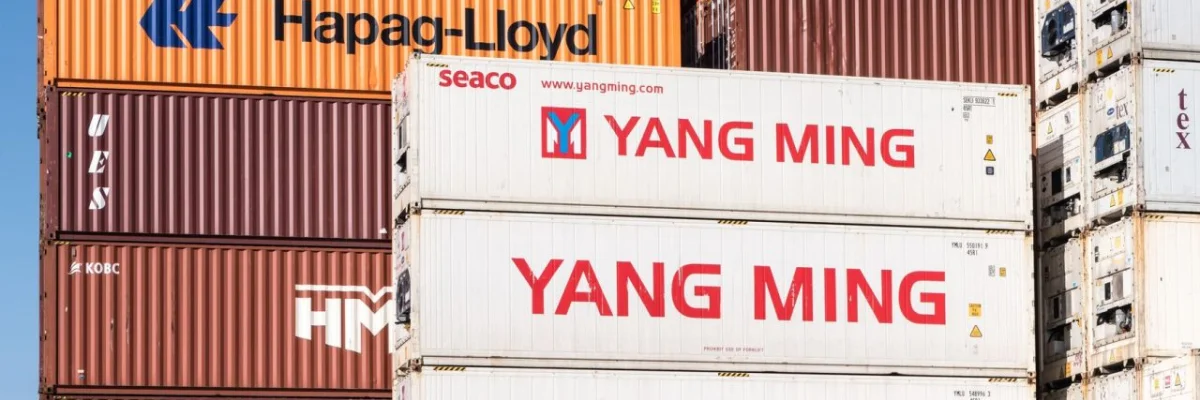
Modern freight forwarding relies on more than just moving physical goods from point A to point B. It requires a sophisticated approach to data visibility that bridges the gap between complex supply chain stakeholders and end customers. As global trade becomes increasingly volatile, the ability to provide accurate and real-time tracking information has transitioned from a value-added service to an essential operational requirement. Freight forwarders must leverage advanced software solutions to consolidate fragmented data, minimize manual input errors, and ensure that every container journey is transparent, predictable, and fully compliant with the evolving expectations of today's international shippers.
Optimizing Real Time Visibility
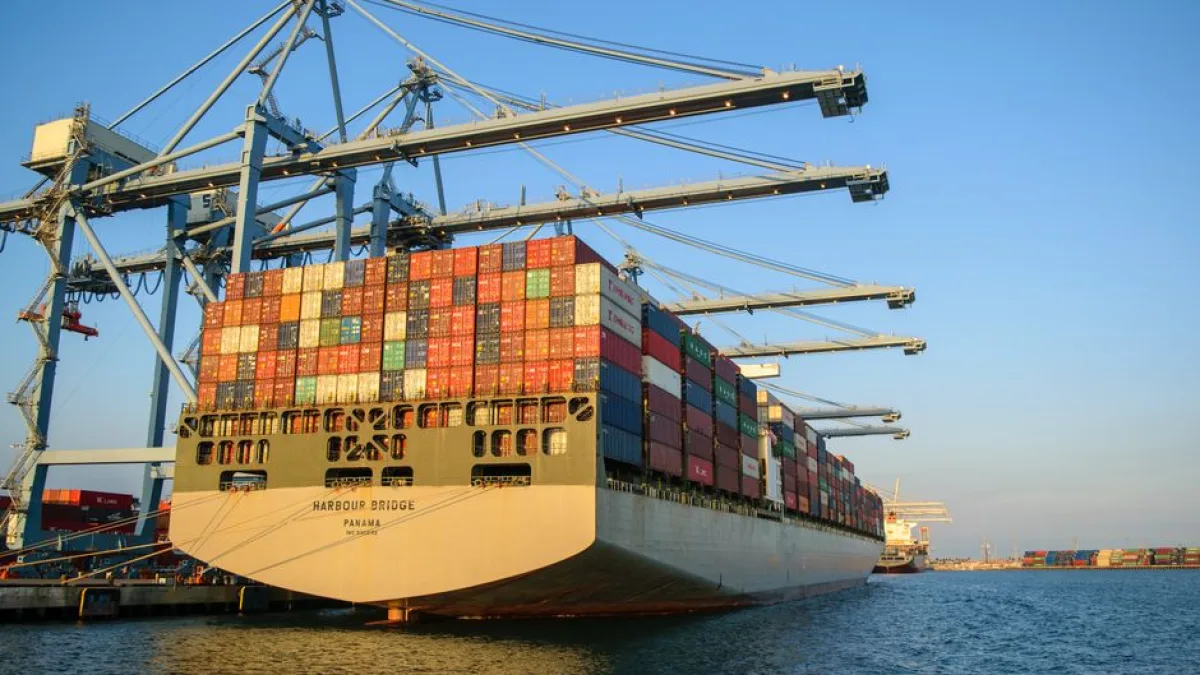
Visibility remains the cornerstone of modern logistics, allowing forwarders to monitor shipments across diverse modes of transport. By integrating automated tracking systems, professionals can identify potential delays immediately and proactively communicate changes to stakeholders, ensuring that transparency remains a priority throughout the cycle.
- Live Data Feeds: Integrating direct API connections with ocean carriers provides instantaneous status updates for containers in transit, significantly reducing the manual effort required for constant status checking processes.
- Automated Exception Alerts: Advanced systems automatically trigger notifications when a shipment deviates from its planned schedule, enabling teams to take corrective actions before problems impact the final delivery window.
- Unified Tracking Dashboards: Centralizing shipment data into a single interface allows staff to view multiple transport modes simultaneously, which simplifies monitoring tasks and eliminates the need for switching tabs.
- Enhanced Client Reporting: Offering clients access to personalized portals fosters higher levels of trust and satisfaction, as customers feel empowered by having direct visibility into their active supply chains.
By prioritizing visibility, forwarders can differentiate their services in a highly competitive market. When data is accessible and accurate, the entire logistics network operates with greater agility and precision. This technological shift does not just simplify daily tasks for employees but also provides a superior experience for shippers, which ultimately leads to stronger business relationships and improved long-term retention rates across your global network.
Harnessing Data Analytics Insights

Data analytics transforms raw tracking figures into actionable intelligence for long-term strategic planning. By examining historical performance patterns, forwarders can pinpoint recurring bottlenecks in specific lanes, refine their choice of carrier partners, and ultimately drive better service quality for every client shipment.
- Route Performance Metrics: Analyzing past transit times helps forwarders identify which specific lanes are prone to congestion, allowing them to recommend faster alternatives to clients for future shipments.
- Carrier Reliability Tracking: Compiling statistics on carrier punctuality enables logistics professionals to make evidence-based decisions regarding which shipping lines offer the best value for specific client requirements.
- Cost Management Analysis: Detailed tracking of extra charges associated with delays assists in identifying recurring issues, which helps the team negotiate better terms or adjust internal processes accordingly.
- Predictive Capacity Planning: Utilizing historical shipment volumes allows businesses to forecast upcoming demand spikes, ensuring that staff are prepared to manage increased workloads without compromising on service quality.
Implementing a robust analytics framework is essential for forwarders who want to scale their operations effectively. Moving beyond basic monitoring allows firms to predict trends rather than simply reacting to issues as they happen. This proactive mindset transforms the forwarder from a simple service provider into a vital consultant, helping clients navigate the complexities of global trade with deeper confidence and foresight.
Automating Shipment Communication Flows

Automated communication is a critical bridge between internal operations and external stakeholders. By streamlining notifications throughout the shipment lifecycle, forwarders ensure that clients and partners stay informed without the constant manual intervention that often leads to bottlenecks in high-volume logistics environments.
- Instant Status Updates: Configure automated emails to trigger at specific milestones, such as cargo arrival at the port or customs clearance, keeping all relevant parties informed in real-time.
- Customized Client Notifications: Setting up personalized notification rules allows companies to provide exactly the amount of information that a specific client requires, avoiding unnecessary noise during the shipment.
- Collaborative Workflow Tools: Using internal messaging features attached to specific tracking files ensures that team members remain aligned, preventing common communication gaps when multiple people handle one shipment.
- Seamless Document Sharing: Linking critical documents like bills of lading directly to tracking notifications ensures that clients have everything they need without requiring follow-up emails from your team.
Automation serves as the engine that keeps modern freight forwarding operations running smoothly. By removing repetitive manual updates, your staff can focus on high-value tasks that require genuine human expertise. This creates a cycle of efficiency that minimizes the risk of human error while ensuring that communication remains consistent, professional, and timely for every single shipment handled by your firm today.
Ensuring Supply Chain Transparency

Transparency serves as the foundation for building long-term trust with shippers in an unpredictable global economy. By offering deep, clear insights into every stage of the transit process, forwarders can demonstrate their value and commitment to excellence, effectively securing their position as an indispensable partner in the client logistics ecosystem.
- End-to-End Tracking: Providing visibility from the factory floor to the final destination ensures that no part of the supply chain remains a black box for the customer.
- Exception Management Clarity: Communicating clearly about why a delay has occurred helps maintain professional rapport, showing the client that the firm is in control despite external challenges.
- Proof of Delivery: Digitizing confirmation documents provides undeniable evidence of successful arrival, which streamlines billing cycles and helps resolve potential disputes faster than traditional paper-based methods ever could.
- Regulatory Compliance Reporting: Maintaining transparent records ensures that all international customs requirements are met, reducing the risk of fines and ensuring a smoother experience for the customer.
Ultimately, transparency is the defining factor that separates top-tier freight forwarders from the rest of the industry. When clients can see exactly where their cargo is and what challenges it faces, they are far more likely to remain loyal. Leveraging the right technology to maintain this level of clarity is a strategic investment that will pay dividends in growth and reputation.
Conclusion

Mastering global logistics tracking is essential for forwarders aiming to thrive in a digital-first environment. By focusing on real-time visibility, data-driven insights, automated communication, and end-to-end transparency, you can elevate your service standards significantly. Embracing these technological practices will not only streamline your daily operations but also position your business as a trusted, reliable partner for shippers navigating the complexities of modern international trade.