Mastering Global Logistics with Advanced Real-Time Cargo Tracking
Monday, August 10 2026
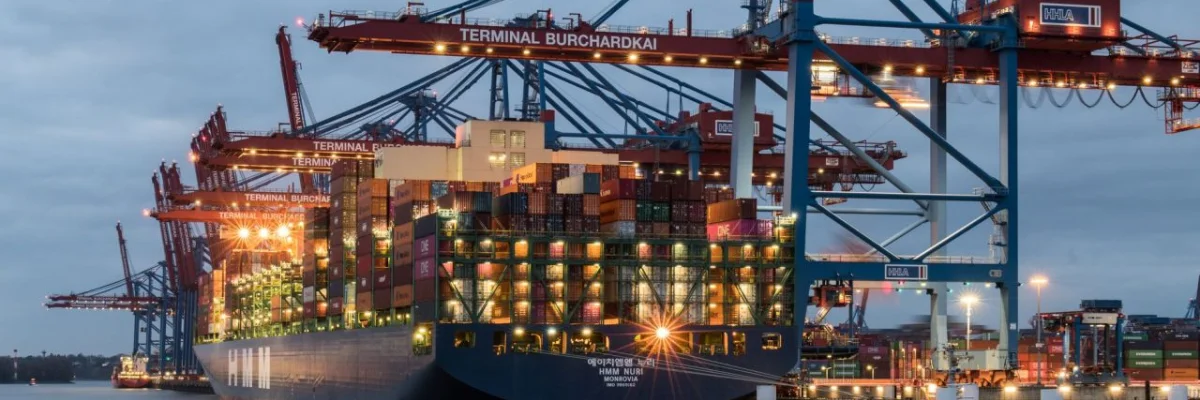
In the modern logistics landscape, freight forwarding professionals face unprecedented pressure to provide end-to-end visibility. As supply chains grow more complex, the ability to monitor shipments in real time has transitioned from a luxury to an operational necessity. Effective tracking reduces communication overhead and builds client trust by providing proactive status updates. By leveraging cloud-based platforms, forwarders can integrate disparate data points into a single source of truth. This shift not only prevents costly delays but also empowers teams to make informed decisions that keep global trade moving efficiently despite unforeseen disruptions in the shipping lane.
The Evolution of Visibility
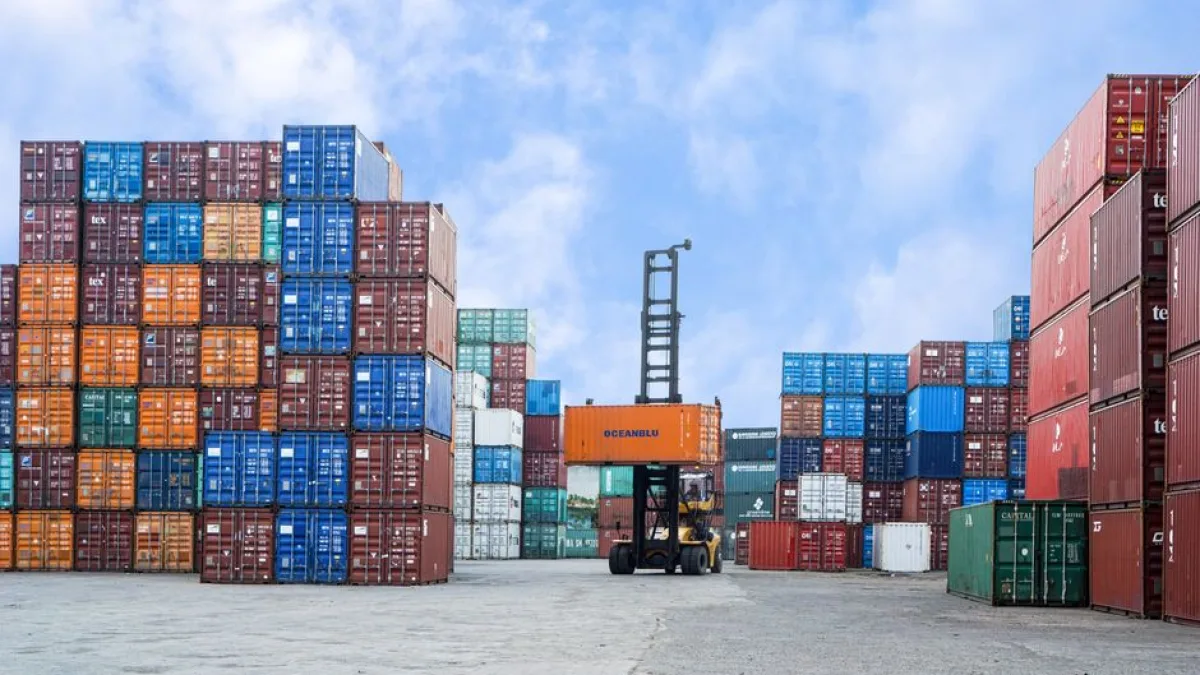
Technological advancements have fundamentally shifted how we monitor freight across the ocean. Digital integration allows forwarders to move beyond basic email updates, offering a comprehensive view of container movements from origin to destination through sophisticated cloud software systems.
- Seamless data integration: Connecting your freight software directly with carrier APIs ensures that tracking information is updated automatically without the need for manual data entry or redundant tasks.
- Proactive status alerts: Automated notification systems keep your team and customers informed immediately when a shipment changes status or faces unexpected delays at any port terminal globally.
- Centralized document access: Storing all relevant shipping documentation within a single digital portal simplifies the retrieval process for customs brokers and warehouse staff during the delivery.
- Enhanced client portals: Providing customers with a branded tracking page improves transparency and reduces the volume of repetitive status inquiry emails directed at your operations desk.
- Reliable tracking data: Consistently accurate information helps logistics teams identify bottlenecks early so they can implement contingency plans before minor issues become major supply chain disruptions.
Adopting these digital tools transforms the freight forwarding experience for everyone involved. When data flows without friction, your team saves hours of manual work every single week. This transition allows staff to focus on high-value logistics strategy rather than chasing container statuses. Ultimately, the move toward total visibility creates a resilient business model capable of handling the demands of modern international trade requirements.
Managing Exception Handling

Exception handling requires swift reactions to unforeseen cargo disruptions. When containers are held up at transit points, forwarders must utilize real-time data to find alternatives, communicate with stakeholders, and minimize the impact on the client delivery schedule effectively.
- Real-time disruption alerts: Instant notification of vessel delays or terminal congestion allows you to react faster than competitors, securing priority space or alternative routing for cargo.
- Dynamic route optimization: Software tools help compare alternative shipping lanes or modes of transport when primary routes face significant backlogs or port strikes that halt progress.
- Transparent client communication: Providing honest updates during transit exceptions builds long-term loyalty, as customers appreciate transparency more than silence during difficult and unpredictable global shipping scenarios.
- Document modification speed: Digital workflows enable rapid updating of bills of lading or customs declarations, ensuring that freight clearance continues despite changes in the intended path.
- Cost impact analysis: Automated reporting tools calculate potential expenses associated with various rerouting options, helping you present the most economical choices to your demanding shipping clients.
Handling exceptions with agility separates high-performing freight forwarders from the rest of the industry. When a problem arises, your ability to provide clear options based on accurate data creates a professional and reliable image. By mastering these digital workflows, you ensure that your logistics firm remains a vital partner that can navigate the volatility of international shipping lanes with ease.
Streamlining Customs Clearance

Customs documentation is often the bottleneck in the global supply chain. Digitizing the flow of paperwork between forwarders, shippers, and customs agencies reduces transit times and ensures compliance with ever-changing international trade regulations and local maritime security standards.
- Automated form generation: Modern platforms pre-fill customs documents using existing shipment data, which drastically reduces errors and speeds up the entire document submission and validation process.
- Regulatory compliance tracking: Built-in checklists ensure that every shipment meets specific destination country requirements, preventing costly fines or storage fees during the final clearance stage.
- Direct digital filing: Electronic submission portals eliminate the need for physical paperwork by connecting directly with government databases to facilitate instant approval of your cargo documents.
- Collaborative verification steps: Shared digital spaces allow shippers and brokers to review documents concurrently, minimizing the back-and-forth communication that typically delays the start of clearance.
- Historical archive access: Maintaining a searchable digital audit trail of all previous customs entries helps you prepare for future shipments and simplifies regulatory reporting for audits.
Efficiency in customs clearance relies on clean data and fast information exchange. By removing manual paperwork from the equation, your team can handle a much higher volume of shipments without increasing operational costs. This operational efficiency gives you a competitive advantage, allowing your firm to promise faster delivery times and a seamless experience that keeps customers returning for future business.
Leveraging Predictive Analytics

Predictive analytics brings a new layer of intelligence to freight forwarding operations. By analyzing historical shipping data and current market trends, firms can anticipate future demand patterns and mitigate risks before they affect the bottom line of the cargo.
- Capacity trend forecasting: Examining past seasonal spikes helps you secure the necessary vessel space ahead of time, ensuring you remain prepared even during the busiest periods.
- Route performance scoring: Data analysis reveals which shipping lanes or carriers provide the most reliable service, enabling you to make smarter vendor selections for clients.
- Bottleneck identification patterns: Software can flag recurring port delays at specific locations, allowing you to suggest smarter logistics schedules that avoid these known high-risk transit zones.
- Inventory flow optimization: Insights into delivery timelines help your customers better manage their own stock levels, which creates a more productive relationship between you and them.
- Revenue growth modeling: Tracking your most profitable shipments enables you to focus your sales efforts on those specific routes or cargo types for future success.
Predictive intelligence turns your logistics firm into a proactive consultancy rather than a reactive service provider. When you offer clients advice based on data trends, you become an indispensable part of their supply chain strategy. Investing in these analytical tools provides a massive return on investment, as it turns your historical data into an asset that fuels sustainable growth and efficiency.
Conclusion
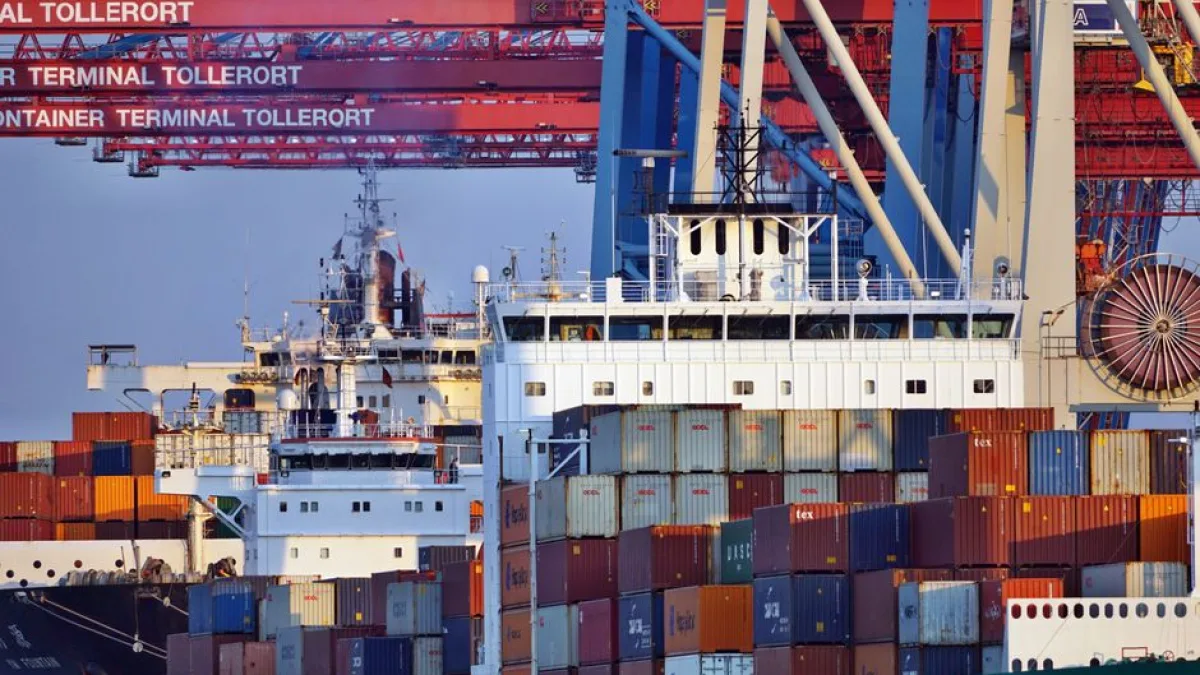
Mastering modern tracking technology is essential for any professional freight forwarder. By integrating these systems, you enhance visibility, simplify customs, and provide better outcomes for your clients. Focus on adopting cloud-based solutions that offer both automation and predictive insights to stay ahead in the competitive logistics market. Start streamlining your operations today to build a more resilient and profitable global shipping business.