Mastering Global Logistics with Advanced Real-Time Cargo Tracking
Monday, August 24 2026
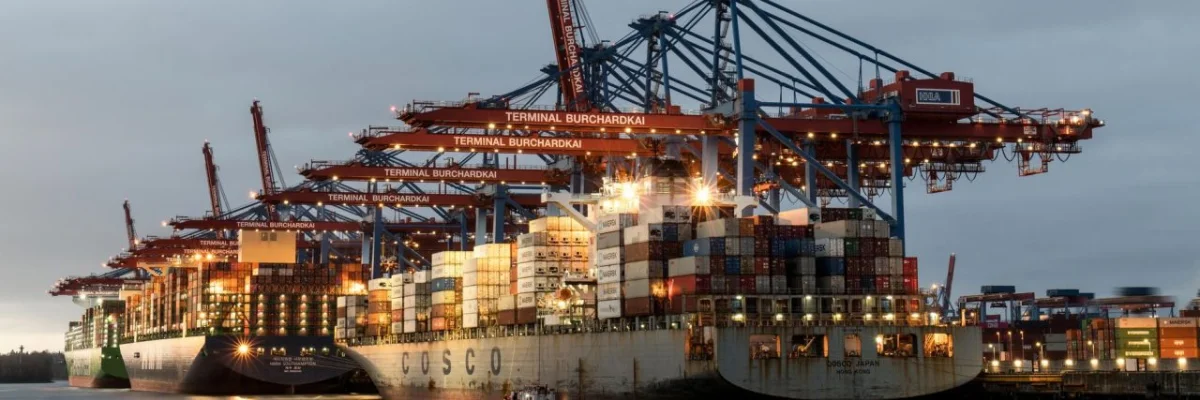
Modern supply chains demand unprecedented levels of transparency as global trade becomes increasingly complex and fast paced. For freight forwarders, the ability to provide accurate status updates is no longer a luxury but a core operational requirement. Clients expect instant visibility into every stage of the shipment journey from initial warehouse pickup to final destination delivery. By integrating sophisticated digital tracking tools into your workflow, you can proactively manage potential disruptions and maintain trust with your partners. This shift toward total digital oversight transforms tracking from a reactive manual task into a strategic advantage that fuels long term business growth.
Optimizing Shipment Visibility
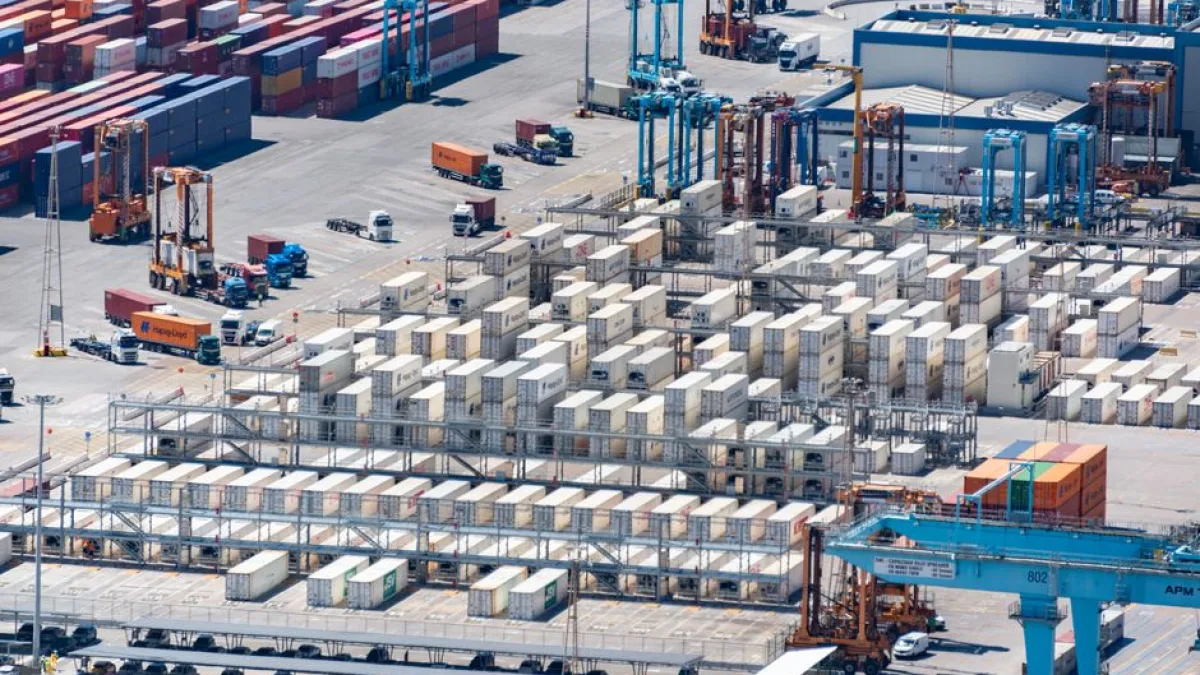
Visibility acts as the backbone of successful freight forwarding operations by providing essential data points during transit. Maintaining a clear view of your inventory movement allows your team to address bottlenecks before they escalate into major problems for your clients.
- Automated status updates: Real time data feeds ensure that every stakeholder receives instant notifications regarding shipment progress without the need for manual status checks or time consuming email exchanges.
- Centralized data dashboards: Consolidating tracking information within a single interface reduces human error and simplifies the daily management of high volume shipments across multiple international shipping carriers and routes.
- Proactive delay management: Early detection of weather delays or port congestion allows you to reroute cargo and provide clients with accurate updated arrival times before frustration sets in.
- Customer portal access: Providing secure self service portals empowers your clients to track their own orders independently which significantly reduces the workload on your customer support service teams.
Leveraging these tools ensures that your logistics team stays ahead of the curve while delivering superior service quality. When data flows freely between systems, you create a seamless experience that differentiates your firm from competitors. Investing in centralized tracking solutions is the fastest way to stabilize your operations and prepare your company for the increasing demands of modern international shipping standards.
Integrating Digital Logistics Solutions

Integration remains the most critical step for forwarders looking to modernize their internal software stack. Moving away from manual spreadsheets to a unified platform ensures that tracking data is accurate, accessible, and consistently updated for every active shipment file.
- Seamless API connectivity: Linking your freight software directly with carrier databases ensures that tracking information is automatically synchronized without needing any manual data entry from your staff.
- Cloud based accessibility: Storing shipment records in a secure cloud environment means that your logistics team can access tracking details from any location at any given time.
- Data synchronization accuracy: Automated systems eliminate the discrepancies often found in manual logs, ensuring that your financial invoicing is always aligned with actual cargo transit events recorded.
- Vendor system alignment: Standardizing data formats across all your sub contractors and external agents allows for a unified view that simplifies reporting and improves overall operational transparency.
Unified platforms act as a catalyst for efficiency by removing the silos that typically fragment your logistics data. When every team member views the same information, decision making becomes faster and more precise. Adopting these modern technological frameworks allows you to scale your forwarding business effectively while maintaining high standards of data integrity and client satisfaction during busy shipping seasons.
Enhancing Client Communication Cycles

Effective communication is the cornerstone of client retention in the competitive freight forwarding industry. When clients understand exactly where their goods are, their reliance on your services deepens and builds lasting loyalty that secures your firm against market volatility.
- Instant notification triggers: Configuring automated alerts based on specific geographic milestones keeps your clients informed precisely when they need to know about key shipment events or movements.
- Branded tracking updates: Sending professional status emails that feature your company logo reinforces your brand identity and adds a layer of professionalism to every client communication touchpoint.
- Exception reporting clarity: Communicating issues with transparency and offering immediate solutions helps maintain confidence even when unexpected disruptions occur during the complex international ocean or air transit.
- Feedback loop integration: Encouraging clients to share their thoughts on the tracking experience provides valuable insights that help you refine your services for future logistics operations.
Building a culture of transparency turns standard logistics services into a value added experience. By keeping your clients well informed throughout the journey, you foster a sense of security that is invaluable in global trade. This proactive approach to communication not only minimizes inbound inquiries but also sets your brand apart as a reliable and professional partner in the global supply chain.
Leveraging Data for Strategic Insights

Analyzing tracking data reveals patterns that help identify recurring issues and opportunities for process improvement. By studying historical shipment performance, you can refine your logistics strategy to maximize profitability while reducing the carbon footprint of your diverse transport operations.
- Performance metric analysis: Reviewing transit times against carrier benchmarks helps you identify the most reliable partners for specific shipping lanes and improves future logistics planning and routing.
- Cost reduction strategies: Identifying common causes for delays allows you to adjust your planning processes to avoid extra storage fees and minimize unnecessary detention or demurrage costs.
- Resource allocation planning: Understanding peak volume periods helps you staff your logistics team appropriately to ensure that service quality remains high during even the busiest months.
- Route optimization insights: Reviewing historical path data allows you to recommend faster or more cost effective transit routes to your clients for future recurring international shipments.
Data driven insights provide the intelligence needed to pivot quickly in an ever changing market environment. When you prioritize analytics, you move from just moving cargo to providing expert logistics consulting. This transformation elevates your role from a simple provider to an essential business partner, ensuring your continued growth and success in the highly competitive global freight and shipping landscape.
Conclusion
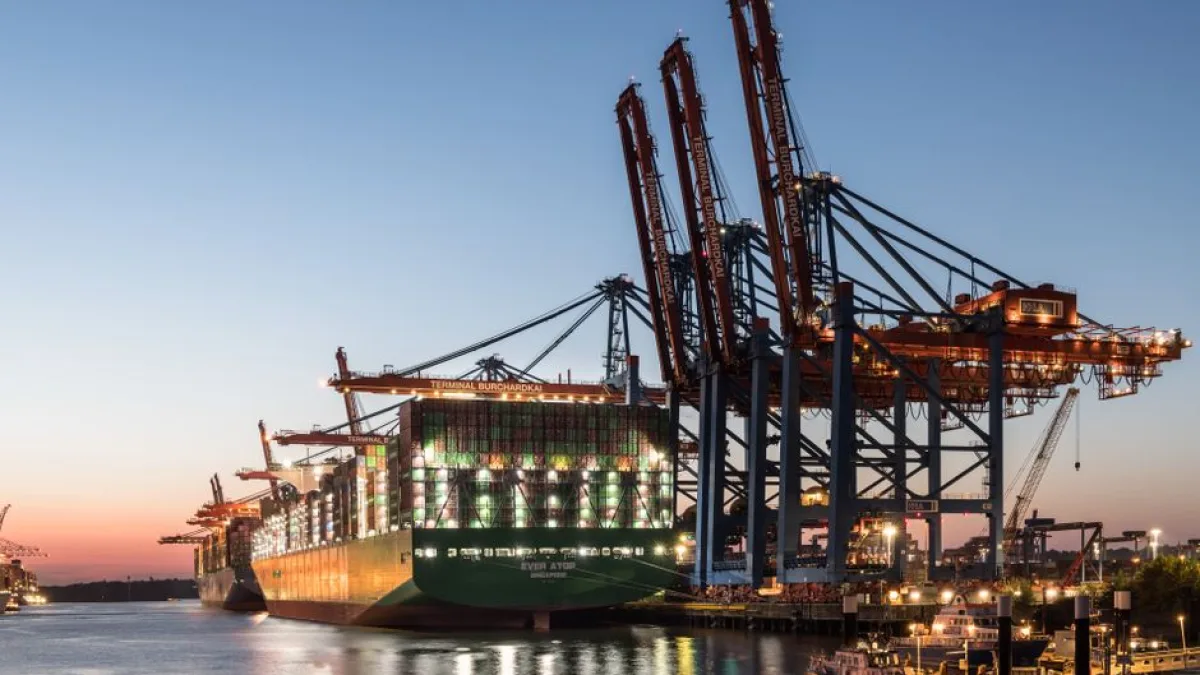
Mastering shipment tracking through advanced software is essential for long term success in the logistics industry. By embracing automation, integration, and data analytics, your firm can provide the transparency that modern clients demand. Start optimizing your tracking workflows today to streamline operations and elevate your customer experience. Reach out to the MakeCargo team to learn how our platform simplifies your global freight management.