Mastering Global Logistics with Advanced Real-Time Cargo Tracking
Wednesday, October 7 2026
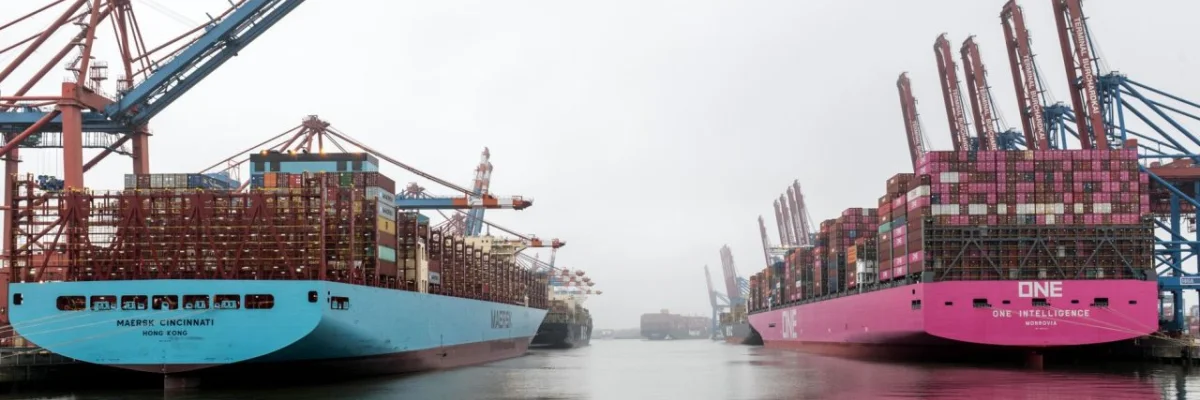
In the modern era of international trade, the ability to monitor freight movement with precision is the defining factor of a successful freight forwarder. As global supply chains face unprecedented volatility, reliance on manual updates is no longer sufficient to maintain operational excellence. Shipping and tracking technologies have evolved into sophisticated digital ecosystems that empower logistics professionals to anticipate delays and communicate proactively with stakeholders. By integrating cloud-based visibility tools, forwarders can transform raw data into actionable insights, ensuring that every shipment reaches its destination while optimizing transit times, reducing overhead costs, and significantly enhancing overall customer satisfaction levels.
The Evolution of Visibility
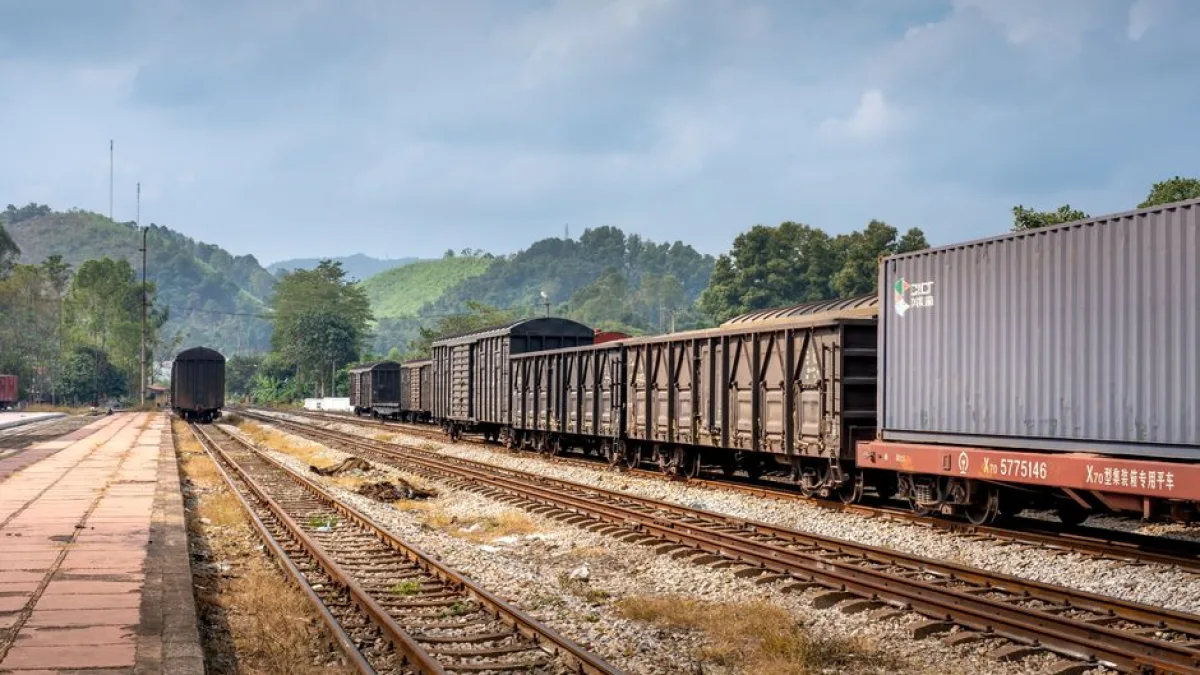
Digital visibility has evolved from simple milestone updates to complex, data-driven streams that provide deep insights into container movement across oceans. Modern platforms now offer granular details that allow teams to react instantly to unexpected disruptions at busy transit terminals.
- Real-time vessel tracking: Satellite technology enables freight forwarders to monitor vessel positions across the high seas, providing accurate ETA updates that help in planning landside operations and downstream cargo distribution.
- Automated milestone updates: Reducing the need for manual data entry, automated systems trigger notifications when shipments hit specific checkpoints, keeping all stakeholders informed without requiring constant human intervention or management.
- Terminal throughput metrics: Analyzing data from port terminals allows professionals to anticipate congestion or labor shortages, enabling faster decision-making when selecting alternative routes to avoid costly delays in transit.
- Unified platform integration: Centralizing data from various carriers into one dashboard simplifies workflow management, allowing logistics teams to maintain complete control over shipments regardless of which shipping lines are used.
- Proactive anomaly alerts: Smart systems identify deviations from planned routes or schedules, providing early warnings that allow teams to mitigate risks before they impact the final delivery deadlines for clients.
As these technologies continue to mature, the gap between forward-thinking companies and traditional providers will widen significantly. By adopting advanced tracking software, businesses gain a competitive edge through improved communication and operational agility. Maintaining high transparency levels is no longer a luxury but a fundamental requirement for building trust with international clients who demand precise information regarding their high-value cargo movements every day.
Optimizing Landside Connectivity
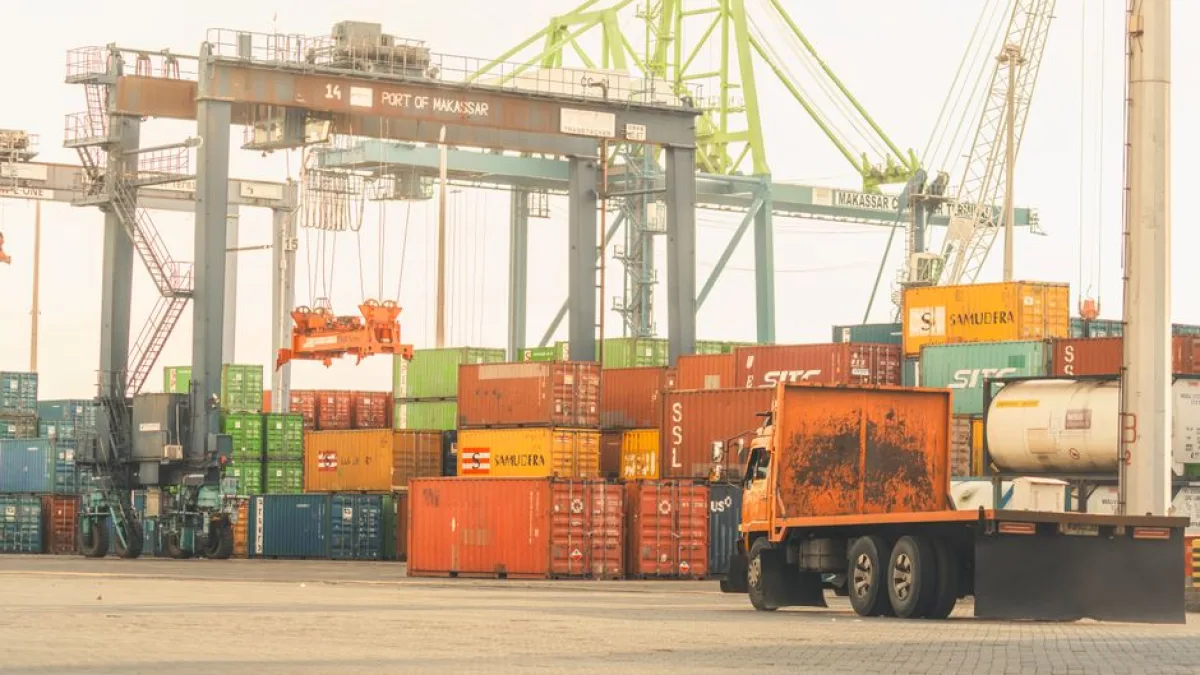
While ocean transit is critical, the landside portion of the logistics chain is where most delays occur. Coordinating inland transport requires seamless integration between shipping data and local dispatch teams to ensure a smooth transition from port to warehouse.
- Seamless digital handshakes: Electronic data interchange allows for instant communication between port authorities and trucking companies, ensuring that containers are cleared and collected without wasting valuable time on manual paperwork.
- Efficient dispatch scheduling: Software tools analyze live tracking data to optimize driver assignments, ensuring that vehicles arrive at the correct terminal exactly when cargo is ready for pick-up by staff.
- Warehouse capacity planning: Real-time information on incoming shipments allows facility managers to allocate storage space effectively, preventing bottlenecks during peak seasons when container volumes are at their absolute highest levels.
- Automated gate processes: Integrating tracking with gate management systems reduces dwell time for drivers, speeding up the overall flow of goods through terminals and onto final destinations for customers.
- Exception handling workflows: When landside logistics hit unexpected hurdles, automated alerts help dispatchers adjust schedules in real time, preventing cascading delays that would otherwise impact multiple downstream shipments and supply chains.
Precision at the landside stage relies on the effective synchronization of multiple moving parts within a localized logistics environment. By leveraging the right software, freight forwarders can eliminate the chaos of manual coordination and focus on high-level strategy. This transition from reactive to proactive management ensures that landside bottlenecks do not compromise the integrity of the entire global transport process for shippers.
Enhancing Customer Transparency

Providing clients with high-quality tracking information is the cornerstone of building long-term partnerships. When forwarders share live data, they demonstrate transparency and reliability, which are essential attributes for any business looking to survive in the competitive shipping industry.
- White label portals: Customized tracking dashboards allow clients to view their own shipment statuses under your brand, fostering professionalism and reinforcing your company identity with every single interaction throughout shipping.
- Automated status notifications: Keeping clients informed via email or SMS updates removes the need for them to contact your office, freeing up staff time to focus on complex logistical challenges.
- Historical data access: Providing clients with access to archived shipment records helps them analyze their own supply chain performance, adding significant value beyond the basic movement of physical cargo items.
- Self-service enquiry tools: Empowering users to track their own goods on demand increases satisfaction and reduces the volume of repetitive queries directed at customer service teams during busy periods.
- Interactive shipment maps: Visual aids allow customers to see where their cargo is located on a global map, providing a tangible sense of security and clarity for every single journey.
Exceptional customer service is defined by how effectively you communicate during unforeseen disruptions or common transit delays. When information is easily accessible, clients feel empowered and respected throughout the entire shipping process. Using modern technology to provide this level of visibility not only saves time but also builds a strong reputation for reliability, making your firm the preferred choice for sophisticated global shippers.
Future Trends in Tracking

The future of shipping tracking is moving toward predictive analytics and artificial intelligence. These advancements will soon allow freight forwarders to anticipate problems before they occur, effectively shifting the industry from a reactive state to a completely predictive one.
- Predictive delay modeling: Artificial intelligence analyzes historical weather and port data to predict potential delays, allowing companies to reroute shipments well before a traditional service disruption actually hits the network.
- Blockchain for security: Using distributed ledger technology ensures that shipping documents and tracking data are immutable, increasing security and trust between all parties involved in complex international trade transactions.
- IoT sensor integration: Internet of Things devices provide real-time temperature, humidity, and shock data, ensuring that sensitive cargo arrives in perfect condition by alerting handlers to any environmental changes.
- AI-driven route optimization: Machine learning algorithms identify the most efficient paths for cargo, accounting for fuel costs, carrier performance, and environmental impact to suggest better routes for every new shipment.
- Autonomous vehicle synchronization: Integrating tracking software with emerging autonomous transport systems will streamline the final mile, reducing human error and increasing the speed of delivery in dense urban logistics centers.
These emerging technologies represent the next frontier for the logistics industry and those who lead it. By investing in these innovations today, freight forwarders position themselves at the forefront of digital transformation. Staying ahead of these trends will define who succeeds in the long term, ensuring that operations remain lean, accurate, and ready for the challenges of tomorrow in a connected world.
Conclusion
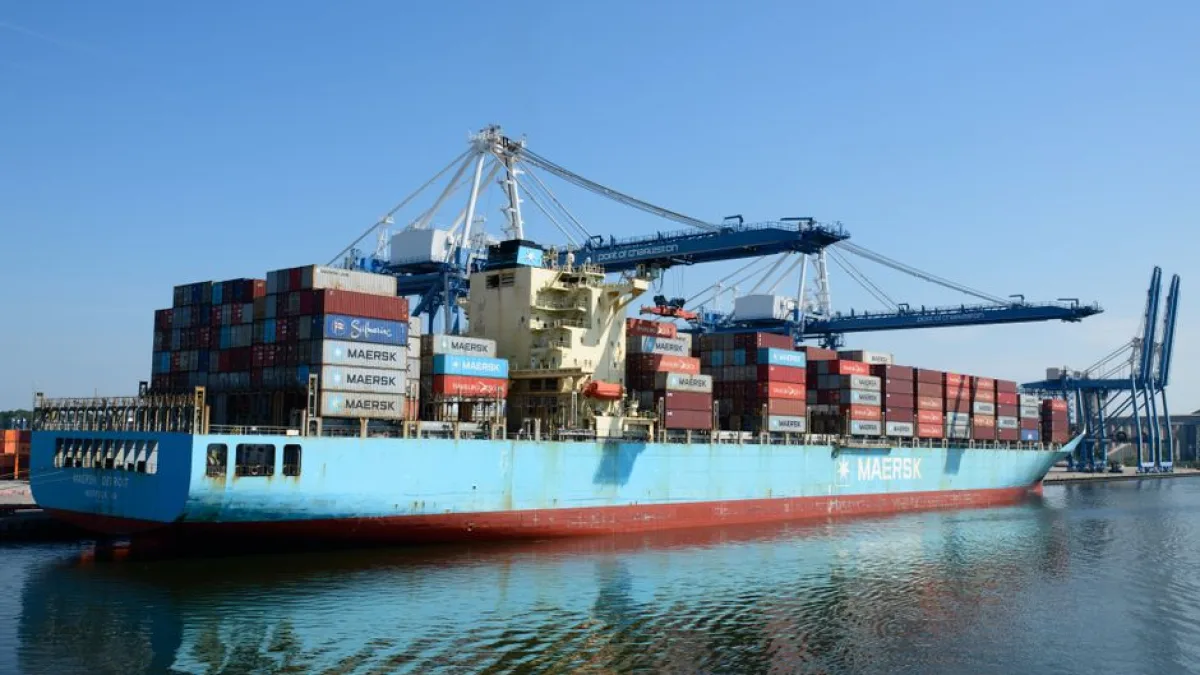
Mastering global logistics requires the right blend of modern technology and proactive management strategies. By implementing advanced tracking tools, forwarders can enhance visibility, streamline landside operations, and significantly improve client satisfaction. Embrace these digital solutions to reduce overhead, mitigate potential risks, and secure a competitive advantage in a volatile market. Start your journey toward seamless shipping and tracking today to lead the industry.