Mastering Global Logistics with Advanced Real-Time Cargo Tracking
Friday, October 16 2026
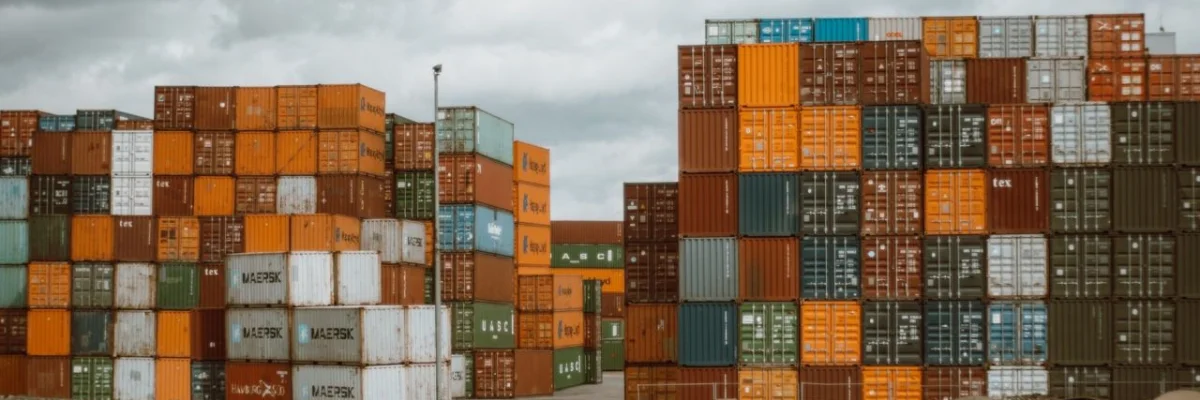
In the modern era of international trade, the ability to monitor freight movement with precision is no longer a luxury but a fundamental necessity for logistics companies. Freight forwarding professionals must navigate volatile supply chains and unpredictable port congestion while ensuring that their clients receive timely updates on shipment status. Cloud-based software platforms are revolutionizing this sector by aggregating complex data points into intuitive dashboards that drive operational efficiency. By leveraging automated visibility tools, businesses can proactively address potential delays, minimize communication overhead, and foster stronger relationships with global partners through unparalleled transparency and consistent delivery performance across every single shipping lane.
The Evolution of Visibility

Modern digital platforms have replaced outdated manual tracking methods with live data streams. This shift allows teams to observe cargo movement across multiple transit points instantly, reducing the reliance on phone calls and emails to verify location and status details for stakeholders.
- Automated status updates: Real-time notifications ensure that teams receive instant alerts regarding shipment milestones, which helps in preemptively identifying potential bottlenecks before they escalate into costly delays for clients.
- Data synchronization capability: Integrated software solutions sync information across global carrier databases, providing a unified source of truth that eliminates discrepancies and improves accuracy across all internal operational reports.
- Client portal access: Providing customers with secure login credentials allows them to monitor their cargo independently, which significantly reduces the administrative workload on support teams and increases customer satisfaction.
- Predictive delay analytics: Machine learning algorithms analyze historical shipping data to forecast arrival times more accurately, allowing forwarders to manage client expectations during volatile periods of global trade uncertainty.
Adopting sophisticated tracking technology is a strategic move that sets forwarders apart from competitors who still rely on fragmented communication methods. By centralizing visibility, your firm can transform operational workflows, reduce errors, and focus on delivering high-value logistics consulting rather than chasing down manual status updates. This proactive approach leads to greater internal efficiency and a more reliable reputation in the global marketplace.
Enhancing Operational Resilience

Building a resilient supply chain requires the right digital tools to manage unexpected disruptions effectively. By utilizing centralized tracking data, teams can pivot quickly when logistical challenges occur, ensuring that shipments remain on track despite sudden external changes in global operations.
- Dynamic route optimization: Advanced software tools suggest alternative transit routes based on real-time port activity, ensuring that cargo avoids congested zones and continues to move toward its destination without unnecessary stops.
- Customized alert triggers: Setting personalized notifications allows logistics managers to monitor specific cargo types or high-priority shipments, ensuring immediate action is taken if a deviation from the schedule occurs.
- Exception management tools: Dedicated modules within your software help isolate and resolve shipment issues, providing a structured workflow for investigating and fixing discrepancies in documentation or transit schedules.
- Carrier performance scoring: Tracking metrics such as transit time reliability helps companies evaluate which carriers provide the best service, enabling smarter vendor selection for future supply chain contract negotiations.
Developing operational resilience is about having the information you need at the exact moment a problem surfaces. Instead of reacting to crises, your team can use predictive data to steer clear of trouble. This stability provides immense value to your clients, who depend on your ability to deliver their goods reliably despite the many uncertainties present in today's global freight environment.
Streamlining Communication Workflows
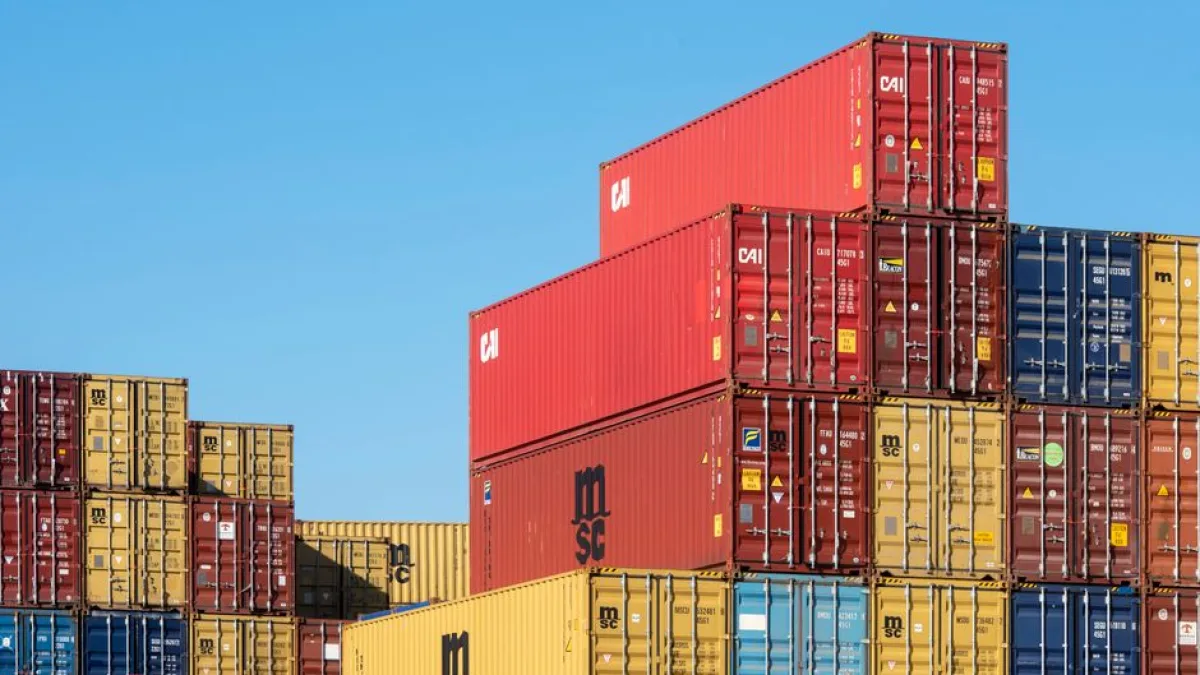
Effective communication serves as the backbone of successful logistics operations, bridging the gap between carriers, agents, and clients. By integrating communication tools directly into tracking software, forwarders can ensure that every party is aligned on shipment details and current project status.
- Integrated messaging channels: Sending internal notes linked directly to specific shipment files prevents information silos and ensures that everyone on the team sees the same history of communication.
- Document sharing efficiency: Digital storage features allow for the instant transfer of customs declarations and shipping manifests, ensuring that paperwork moves at the same speed as the physical cargo.
- Automated email notifications: Configuring automated reports for stakeholders keeps all parties informed without requiring manual intervention, freeing up your staff to handle more complex supply chain strategy tasks.
- Collaborative dashboard views: Shared visibility dashboards allow remote teams to coordinate efforts seamlessly, maintaining high levels of productivity regardless of their physical location or the time zone involved.
Optimizing these workflows reduces the frustration associated with fragmented communication and long email chains. When all information is centralized, misunderstandings are rare, and professional accountability is significantly higher. This systematic approach to information management not only makes daily tasks easier but also projects an image of professional competence that helps your firm win more business and retain loyal, long-term shipping clients.
Securing Future Logistics Success
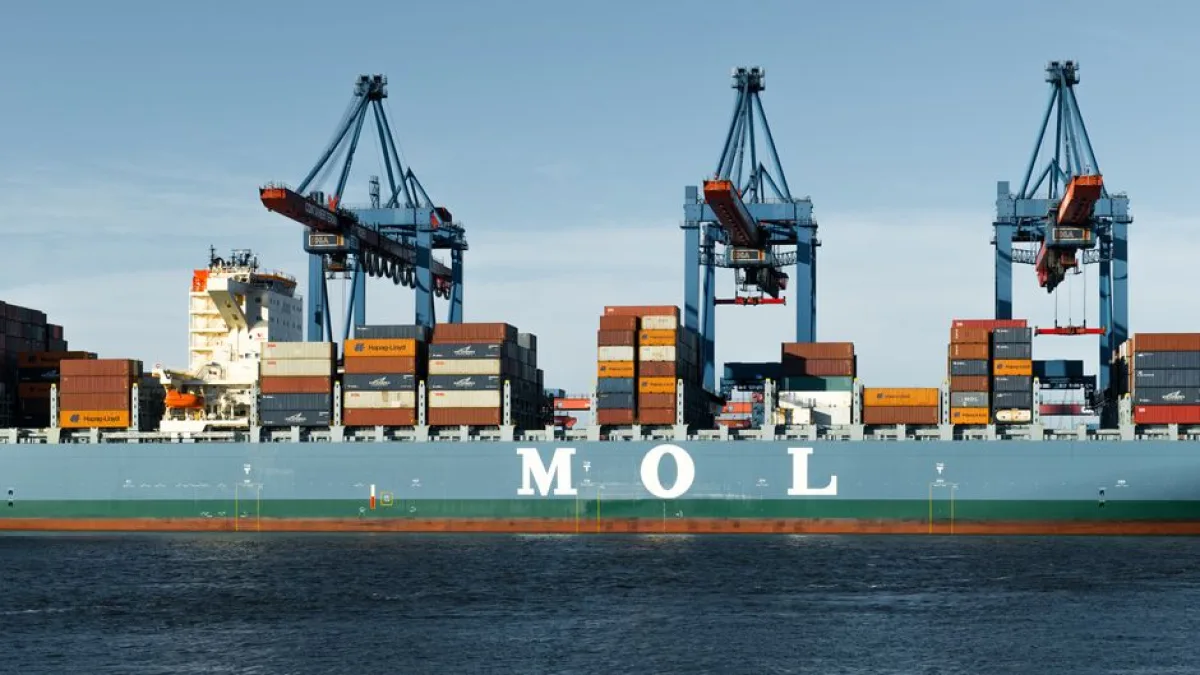
The future of logistics is rooted in the continuous adoption of scalable cloud technology. Investing in flexible platforms today ensures your team is equipped to handle future growth and the increasing complexity of international trade requirements while maintaining high-quality service standards.
- Scalable cloud infrastructure: As your logistics business grows, cloud platforms provide the flexibility to add new users and data capacity without the need for expensive hardware or complicated setups.
- Advanced security protocols: Protecting sensitive shipment data with encryption and multi-factor authentication is essential for maintaining client trust and complying with international data protection and privacy regulations.
- Interoperability with partners: Modern platforms offer open APIs that connect easily with warehouse management and accounting software, creating a fully integrated ecosystem for your entire logistical operations department.
- Continuous feature innovation: Cloud developers frequently release updates that include the latest security enhancements and industry-standard tracking tools, ensuring that your firm always has access to modern technology.
Focusing on long-term technological stability is the key to remaining competitive in an ever-evolving industry. By prioritizing a robust digital foundation, your company gains the ability to adapt to new market demands without disruption. The result is a future-proof business model that consistently delivers excellence, attracts new clients, and provides the strategic insight needed to navigate the complexities of global freight shipping.
Conclusion

Mastering real-time cargo tracking and operational transparency is essential for modern freight forwarders aiming to excel in a crowded market. By leveraging cloud-based platforms to automate updates, streamline communication, and build resilience, you provide your clients with the reliability they demand. Investing in these digital tools ensures your logistics operations remain efficient, scalable, and prepared for any challenges that global trade presents in the future.