Mastering Global Logistics with Advanced Real-Time Cargo Tracking
Saturday, October 24 2026

In the modern era of international trade, the ability to monitor freight movement with precision is the defining factor of success for freight forwarders. Clients now demand absolute transparency, expecting instant updates on their shipments as they traverse complex global routes. Achieving this level of visibility requires more than just manual updates; it necessitates robust cloud-based software solutions that integrate data from carriers, ports, and ground transport networks. By leveraging real-time tracking, forwarders can proactively manage exceptions, improve communication with stakeholders, and ultimately build long-term trust in an increasingly volatile and fast-paced global shipping market.
The Evolution of Visibility
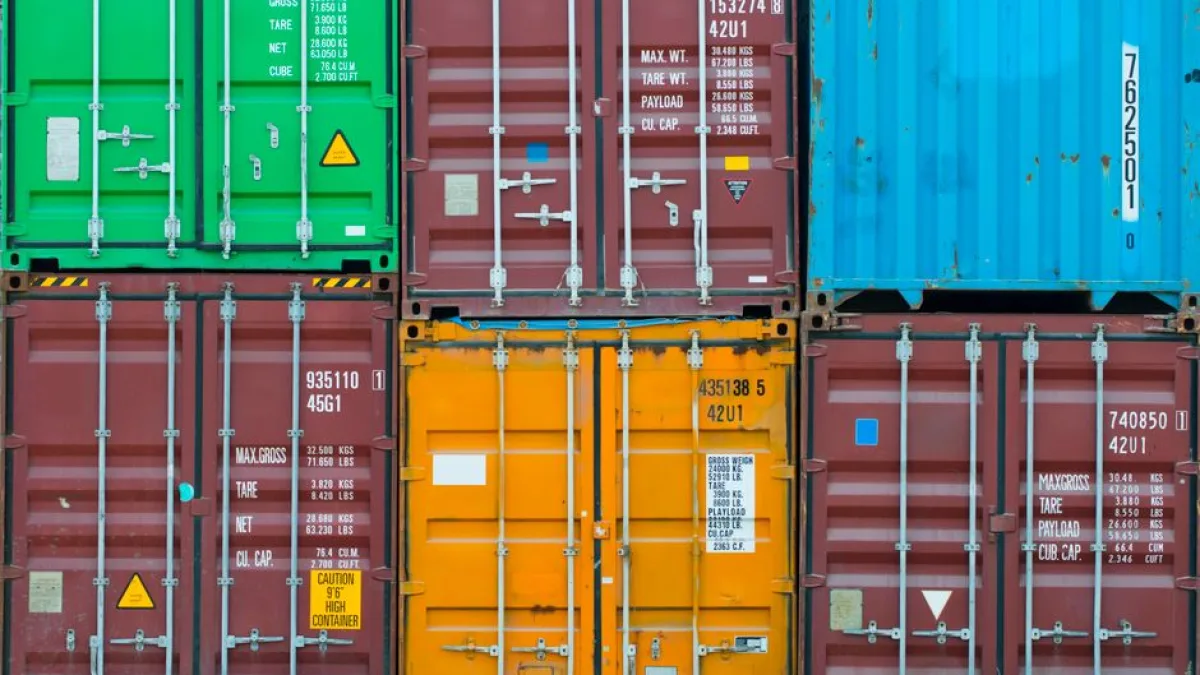
Modern digital platforms have transformed how cargo visibility is managed across the ocean. By integrating automated data streams, these systems provide a continuous flow of information, allowing logistics professionals to monitor shipments without the need for constant manual inquiries or status checks.
- Automated status updates: Cloud software captures real-time carrier data automatically to ensure that every shipment status change is recorded and displayed for both the forwarder and their end clients.
- Centralized data hub: Having a single source of truth prevents the common errors associated with scattered emails or disconnected spreadsheets, ensuring accuracy across all phases of your freight operations.
- Proactive exception management: Advanced tracking systems alert staff to potential delays before they escalate into major problems, allowing for swift intervention and alternative routing strategies to protect cargo flow.
- Enhanced client communication: Providing customers with a branded portal for self-service tracking significantly reduces repetitive inquiry volume while increasing overall satisfaction and perceived value of your logistical services.
Adopting centralized visibility platforms is no longer optional for firms aiming to stay competitive. These tools reduce administrative burdens by eliminating the need to cross-reference multiple carrier websites throughout the day. By automating the flow of information, your team can focus on higher value tasks, such as managing complex customer relationships and expanding business operations into new and challenging international trade lanes.
Integrating Carrier Data Effectively
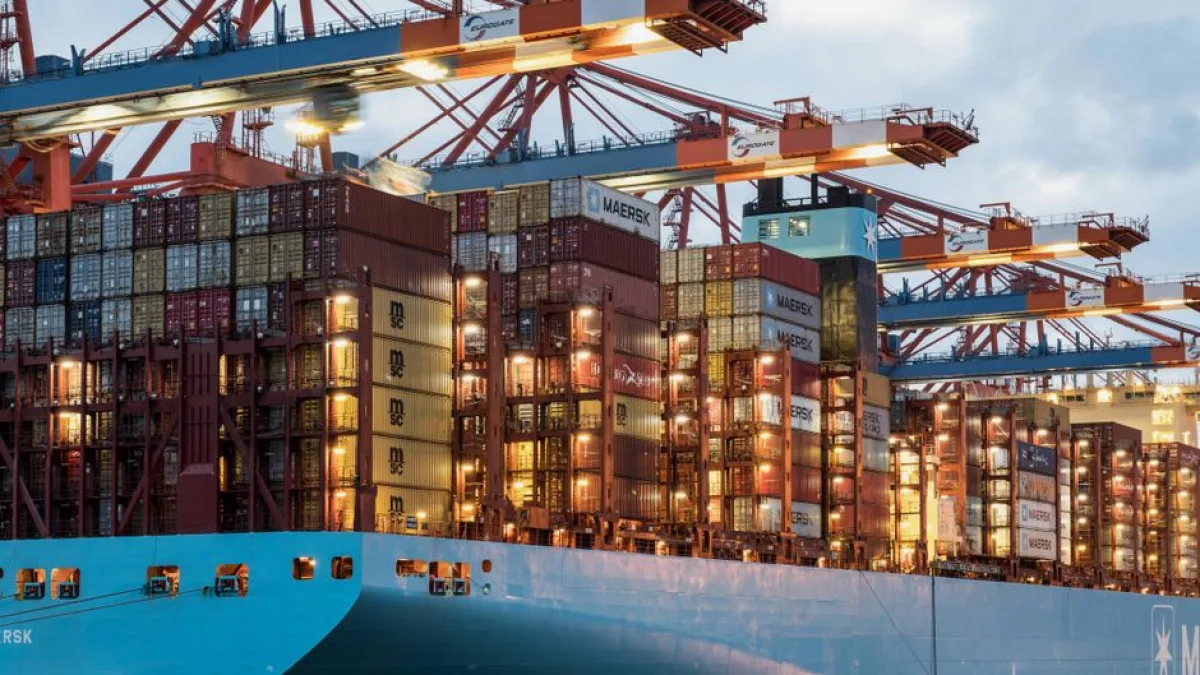
Connecting diverse data sources from various ocean carriers is essential for a unified shipping view. Effective integration strategies allow for seamless information exchange, ensuring that every leg of a journey is documented accurately within your proprietary freight forwarding software platform.
- API connectivity benefits: Using secure APIs to link with global carriers ensures that information flows directly into your system, providing reliable data without any human intervention or transcription errors.
- Standardized tracking formats: Normalizing inconsistent data from different providers allows your system to interpret status updates uniformly, which is crucial for maintaining clear internal and external reports.
- Real-time location mapping: Integrating visual mapping tools provides stakeholders with a clear geographic view of their shipment, adding a layer of transparency that traditional text updates simply cannot offer.
- Carrier performance metrics: Monitoring historical data from integrated carriers helps you identify the most reliable shipping partners, enabling better decision-making for future logistics and freight procurement strategies.
Consolidating disparate data streams creates a seamless workflow that benefits both your internal teams and your external shipping partners. As you streamline the intake of carrier information, the speed of your operational response times will naturally increase. This foundational efficiency acts as a catalyst for growth, allowing your brokerage or forwarding firm to handle higher volumes of freight with greater confidence.
Optimizing Shipment Response Times
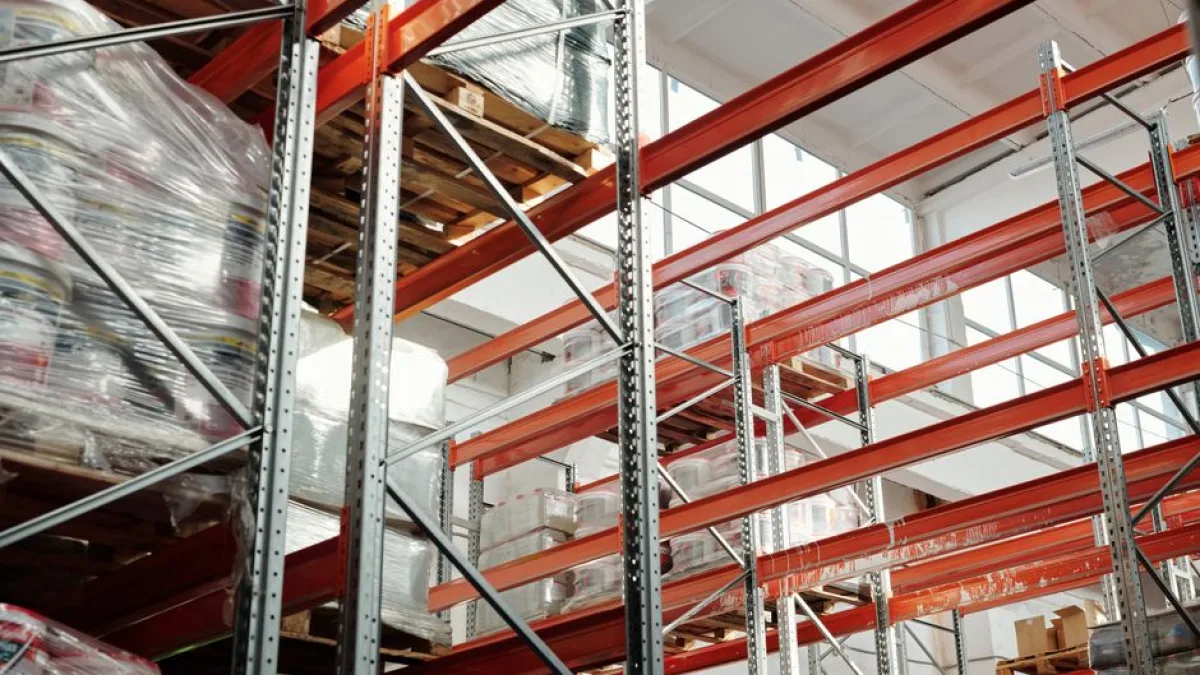
Rapid response to shipping disruptions is a key differentiator in the logistics sector. When tracking data indicates a deviation from the expected schedule, immediate action is required to minimize the impact on delivery dates and overall supply chain costs.
- Automated alert triggers: Custom notifications can be set up to trigger when specific milestones are missed, ensuring that your team addresses minor issues before they become expensive problems.
- Rapid resource allocation: With immediate visibility into shipment locations, you can quickly reallocate resources or pivot to alternative transport modes when sudden disruptions occur in the logistics chain.
- Collaborative problem solving: Digital platforms allow your staff to share critical tracking updates with partners instantly, fostering a collaborative environment that prioritizes quick resolution of shipping delays.
- Customer trust retention: Sharing accurate, timely information during delays demonstrates high professionalism, proving to your clients that you remain in control even when facing unforeseen logistical challenges.
Timely intervention is the cornerstone of exceptional freight service. By prioritizing data-driven responses, you turn potential crises into demonstrations of reliability and operational expertise. This proactive approach strengthens your market reputation, as clients recognize the value of having a partner who manages risks transparently. Consistently meeting deadlines through rapid adjustment is the most reliable way to secure repeat business in this industry.
Future Trends in Cargo Tracking

Technological advancements in artificial intelligence and internet of things devices are set to redefine how freight is tracked. These emerging tools promise even greater granularity in shipment reporting, potentially changing the nature of freight forwarding over the next decade.
- Predictive arrival modeling: Machine learning algorithms analyze historical shipping data to provide highly accurate delivery estimates, helping your clients plan their inventory management with much higher levels of confidence.
- IOT device integration: Connecting container sensors to your software allows for monitoring of temperature, humidity, and shock, which is critical for transporting sensitive or high-value goods across borders.
- Blockchain for security: Implementing secure ledger technology ensures that shipping documentation remains tamper-proof, providing an extra layer of trust for complex, multi-party international logistics and customs transactions.
- Cloud scalability advantages: Choosing a flexible, cloud-based platform ensures that your tracking capabilities grow alongside your business, allowing you to easily add new features as technology continues to evolve.
Remaining at the forefront of tracking technology requires a commitment to continuous platform improvement. By investing in scalable, innovative solutions, you prepare your firm to navigate the complex challenges of tomorrow. Embracing these trends ensures that your services remain relevant, efficient, and highly sought after by global shippers, ultimately positioning your organization as a forward-thinking leader within the competitive international freight forwarding sector.
Conclusion

Mastering cargo tracking is a critical milestone for any professional freight forwarder aiming to succeed in the digital age. By adopting cloud-based software, integrating carrier data, and staying updated with emerging technologies, you can significantly enhance your operational efficiency. These improvements not only drive better results for your clients but also provide the scalability needed for long-term growth and sustained excellence in global logistics.