Mastering Global Logistics with Advanced Real-Time Cargo Tracking
Wednesday, October 28 2026

Modern supply chains demand unprecedented levels of visibility to remain competitive in a volatile global market. Freight forwarders are increasingly tasked with providing instantaneous status updates that go beyond basic departure and arrival alerts. As shippers expect high-level transparency from origin to destination, leveraging digital platforms becomes essential for managing complex movements. By integrating automated tracking technologies, logistics professionals can proactively address delays, communicate effectively with stakeholders, and optimize the entire transportation process. This shift toward total visibility not only builds trust with clients but also significantly improves operational efficiency, ensuring that cargo moves seamlessly through every international transit checkpoint.
The Importance of Real-Time Data
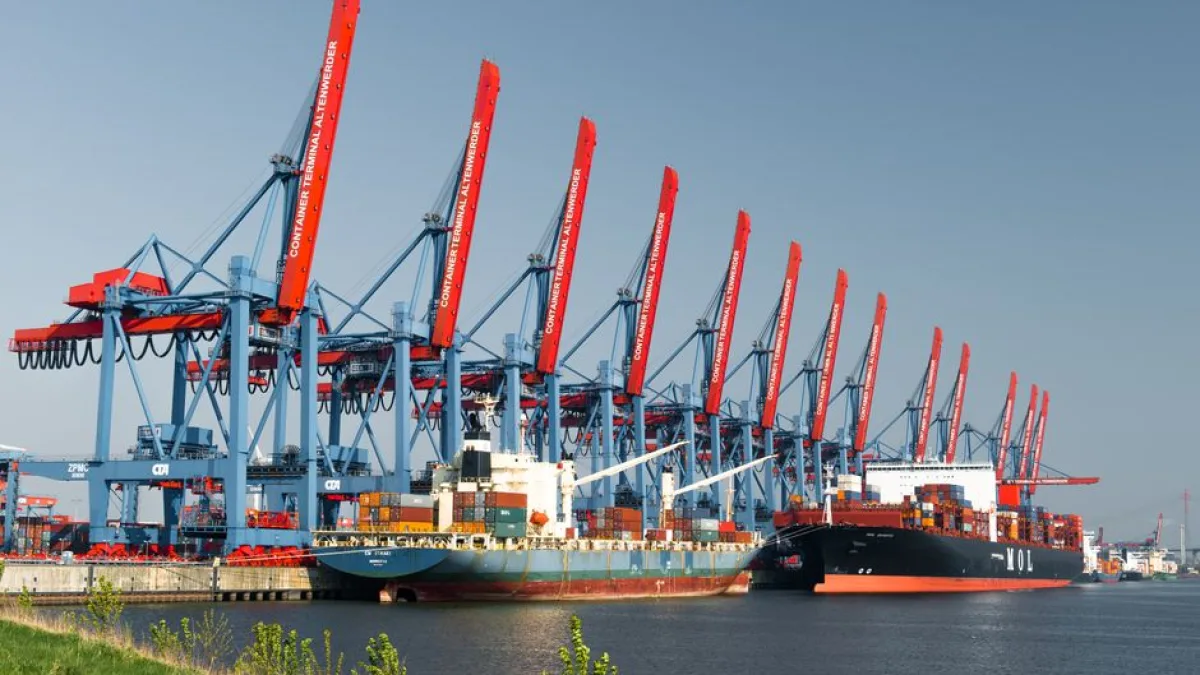
Real-time data serves as the backbone of modern freight forwarding, allowing companies to monitor cargo movements with pinpoint accuracy. Access to live information enables teams to identify potential bottlenecks before they escalate, providing a strategic advantage in a fast-paced environment.
- Enhanced visibility control: Accessing live telemetry ensures that you always know the exact location of your goods throughout the entire multimodal shipping journey for every client in your portfolio.
- Proactive delay management: Early warnings regarding port congestion or vessel rerouting allow your team to implement contingency plans immediately, thereby minimizing the impact on your customers supply chain.
- Data driven decisions: Utilizing high-quality analytics helps you understand recurring transit patterns and carrier performance metrics, which facilitates smarter contract negotiations and improved route selection for future shipments.
- Improved partner communication: Transparent data sharing builds stronger relationships with overseas agents and trucking partners, fostering a culture of accountability and precision across the global logistics network involved.
Adopting advanced data tools transforms how forwarders handle day-to-day operations by removing guesswork from the equation. When your team relies on accurate information rather than manual updates, they can focus on high-value tasks that drive business growth. Integrating these digital insights ensures that every shipment is handled with professional care while maintaining a competitive edge in the complex global freight market today.
Automating Shipment Status Updates

Automation removes the burden of manual status reporting by triggering alerts automatically as containers pass specific geographic milestones. This technological integration reduces human error and ensures that all stakeholders receive timely updates without requiring constant manual intervention or email follow-ups.
- Automated email notifications: Configure custom triggers to inform your clients automatically whenever their freight enters a new port or clears customs, reducing the need for constant status inquiries.
- Centralized documentation portal: Store all shipping documents in a single digital location that is accessible to clients and partners, ensuring everyone views the most recent version available.
- Streamlined reporting tools: Generate comprehensive performance reports for your accounts with just a few clicks, saving hours of manual data entry time every single work week.
- Eliminating clerical errors: Digital automation eliminates the risk of mistyping tracking numbers or shipping details, ensuring that the information shared remains accurate for all parties involved throughout transit.
Automation serves as a catalyst for scaling your forwarding business without adding excessive headcount to your operations team. By delegating repetitive tracking tasks to intelligent software, you empower your staff to focus on complex problem solving and client relationship management. This transition to automated workflows ultimately creates a reliable, high-speed logistics environment that meets the high expectations of modern international shippers everywhere.
Mitigating Risks During Global Transit

Managing global transit involves navigating various risks ranging from severe weather events to unexpected port closures. Advanced tracking systems provide the early warnings necessary to safeguard assets and ensure that cargo remains protected during long-haul international ocean or air freight journeys.
- Early warning systems: Identify weather patterns or geopolitical shifts that might threaten your transit schedule, allowing you to bypass high-risk zones before major issues occur during transit.
- Cargo security monitoring: Integrate advanced sensors to track temperature or shock data, ensuring that sensitive or high-value shipments arrive at their destination in perfect, undamaged condition.
- Customs compliance alerts: Receive automated updates on clearance status to ensure that your shipments comply with local regulations and avoid unnecessary hold-ups at busy international border crossings.
- Resource allocation planning: Adjust your storage and transport capacities based on real-time arrival estimates, ensuring that your warehousing teams are ready the moment the cargo arrives.
Navigating the inherent risks of international logistics requires a blend of human intuition and digital insight. When freight forwarders utilize intelligent tracking to anticipate hurdles, they protect their clients and maintain operational integrity. Investing in risk mitigation strategies today builds a robust foundation for success, ensuring your firm remains resilient against any unforeseen global disruptions that might affect the transport industry.
Optimizing Client Experience and Trust

The client experience hinges on the ability to provide clear, consistent, and accurate communication throughout the shipping lifecycle. By offering a transparent tracking portal, freight forwarders distinguish themselves from competitors and foster long-term loyalty with every shipment handled within their logistics platform.
- Custom branded portals: Give your clients a professional tracking experience that showcases your brand identity, enhancing their confidence in your services through a seamless digital user interface.
- Increased service transparency: Provide clients with self-service tools that allow them to check their shipment progress anytime, which significantly reduces the administrative burden on your support staff.
- Value added reporting: Deliver insightful logistics data to your customers, helping them understand their own supply chain costs and performance metrics to drive their own business efficiency.
- Building lasting partnerships: Reliable information exchange creates deep trust with your clients, transforming simple transactional relationships into long-term strategic partnerships that benefit your entire professional freight business.
Providing exceptional service is the ultimate goal for any successful logistics professional. When clients have immediate access to tracking information and feel supported by transparent processes, they are far more likely to choose your firm for future business. Prioritizing the client experience through digital transformation ensures that your forwarding company stands out as a leader in the global shipping and logistics market.
Conclusion
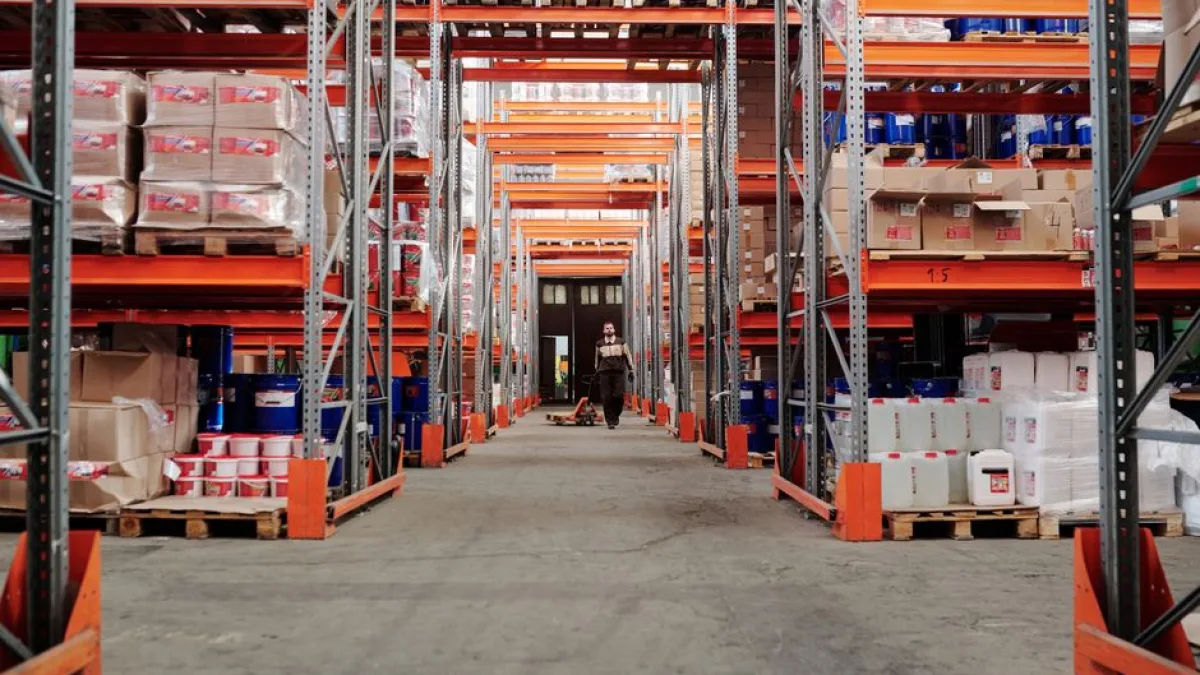
Modernizing your approach to shipping and tracking is essential for success in today's digital freight landscape. By embracing real-time data, automation, and proactive risk management, forwarders can elevate their service standards and foster lasting client trust. Start optimizing your logistics operations with a powerful platform today to ensure your business remains agile, competitive, and ready for the future of global cargo transportation.