Mastering Global Logistics with Advanced Real-Time Tracking
Saturday, July 25 2026
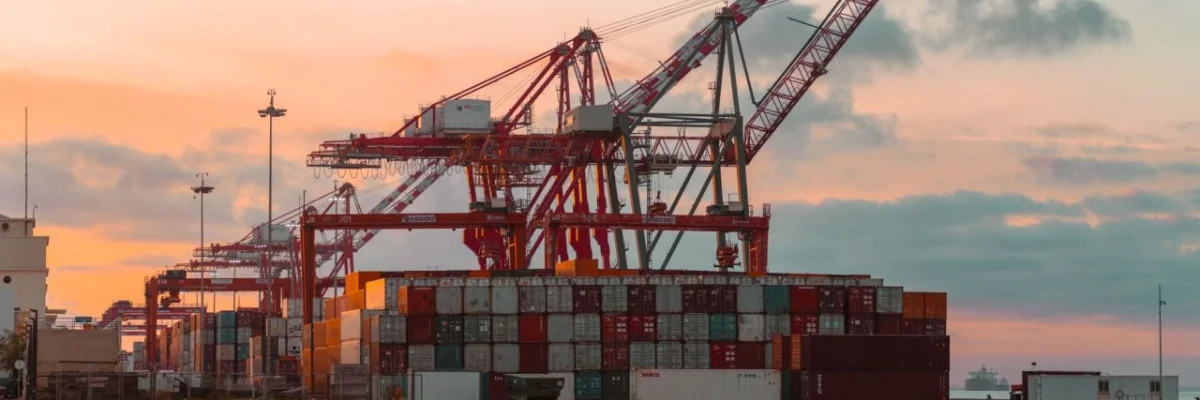
Modern freight forwarding relies heavily on the ability to provide clients with precise, real-time visibility into their supply chains. As global trade becomes increasingly complex, professionals must move beyond legacy tracking methods to stay competitive. By integrating cloud-based platforms like MakeCargo, logistics companies can consolidate fragmented data streams into a single source of truth. This shift not only improves operational transparency but also builds lasting trust with shippers who demand instant updates. Embracing these digital tools is essential for any forwarder aiming to minimize delays, optimize route planning, and deliver superior customer service in an era defined by fast-paced logistical demands.
The Evolution of Visibility
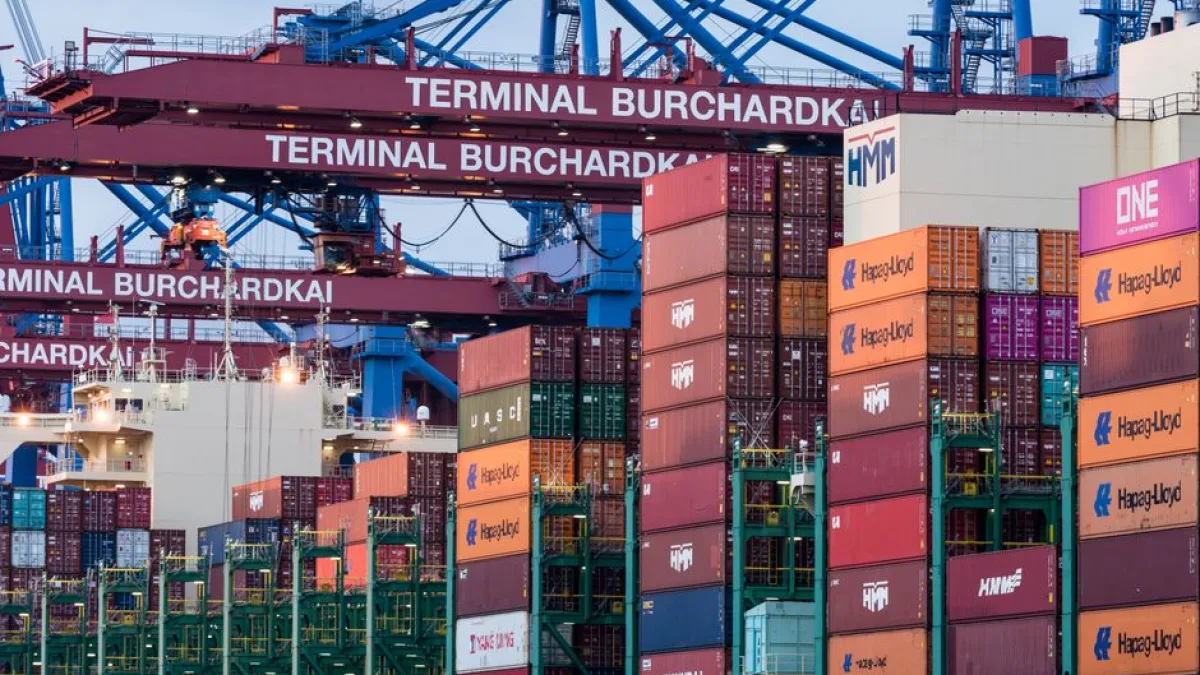
Visibility has transformed from a luxury into a core requirement for successful freight operations. Real-time data collection allows forwarders to proactively manage shipments and anticipate potential bottlenecks before they impact delivery timelines for clients operating in sensitive, time-critical industry sectors.
- Enhanced Data Accuracy: Advanced tracking systems pull information directly from carrier APIs to ensure that every status update reflects the current physical location of goods in transit globally.
- Automated Status Alerts: Proactive notification systems keep both the internal operations team and the end customer informed regarding milestone changes without needing manual intervention from your staff.
- Predictive Milestone Tracking: Machine learning algorithms analyze historical shipping routes to predict future delays, allowing teams to adjust schedules and mitigate risks before significant issues arise.
- Seamless Data Integration: Modern platforms connect directly with global port authorities and regional carrier networks to bridge the communication gaps that often exist in fragmented shipping lanes.
- Simplified Client Dashboards: Offering customers a clear and intuitive portal to view their active shipments reduces administrative overhead and fosters a professional relationship built on total transparency.
Transitioning toward a data-driven model requires a fundamental change in how your organization handles incoming shipment information. When you adopt cloud-based visibility tools, you empower your team to focus on exception management rather than manual tracking tasks. This approach elevates the standard of service your firm provides while simultaneously reducing the time spent fielding status update requests from concerned logistics managers.
Managing Exceptions Proactively

Exception management represents the difference between a minor schedule variance and a major logistics failure. By monitoring specific triggers, forwarders can respond to unexpected events such as port congestion or weather disruptions with rapid, effective, and data-backed logistical solutions.
- Rapid Incident Response: Real-time exception alerts allow operations managers to identify stuck shipments immediately, enabling quick communication with agents on the ground to resolve issues effectively.
- Mitigated Delay Costs: Addressing supply chain disruptions as they happen prevents the accumulation of heavy storage or demurrage charges that can significantly erode your overall project margins.
- Data-Driven Recovery Plans: When a shipment misses its connection, historical tracking data helps your team identify alternative transit routes to get the cargo moving again quickly.
- Automated Conflict Resolution: Intelligent software flags discrepancies between estimated and actual arrival times, ensuring that your team can clarify inconsistencies with carriers long before cargo arrives.
- Improved Carrier Accountability: Tracking performance metrics across different carriers helps your firm identify which partners consistently meet deadlines and which ones frequently cause unforeseen operational delays.
Building a proactive culture within your logistics team starts with the right technological foundation. When your systems flag exceptions automatically, you move away from reactive firefighting and toward strategic planning. This shift allows your staff to dedicate their time to high-value tasks, such as negotiating better carrier contracts or expanding client service offerings, rather than chasing down simple cargo updates.
Optimizing Global Supply Chains
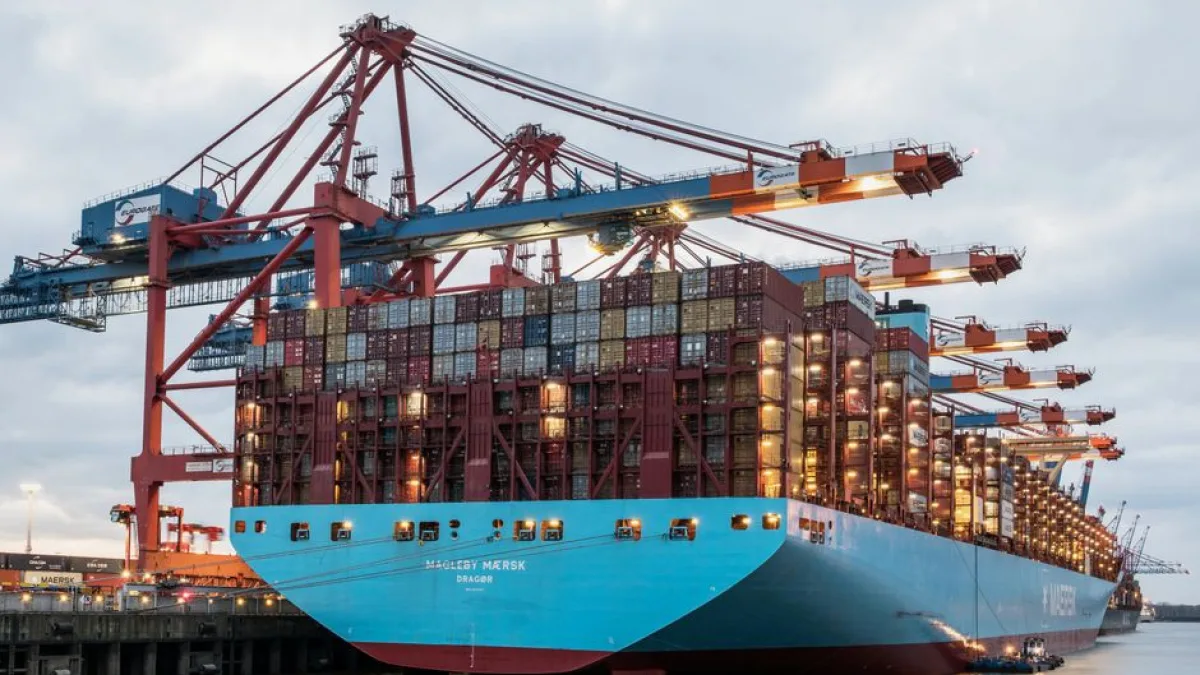
Global supply chain optimization is achieved by leveraging deep insights into transit times and carrier efficiency. By analyzing historical performance, freight forwarders can make smarter decisions about routing, mode selection, and carrier capacity to ensure maximum efficiency for their shippers.
- Route Efficiency Analysis: Reviewing historical transit data allows you to compare different shipping lanes and select the fastest or most cost-effective options for your future cargo.
- Carrier Performance Scoring: Tracking the reliability of individual shipping lines over time provides the objective evidence needed to prioritize high-performing partners in your daily operations.
- Strategic Capacity Planning: Utilizing trend analysis helps your firm anticipate peak season demand, ensuring you secure necessary space in advance to avoid last-minute market rate surges.
- Cost Reduction Strategies: Identifying recurring bottlenecks through granular data analysis allows your team to suggest operational changes that save your clients money and reduce transit times.
- Global Network Synergy: Aligning your domestic and international logistics segments through a unified digital platform ensures that handoffs between transport modes remain smooth and highly efficient.
Optimization is an ongoing process that requires constant attention to detail and a commitment to refining your operational workflows. As you collect more data through your cloud-based platform, the potential for identifying cost savings and time efficiencies grows exponentially. This long-term focus on continuous improvement is what sets industry leaders apart from traditional forwarders in a crowded, high-stakes global marketplace.
Enhancing Customer Trust

Client satisfaction is the ultimate measure of success for any freight forwarding firm today. Providing your shippers with reliable, accurate, and timely information about their goods builds strong partnerships that can span many years and lead to valuable repeat business opportunities.
- Real-Time Shipment Access: Granting your clients secure portal access to their live tracking data eliminates the need for constant phone calls and manual email status updates.
- Professional Brand Consistency: Customizable tracking portals that feature your own company branding reinforce your reputation as a modern, technology-focused logistics partner in the eyes of shippers.
- Transparent Communication Flow: Establishing a history of clear, honest updates during both smooth and difficult shipments proves your reliability and encourages deep trust from high-value customers.
- Customized Reporting Tools: Offering clients the ability to export their own shipment performance reports demonstrates your commitment to their success and business growth strategies over time.
- High-Value Engagement Levels: Proactive communication regarding shipment status keeps clients feeling in control of their cargo, which significantly improves the likelihood of long-term contract renewal discussions.
Investment in customer experience technologies serves as a powerful differentiator for your freight forwarding business. When you provide your clients with the tools they need to track, analyze, and manage their shipments independently, you free up your team to focus on personalized account management. This strategic balance of automated information and human expertise is the key to maintaining a successful logistics firm.
Conclusion

Advancing your logistics operations starts with selecting the right technology to drive visibility and efficiency. By embracing cloud-based tracking, you empower your team to deliver superior service, optimize complex global supply chains, and build lasting client relationships. Start exploring how digital transformation can revolutionize your freight forwarding business today to stay ahead of the competition and thrive in a dynamic, global trade environment.