Mastering Global Logistics with Advanced Real-Time Tracking
Monday, October 26 2026
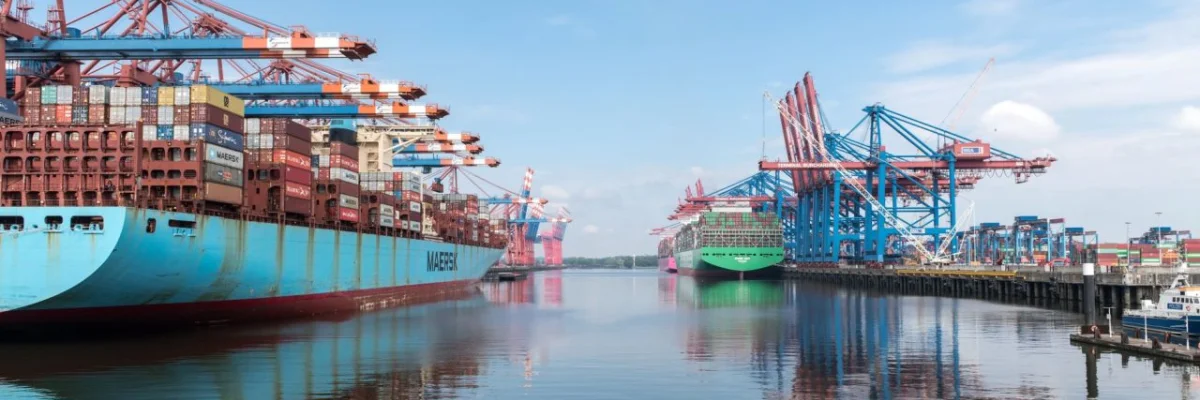
Modern freight forwarding requires precision and speed to maintain a competitive edge in a crowded global market. As supply chain complexities grow, the ability to provide clients with granular visibility into their shipments becomes not just a value-added service, but a baseline expectation for operational survival. Freight professionals must navigate volatile weather patterns, port congestion, and fluctuating carrier schedules with confidence. By leveraging sophisticated cloud-based technology, forwarders can transform raw tracking data into actionable insights, ensuring that every stakeholder remains informed while minimizing the impact of potential delays across international transit routes and multi-modal logistics networks.
Optimizing Shipment Visibility
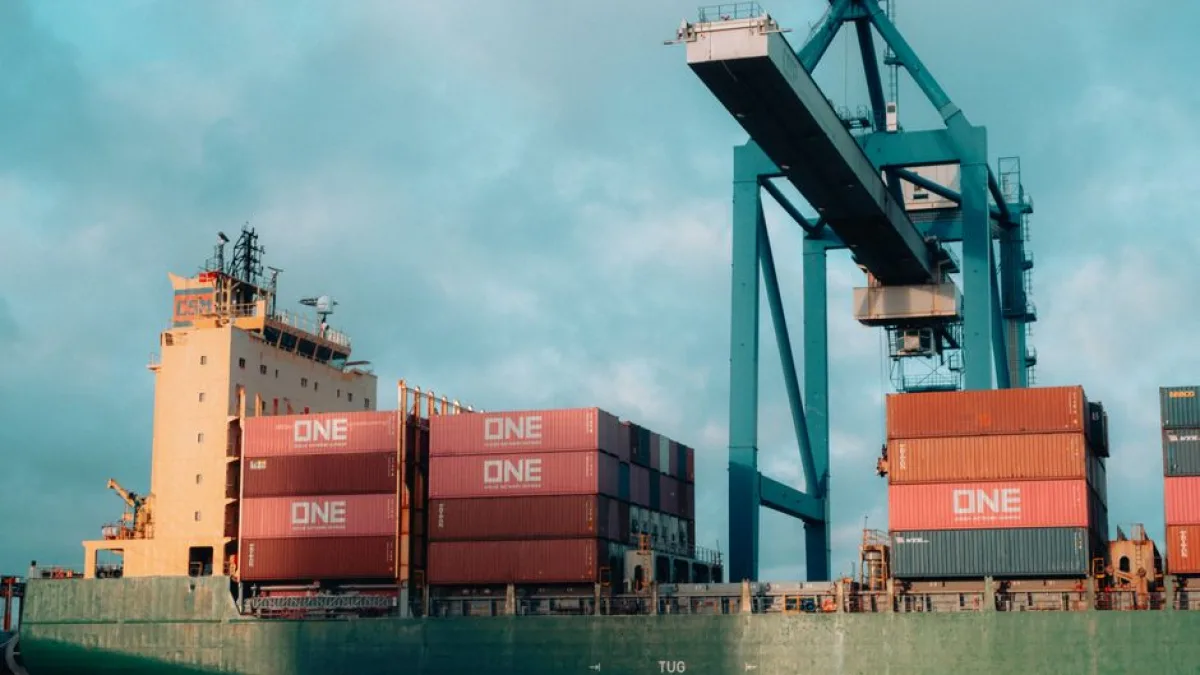
Modern port operations demand high levels of transparency to ensure that containers move efficiently from ship to shore without unnecessary delays. Real-time digital monitoring allows teams to identify bottlenecks before they impact delivery timelines for your valued shipping customers.
- Automated status updates: Cloud systems automatically ingest carrier data to provide instant status changes for all active shipments, eliminating the need for manual checks by your hardworking logistics coordinators.
- Reduced manual work: By automating routine tracking tasks, your staff can focus on high-value client communications and resolving complex exceptions rather than manually updating various carrier web portals.
- Centralized data dashboards: Unified viewing platforms allow managers to see every shipment status in one place, providing a clear overview of the global pipeline for improved decision making.
- Proactive delay management: Early detection of vessel arrivals or departures allows teams to alert warehouse staff or trucking partners, ensuring that ground resources are ready on time.
Transforming your operational workflow starts with ditching legacy manual tracking methods for cloud-integrated solutions. By reducing time spent on administrative data entry, your forwarders gain more hours to focus on growth and exceptional client service. Modern technology enables your team to anticipate potential issues before they escalate, providing a seamless flow of information that builds long-term trust and strengthens your professional reputation.
Leveraging Predictive Analytics

Data driven insights provide the foresight needed to navigate uncertain supply chains. Utilizing historical performance metrics allows you to predict transit times with accuracy, helping your clients plan their inventory management strategies more effectively during peak shipping seasons.
- Transit time forecasting: Sophisticated algorithms analyze historical carrier data to provide more accurate estimated arrival times, helping clients reduce safety stock and optimize their internal warehouse resource allocation.
- Carrier performance metrics: Monitoring which shipping lines consistently meet deadlines allows your team to make better informed routing decisions, ultimately saving costs and improving your overall service reliability.
- Exception trend analysis: By tracking common delay patterns, your logistics team can adjust standard transit buffers, ensuring that your quoting and booking processes remain realistic and highly professional.
- Customized client reporting: Generate automated performance reports that showcase your commitment to reliability, giving your customers the data-backed confidence they need to continue growing their business through you.
Predictive analytics turn raw shipment data into a strategic asset for your freight forwarding business. When you provide clients with precise estimates, you reduce frustration and build credibility in an industry often plagued by ambiguity. Implementing these advanced analytical tools allows your team to move away from reactive firefighting, enabling a proactive approach that keeps your logistics operations smooth, profitable, and resilient against disruptions.
Enhancing Client Communication

Clear communication defines the partnership between forwarder and shipper. Providing your customers with direct access to tracking information empowers them to manage their own supply chain expectations, reducing the volume of status inquiries handled by your busy team.
- Self-service customer portals: Granting clients access to their own tracking dashboards significantly reduces the number of email status requests, allowing your support team to handle complex inquiries.
- Automated email notifications: Configure custom triggers that notify clients of major status changes, ensuring they are always in the loop without requiring manual intervention from your staff.
- Branded tracking experiences: Customize the tracking interface with your company logo and colors, reinforcing your brand identity every time a client checks on their cargo progress today.
- Exception management alerts: Notify clients immediately when an issue arises, demonstrating transparency and control that positions your agency as a professional partner during challenging logistics situations worldwide.
Effective communication strategies help solidify client loyalty in a very competitive marketplace. By giving customers the tools to track shipments independently, you free up your internal resources for more meaningful interactions. This balance of digital empowerment and personal attention ensures your freight forwarding company remains both efficient and client-focused. Reliability remains the most important currency in modern global trade logistics today.
Integrating Multi-Modal Data

Synchronizing information across ocean, air, and road segments ensures total shipment visibility. A truly cloud-based platform bridges the gaps between different transit modes, providing a holistic view of the cargo journey from origin warehouse to the final destination delivery.
- Seamless mode transition: Tracking data flows automatically from international ocean carriers to local drayage providers, ensuring no visibility gaps exist during the critical final mile transit phase.
- Document management integration: Linking essential shipping documents directly to the tracking record ensures that customs brokers and drivers have immediate access to necessary clearance paperwork and manifests.
- Multi-carrier data consolidation: Aggregating diverse tracking formats from multiple global carriers into one standardized feed simplifies how your team interacts with varying logistics software and port systems.
- Unified audit trails: Maintain a complete history of every shipment event, which simplifies internal audits and helps resolve potential disputes regarding delivery times or handling damages quickly.
Unifying multi-modal data is the final step toward full logistics transparency. When all segments of a shipment are visible on one platform, your team can coordinate more effectively and prevent costly errors. This comprehensive approach to tracking simplifies complex supply chains, proving that you have the robust technical capability to handle any cargo, regardless of the complexity of the transit route involved.
Conclusion

Mastering real-time tracking is essential for the modern freight forwarder. By integrating advanced digital tools, you gain control over shipment visibility, improve client communication, and streamline your internal operations for better scalability. Start leveraging these technologies today to differentiate your services from competitors. A proactive approach to cargo tracking ensures you deliver excellence to every client, regardless of global shipping challenges.