Mastering Global Logistics with Advanced Real-Time Tracking
Saturday, October 31 2026
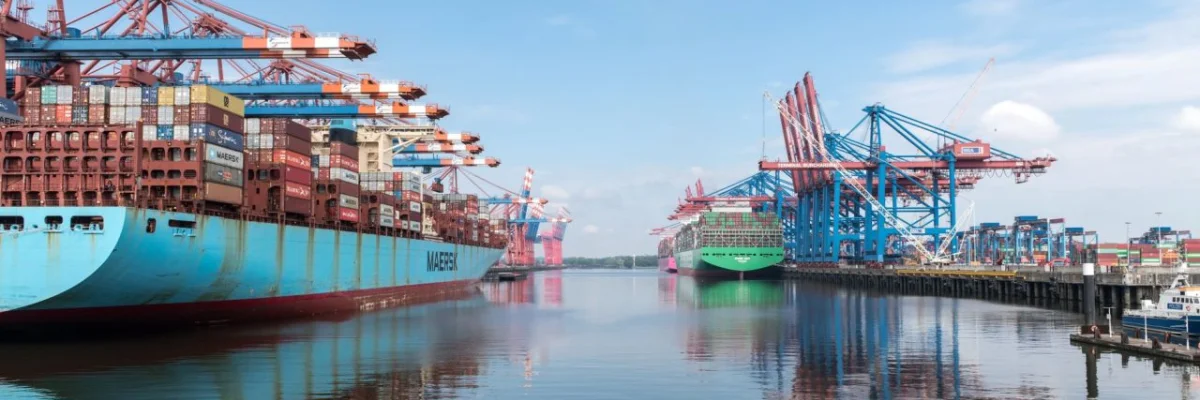
Modern freight forwarding relies on the seamless flow of data across complex global supply chains. As businesses face increasing pressure to provide transparency, digital platforms like MakeCargo have become essential tools for professionals managing ocean and air freight. By integrating advanced tracking systems into daily workflows, forwarders can proactively address delays, communicate effectively with stakeholders, and optimize resource allocation. This shift toward total visibility not only satisfies client demands for precise delivery information but also fosters a culture of operational excellence. Adopting robust cloud-based software ensures that your team stays ahead in a competitive market while maintaining high standards of service.
The Evolution of Visibility
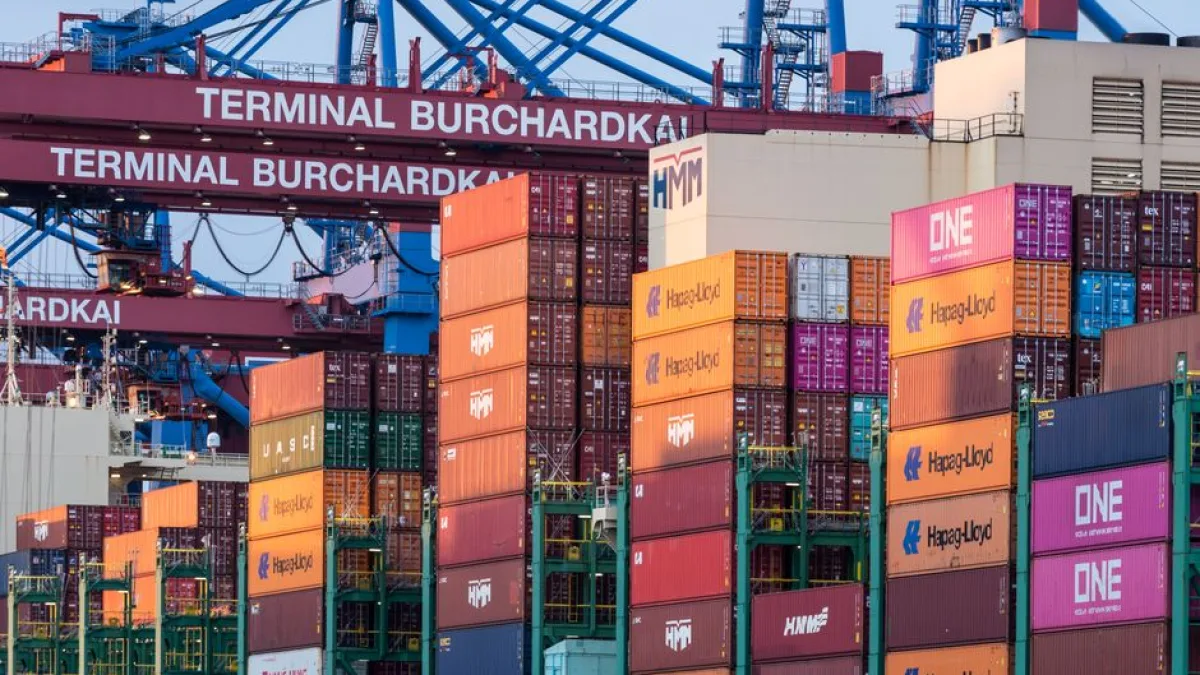
Digital visibility has transformed from a luxury feature into a fundamental expectation within the logistics industry today. Real-time updates allow forwarders to monitor cargo status from origin to final destination, significantly reducing the uncertainty that often plagues international shipping schedules.
- Automated Data Streams: Integrate live carrier feeds directly into your dashboard to receive instantaneous updates regarding container status changes or potential transit delays across major international maritime trade routes today.
- Client Portal Access: Empower your customers by providing them with secure access to their specific shipment milestones which reduces the administrative burden on your internal support team significantly.
- Exception Management Tools: Utilize intelligent software features that flag shipment discrepancies immediately so your staff can resolve logistical issues before they escalate into major problems for your clients.
- Historical Performance Analytics: Analyze long-term tracking data to identify recurring bottlenecks in your supply chain processes while improving your overall decision-making accuracy for future high-volume shipping projects successfully.
Forwarders who embrace these automated systems gain a substantial edge over competitors still relying on manual entry methods. By centralizing tracking information, teams can shift their focus from reactive firefighting to strategic planning. This proactive approach not only saves time but also builds lasting trust with clients who value accuracy. Technology is no longer an optional upgrade, but a vital component for growth.
Optimizing Shipment Tracking Workflows

Streamlining internal processes through software automation allows freight forwarders to manage multiple shipments with minimal manual intervention. By digitizing tracking logs, your team can maintain consistent communication with carriers and provide accurate arrival predictions to every stakeholder in the loop.
- Centralized Documentation Storage: Consolidate all shipment documents within a single cloud-based repository to ensure that every team member accesses the most current tracking details and manifest information.
- Proactive Milestone Notifications: Set up automated triggers that send status alerts to your clients whenever a container reaches a key port or crosses a major border point.
- Carrier API Integration: Sync your software platform with global carrier systems to pull accurate tracking data automatically, effectively eliminating the need for constant manual website checking.
- Mobile Access Flexibility: Allow your logistics coordinators to check shipment status updates on the go, ensuring that urgent queries are handled quickly regardless of their physical location.
Efficient workflows are the heartbeat of any successful freight forwarding business. When your team spends less time manually inputting data and more time analyzing logistics trends, your firm becomes more profitable. These digital improvements create a scalable environment where operational capacity grows without the need for additional overhead, allowing your business to handle larger volumes of cargo with confidence.
Leveraging Data for Better Logistics

Data driven decision making is essential for optimizing transit times and reducing costs across all shipping lanes. By interpreting complex tracking patterns, forwarders can identify the most reliable carriers and routes to ensure high customer satisfaction and repeat business levels.
- Carrier Reliability Metrics: Track the punctuality of different carriers to determine which partners consistently deliver on time while avoiding those that frequently cause expensive supply chain disruptions.
- Route Performance Assessment: Compare different shipping routes using historical data to select the most efficient path for specific cargo types while minimizing the risk of transit delays.
- Cost Saving Identification: Use analytics to spot trends in freight charges and surcharges, enabling better contract negotiations with your service providers for more competitive client rates.
- Forecasting Market Trends: Analyze seasonal shipping patterns to anticipate future demand surges, allowing you to secure space on vessels in advance for your most valued clients.
Data provides the clarity required to make high-stakes business choices in a volatile global market. Instead of guessing, successful forwarders use historical trends to map out future logistics strategies. This analytical approach minimizes financial risk and improves service consistency. As you refine your use of tracking software, your ability to predict and prevent disruptions will set you apart from standard service providers.
Improving Client Communication Standards

Clear communication builds strong relationships and secures long-term client retention in the shipping industry. Providing transparent tracking updates through a dedicated platform ensures that your clients always feel informed and in control of their valuable global freight movements.
- Real-time Status Updates: Deliver accurate and immediate feedback to clients regarding their shipment progress, which effectively eliminates the anxiety associated with opaque international transit and customs clearance.
- Customized Reporting Tools: Generate professional tracking reports tailored to individual client requirements, showcasing your commitment to transparency and service excellence on every single handled shipment project.
- In-Platform Messaging Features: Use secure internal messaging to discuss tracking updates directly with your clients, ensuring all communication remains organized and easily accessible for future reference.
- Simplified Tracking Interfaces: Provide a user friendly portal where clients can view their cargo status in seconds, saving them time while reinforcing your reputation for high quality service.
Exceptional client communication is the cornerstone of professional freight forwarding today. When you provide easy access to tracking information, you demonstrate accountability and technical sophistication. This creates a superior customer experience that turns one-time clients into long-term partners. Investing in communication tools is an investment in your business reputation, ensuring that your clients perceive your team as reliable and highly professional.
Conclusion

Mastering tracking and visibility is essential for modern freight forwarders aiming to scale their operations. By utilizing advanced software to automate updates, analyze performance data, and enhance client communication, you position your business as a leader in the global logistics market. Explore the power of MakeCargo today to streamline your shipping workflows and start delivering the transparent, reliable service that your clients truly demand.