Mastering Global Logistics with Advanced Shipping and Tracking Systems
Wednesday, July 29 2026
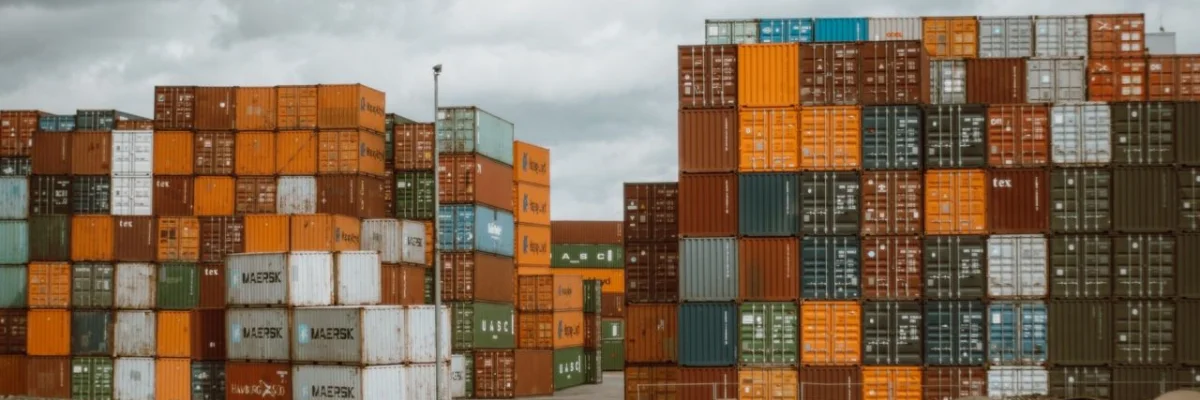
In the modern era of international trade, freight forwarders operate in a highly complex environment where visibility and accuracy define operational success. Clients now demand real-time transparency regarding their cargo location and arrival status, shifting the burden of communication onto the logistics provider. Utilizing cloud-based software platforms allows forwarders to centralize vast streams of data, transforming fragmented updates into actionable intelligence. By integrating advanced tracking technologies, professionals can mitigate risks, improve delivery timelines, and maintain a competitive edge. This shift toward digital transparency is not merely a convenience but a fundamental necessity for navigating the volatility inherent in today's global supply chain management.
The Impact of Real-Time Data
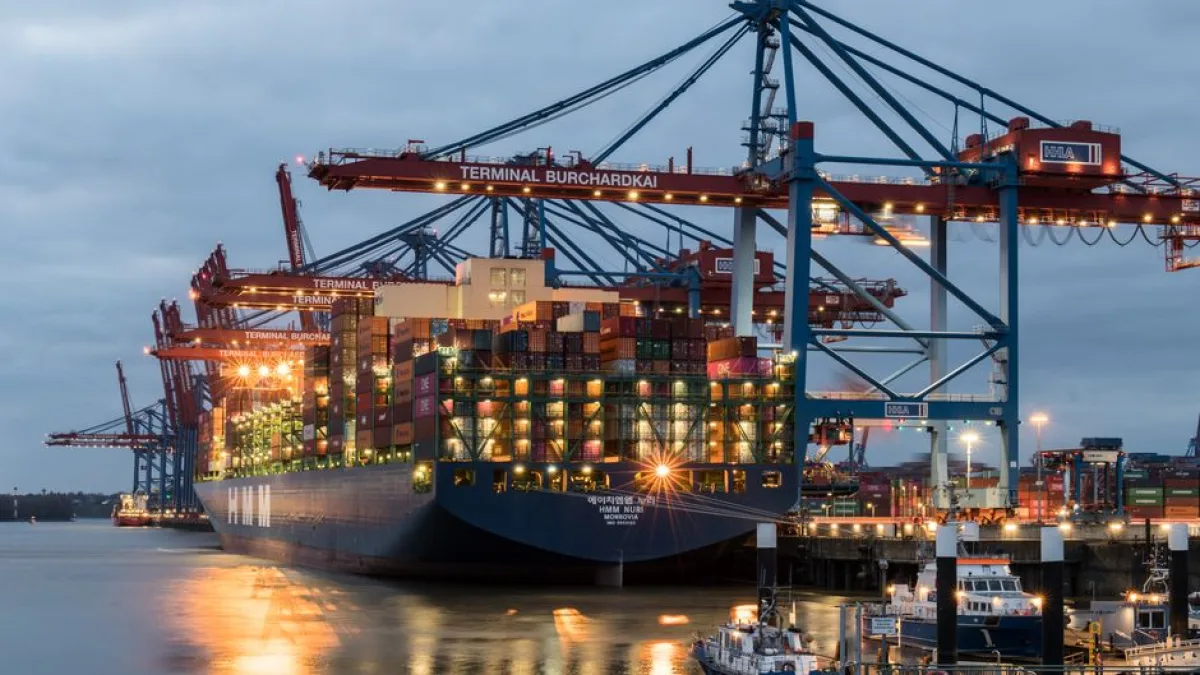
Real-time data visibility serves as the backbone of contemporary freight management strategies. By leveraging live GPS feeds and digital connectivity, forwarders can proactively address potential bottlenecks, ensuring that cargo movement remains consistent and transparent for stakeholders at every stage of transit.
- Improved Customer Communication: Proactive updates provided through automated systems ensure that clients remain informed without the need for manual check-ins, significantly enhancing overall service satisfaction and building long-term partner trust.
- Risk Mitigation Strategies: Access to live data streams allows teams to identify potential delays caused by weather or port congestion, enabling rapid rerouting decisions that protect the integrity of shipments.
- Optimized Resource Planning: Dynamic scheduling based on incoming tracking signals helps companies allocate warehouse staff and transportation assets more efficiently, reducing idle time and lowering operational overhead costs daily.
- Enhanced Operational Accuracy: Digital entry reduces the dependency on manual spreadsheet updates, effectively minimizing human errors that often lead to costly billing discrepancies and misrouted freight during the busy season.
- Scalable Service Models: Integrated software platforms allow growing firms to handle higher transaction volumes while maintaining the same level of granular visibility required by their most demanding international logistics clients.
Adopting a data-driven approach shifts the focus from reactive problem-solving to strategic management. When forwarders utilize cloud platforms to monitor shipments, they gain the ability to preemptively handle complications. This transparency creates a stronger value proposition for clients who prioritize reliability. Ultimately, the integration of real-time data establishes a foundation for smarter decision-making that drives consistent profitability and sustained business growth in competitive markets.
Optimizing Logistics Workflow Efficiency
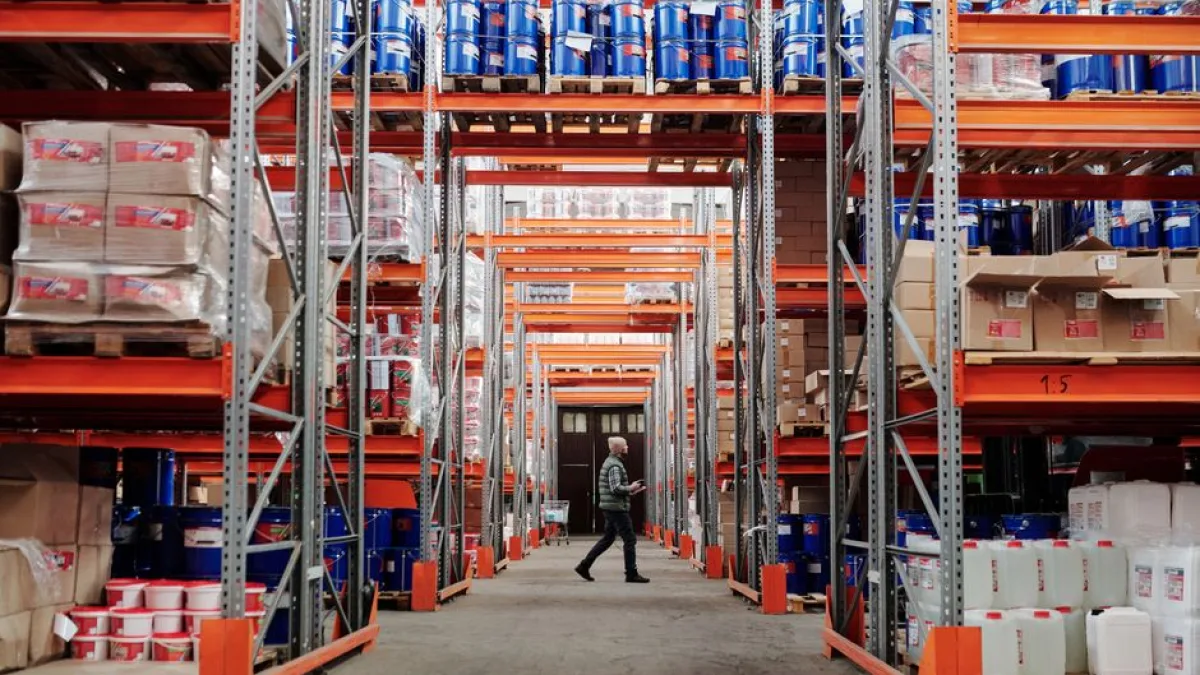
Workflow efficiency is achieved when fragmented tracking tasks are consolidated into a single, cohesive platform. By automating routine updates and documentation, freight forwarders can focus their efforts on high-level strategy rather than getting bogged down by repetitive manual tracking status inquiries.
- Automated Status Updates: Triggering notifications based on specific tracking milestones removes the manual burden from staff, ensuring that clients receive timely information without requiring constant intervention from the operations team.
- Streamlined Documentation Flows: Digital platforms unify tracking data with bill of lading and customs documents, creating a single source of truth that simplifies compliance and improves document processing speeds.
- Centralized Communication Hubs: Consolidating all stakeholder correspondence within the tracking interface prevents data silos, ensuring every team member has access to the latest shipment updates and client requirements immediately.
- Standardized Operational Processes: Implementing uniform workflows across the entire organization ensures that every shipment follows consistent tracking procedures, which reduces variability and increases the reliability of promised transit time estimates.
- Enhanced Team Collaboration: Cloud access allows geographically dispersed teams to coordinate tracking activities in real-time, fostering a more connected environment that supports rapid responses to changing market conditions.
Optimizing these workflows is essential for scaling operations without sacrificing service quality. As logistics providers manage more shipments, the ability to rely on standardized, automated processes becomes a major competitive advantage. By minimizing the time spent on administrative tracking tasks, forwarders can dedicate more energy to cultivating client relationships and exploring new growth opportunities within the complex global freight shipping network.
Enhancing Transparency with Clients

Transparency acts as a bridge between the forwarder and the shipper, building confidence through clear information sharing. When clients have direct access to their tracking information via a secure portal, the relationship transforms into a partnership based on clarity and mutual trust.
- Client Access Portals: Providing a dedicated portal allows customers to view shipment status independently, which reduces the volume of support tickets and empowers them to make informed supply decisions.
- Branded Tracking Interfaces: Customizing the tracking experience helps maintain a professional brand identity, reinforcing the company image while providing a seamless transition from the main website to the portal.
- Detailed Milestone Reporting: Breaking down transit into granular milestones helps clients understand the complexity of the journey, setting realistic expectations and highlighting the value provided by the forwarding team.
- Proactive Exception Alerts: Automated notifications regarding unforeseen delays allow clients to adjust their own inventory plans, demonstrating professional responsibility and minimizing the negative impact of external supply chain disruptions.
- Data-Driven Performance Reviews: Regularly sharing transparent reporting on transit accuracy allows forwarders to provide objective proof of their performance, which strengthens client loyalty and justifies higher contract service rates.
Building a transparent relationship is a strategic move that pays dividends in retention. Clients who feel they have full visibility into their cargo journey are significantly more likely to continue working with a provider. By simplifying access to critical information, freight forwarders can reduce friction in the client relationship, creating a modern, tech-forward experience that aligns with the expectations of today's digital consumers.
Embracing Future Tracking Technology

The future of shipping lies in the integration of predictive analytics and automated tracking. As technology evolves, forwarders must stay ahead of the curve by adopting systems that anticipate needs rather than just reporting the current state of freight shipments.
- Predictive Analytics Integration: Utilizing historical data to forecast potential future delays allows firms to suggest alternative routes before a problem even occurs, setting a new standard for proactive logistics management.
- IoT Sensor Compatibility: Supporting data from Internet of Things sensors provides deeper insights into cargo conditions, such as temperature or humidity, which is vital for perishable or sensitive shipment categories.
- Blockchain for Security: Implementing decentralized ledger technology ensures that tracking data is tamper-proof, providing clients with the highest level of verification and security for their international freight movements.
- Machine Learning Optimization: Algorithms that learn from past shipping patterns help in identifying the most efficient carriers and routes, continuously refining the logistics process for future shipments over time.
- Mobile Accessibility Focus: Developing mobile-friendly tracking interfaces ensures that stakeholders can manage and monitor their cargo from anywhere, providing the flexibility required by modern, fast-paced global business environments today.
Investing in future technology is not just about keeping pace with the market but about defining the standard. As tracking tools become more sophisticated, the gap between traditional forwarders and tech-enabled platforms will continue to widen. By prioritizing innovation today, logistics businesses ensure their long-term relevance. A commitment to constant improvement in tracking technology remains the best path toward achieving long-term industry leadership.
Conclusion
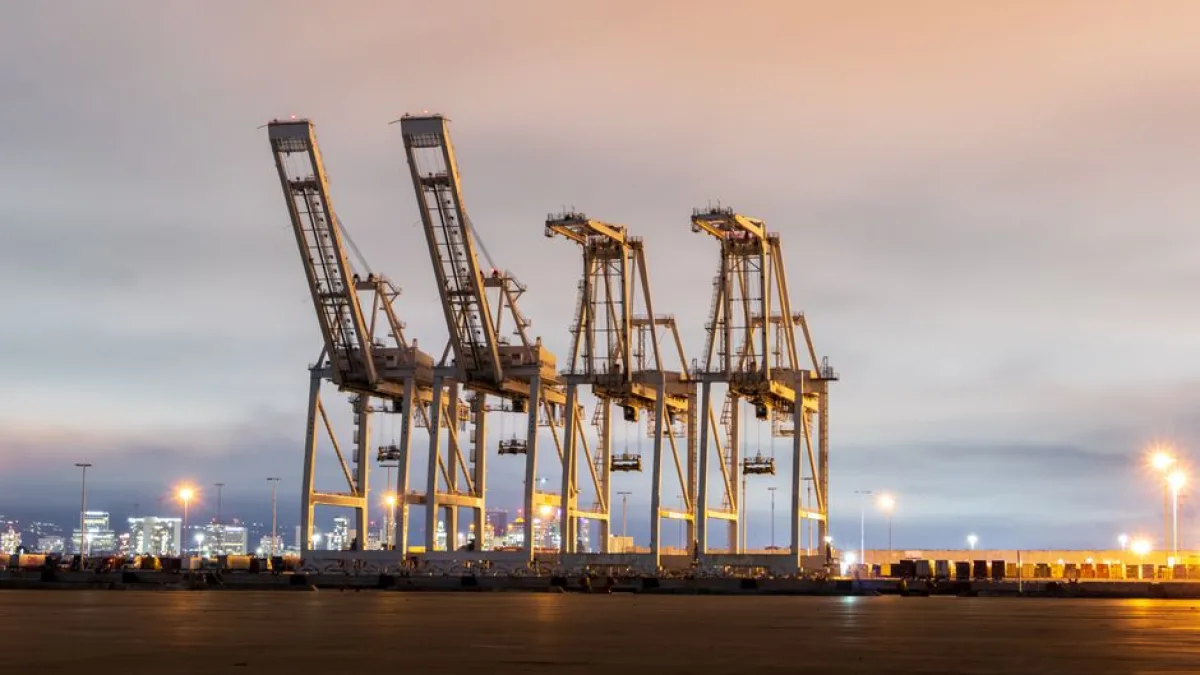
Modern freight forwarding requires a robust commitment to digital tracking and visibility. By leveraging cloud-based platforms, professionals can streamline workflows, enhance client transparency, and utilize predictive insights to overcome global supply chain challenges. Adopting these advanced technologies ensures that your business remains efficient, competitive, and prepared for future growth. Invest in the right digital tools today to deliver exceptional value for your shipping partners.