Mastering Global Logistics with Advanced Shipping and Tracking
Friday, July 31 2026
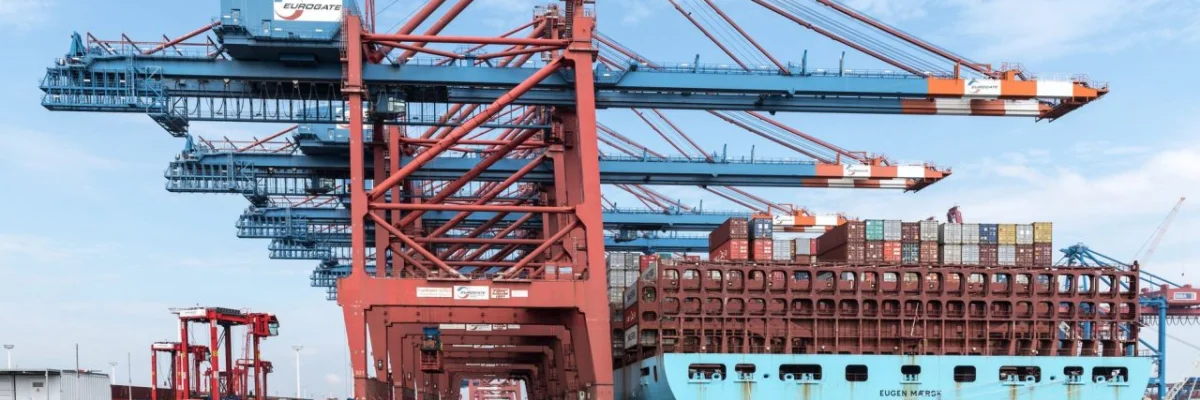
In the modern era of international trade, freight forwarders operate in a highly volatile landscape where visibility remains the most critical currency. Clients demand real-time insights into their supply chains, moving beyond simple status updates to comprehensive predictive analytics. As global markets fluctuate, the ability to monitor cargo movement with precision differentiates successful logistics providers from those lagging behind. Leveraging sophisticated cloud-based platforms allows firms to centralize disparate data streams into actionable intelligence. By prioritizing digital infrastructure, forwarders can mitigate risks, enhance customer communication, and achieve operational excellence in an increasingly complex and interconnected global shipping environment.
Optimizing Real-Time Shipment Visibility
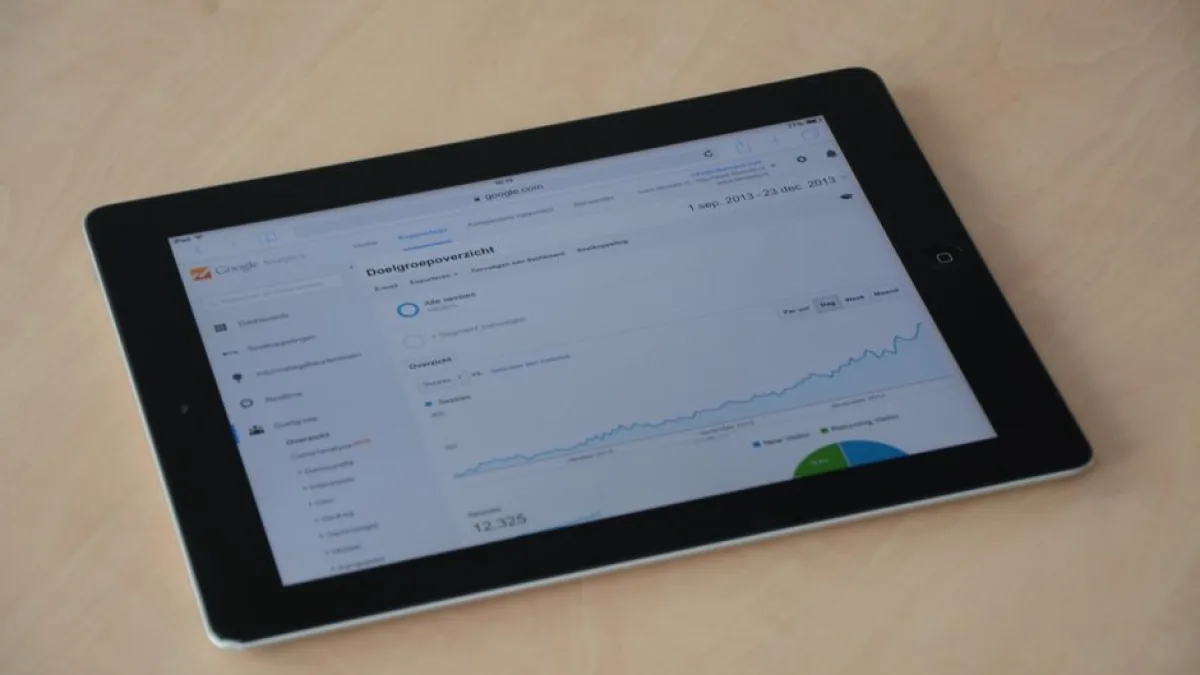
Digital dashboards provide a unified view of your entire cargo portfolio, ensuring that every stakeholder remains informed. By replacing manual spreadsheets with automated tracking tools, your team can instantly pinpoint delays and address issues before they escalate into major customer service failures.
- Automated Tracking Updates: Integration with carrier APIs ensures that status changes reflect immediately within your platform, eliminating the need for constant manual checks or endless email threads with carrier agents.
- Predictive Analytics Integration: Advanced algorithms analyze historical data to forecast potential bottlenecks, allowing forwarders to proactively reroute shipments and avoid congested ports during peak seasonal shipping periods or disruptions.
- Centralized Client Portals: Providing customers with secure access to their specific shipment data builds immense trust while reducing the administrative burden on your support staff during high-volume operations.
- Exception Management Alerts: Automated triggers notify your operations team the moment a shipment deviates from its planned route, enabling rapid intervention to maintain your agreed delivery schedules and service levels.
By streamlining your tracking process through integrated cloud software, you transform manual oversight into a scalable competitive advantage. This level of transparency reduces the volume of status inquiries from clients, freeing up your team to focus on strategic growth rather than repetitive administrative tasks. Embracing these technological advancements ensures that your freight forwarding business remains resilient, efficient, and highly responsive to dynamic global demand.
Leveraging Automated Carrier Data Integration
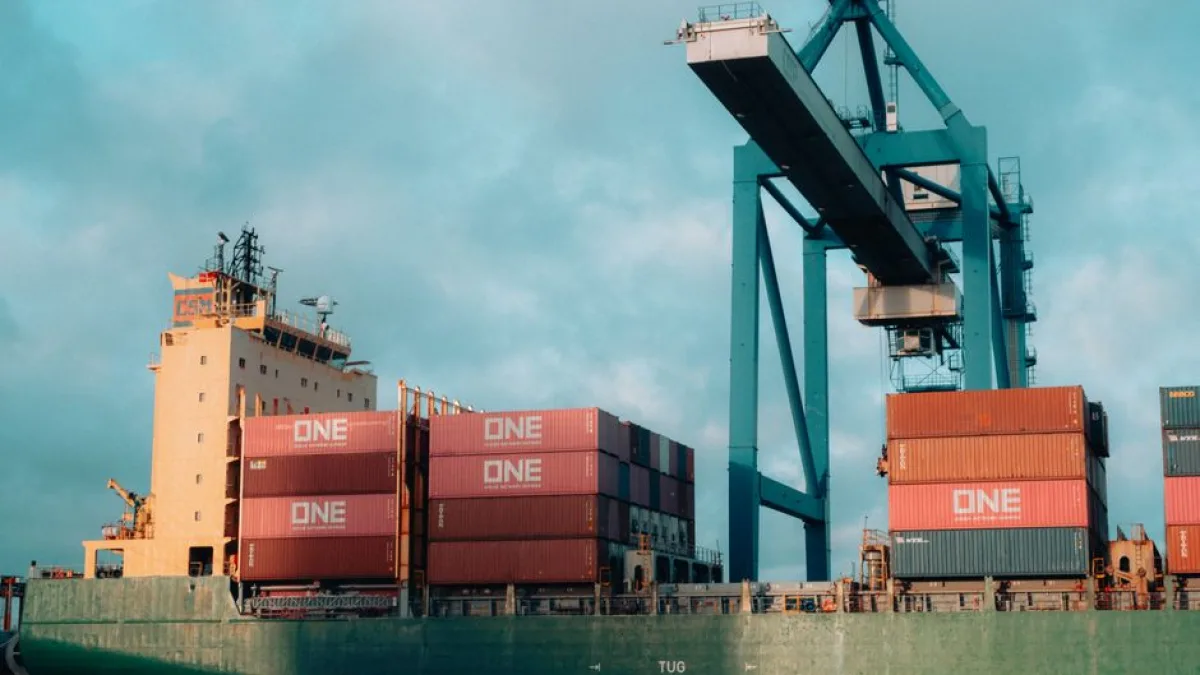
Connecting directly with shipping lines and terminal operators simplifies data intake, ensuring your platform displays accurate information. This seamless flow of information removes human error from the data entry process, creating a reliable foundation for all your logistical reporting.
- Standardized Data Streams: Normalizing data formats from various global carriers into a consistent internal format allows for faster processing and more accurate reporting across different transport modes and regions.
- API Driven Updates: Automated webhooks push critical location data directly into your software, keeping your records updated without requiring your staff to log into multiple external carrier portals daily.
- Enhanced Data Accuracy: Removing manual data entry points drastically reduces the risk of typographical errors, ensuring that your financial invoicing and client reports are always based on precise information.
- Seamless Partner Collaboration: Integrated systems facilitate better coordination with overseas agents and trucking partners, creating a cohesive network that functions as a single unit throughout the cargo journey.
Consolidating carrier data into a single source of truth fundamentally changes how your firm handles complex logistics projects. By eliminating technical silos, you create a more agile organization capable of managing larger volumes without increasing overhead costs. This structural improvement allows your operations team to spend their time solving actual logistical problems rather than struggling with inconsistent or fragmented shipment data updates.
Enhancing Customer Communication Through Transparency

Proactive communication remains the cornerstone of client retention in the logistics industry. When freight forwarders provide clear, consistent updates, they empower their clients to manage their own inventory cycles more effectively, leading to stronger long-term business partnerships and higher satisfaction.
- Automated Status Notifications: Configure customizable email or SMS alerts that trigger automatically based on key milestones, keeping your clients informed throughout the transit process without manual effort from staff.
- Branded Tracking Interfaces: Customizing the tracking experience with your firm branding reinforces your professional image and keeps your company top-of-mind every time the client checks their cargo status.
- Shared Document Access: Giving clients direct access to bills of lading and commercial invoices through a secure portal saves significant time and reduces the reliance on traditional email attachments.
- Real-Time Chat Integration: Embedded messaging tools allow clients to ask specific questions about a shipment directly within the tracking interface, ensuring all communication remains linked to the relevant data.
Effective communication strategies act as a powerful differentiator in a crowded freight market. By shifting from reactive responses to proactive reporting, your firm demonstrates technical competence and reliability. This professional approach encourages clients to consolidate their logistics spend with you, viewing your platform as an essential extension of their own supply chain management capabilities rather than just a vendor for shipping.
Building Resilience Against Supply Chain Disruptions

Unexpected events are an unavoidable reality, but your response to these challenges defines your firm capability. A robust tracking system provides the necessary situational awareness to navigate crises, ensuring that your team maintains control even when global conditions turn suddenly unfavorable.
- Dynamic Route Mapping: Visualizing cargo locations on an interactive map helps teams identify alternative transit points during strikes or port closures, minimizing the impact of regional or global disruptions.
- Disruption Risk Assessment: Utilizing real-time port congestion data allows you to advise clients on the best transport options before they commit to routes that are likely to face significant delays.
- Contingency Planning Tools: Documenting and executing alternative transit strategies becomes significantly easier when your system provides a clear overview of all current cargo positions and transit time variables.
- Performance Reporting Metrics: Analyzing past disruption data helps your team refine future planning, ensuring that you build more resilient supply chains that can withstand predictable environmental and political pressures.
Developing a proactive stance on disruption management transforms your freight forwarding services from a commodity into a strategic necessity. By arming your team with better data and planning tools, you ensure that your operations remain stable despite external shocks. This level of preparation protects your clients margins and builds a reputation for reliability that will sustain your growth for many years.
Conclusion
Mastering shipping and tracking is essential for modern freight forwarders seeking to scale their operations. By utilizing MakeCargo to integrate real-time data, optimize communication, and build supply chain resilience, your firm can consistently exceed client expectations. Start upgrading your digital infrastructure today to ensure your team remains at the forefront of the global logistics industry and maintains a distinct competitive edge.