Mastering Global Logistics with Advanced Shipping and Tracking
Saturday, August 1 2026
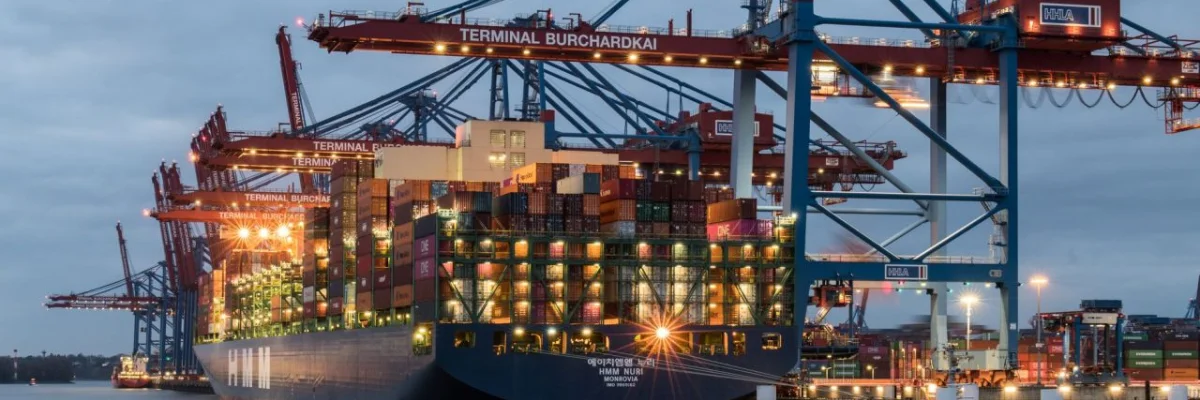
In the fast-paced world of modern logistics, the ability to track shipments with precision defines a successful freight forwarder. As global supply chains grow increasingly complex, professionals must leverage cloud-based platforms to maintain visibility over every cargo milestone. This shift toward digitalization is no longer a luxury but a fundamental necessity for those aiming to reduce operational bottlenecks and enhance client satisfaction. By integrating real-time data into your daily workflow, you can proactively manage exceptions, provide accurate arrival estimates, and build lasting trust with your partners. Embracing these advanced tracking technologies empowers your team to navigate the unpredictable nature of international trade effectively.
Optimizing Shipment Visibility

Real-time visibility acts as the backbone of modern freight forwarding, allowing companies to monitor goods moving across oceans and borders. By centralizing data streams, forwarders gain a comprehensive overview of every container location, effectively reducing the time spent on manual status updates.
- Automated Tracking Updates: Advanced software platforms trigger automatic notifications for every status change, ensuring your team and your customers stay informed without needing to check multiple carrier portals manually.
- Reduced Operational Delays: Accurate tracking data helps identify potential bottlenecks at ports or customs houses before they escalate, allowing for quick adjustments to routing or cargo handling plans.
- Unified Data Streams: Integrating various carrier feeds into one cloud dashboard prevents information silos, creating a single source of truth that improves decision making across your entire logistics organization.
- Customizable Client Alerts: Tailor communication frequency for your stakeholders based on specific project requirements, ensuring that high-value cargo receives the attention it needs while maintaining clear, consistent update schedules.
Achieving total visibility transforms your business model from reactive to proactive. When you provide clients with reliable information at their fingertips, you significantly reduce the volume of status inquiries. This efficiency allows your staff to focus on strategic growth and problem solving rather than administrative busywork, ultimately driving better service levels and fostering stronger long-term relationships with every customer you serve throughout the year.
Leveraging Digital Logistics Tools

Modern logistics tools serve as the engine for efficiency, allowing forwarders to automate repetitive tasks that once required manual input. These cloud platforms integrate seamlessly with existing shipping workflows to ensure that data flows accurately from the point of origin to destination.
- Seamless Cloud Integration: Connecting your logistics software to existing carrier systems ensures that data is synchronized instantly, eliminating the need for manual data entry and reducing human error.
- Centralized Document Management: Store all essential shipping documents alongside your tracking data, making it easy for authorized users to access manifests, invoices, and customs forms in seconds.
- Scalable Software Solutions: Choose tools that grow with your volume, allowing you to add new partners or shipping lanes without needing to overhaul your core technical infrastructure.
- Enhanced Data Security: Protect sensitive shipment information with enterprise grade encryption, ensuring that your corporate intelligence and client data remain secure against potential digital threats at all times.
Adopting robust digital infrastructure is the fastest way to scale your freight forwarding operations. When your tools work in harmony, you save countless hours each week on data reconciliation and report generation. This increased bandwidth allows your team to handle larger shipment volumes with ease. By investing in scalable technology today, you prepare your firm for the evolving demands of the global market.
Predictive Analytics for Routing

Predictive analytics uses historical performance data to forecast potential delays, giving forwarders a distinct competitive edge. By identifying patterns in transit times and port congestion, you can make informed decisions that keep cargo moving smoothly despite unpredictable global environmental or political factors.
- Historical Trend Analysis: Evaluate past transit times across specific lanes to establish more accurate service level agreements with your clients, improving expectations for upcoming shipment delivery dates.
- Congestion Forecasting Tools: Utilize predictive models to anticipate heavy traffic at major maritime hubs, allowing you to suggest alternate routing options to clients before issues actually occur.
- Risk Mitigation Planning: Identify vulnerable segments in the supply chain by analyzing historical disruptions, enabling your team to develop contingency plans that protect your clients high-value inventory.
- Optimized Carrier Selection: Assess carrier reliability scores based on past performance data to ensure you are selecting the most efficient partners for critical and time sensitive shipments.
Integrating predictive intelligence into your workflow changes how you handle logistics challenges. Instead of reacting to bad news, you anticipate potential issues and solve them before they impact the bottom line. This strategic approach demonstrates professional expertise to your clients, positioning your agency as a high-value partner. Consistent use of analytics turns raw shipment data into a powerful asset for success.
Enhancing Customer Communication

Clear communication is the hallmark of a top-tier freight forwarder. Providing transparent, branded updates to your customers creates a professional image and keeps them engaged. Effective digital communication tools ensure that every stakeholder is aligned throughout the lifecycle of the shipment journey.
- Branded Tracking Portals: Offer your clients a customized interface that reflects your agency identity, strengthening your brand while providing an easy to navigate experience for checking cargo status.
- Proactive Incident Reporting: Communicate potential delays or issues immediately through automated workflows, maintaining transparency and trust even when unforeseen circumstances occur during the international shipping process.
- Personalized Client Dashboards: Provide specific account managers or shippers with private dashboards that highlight the metrics and tracking information most relevant to their individual business objectives.
- Streamlined Feedback Loops: Incorporate direct feedback channels within your tracking software, making it simple for customers to request support or clarification on any specific shipment milestone provided.
Building strong customer relationships requires consistent and clear information sharing throughout the entire logistics process. By giving clients access to branded, user friendly tracking tools, you elevate the quality of your service significantly. This transparency leads to higher client retention and increased referrals. Invest in communication platforms that emphasize your commitment to service and reliability in every single interaction you have.
Conclusion
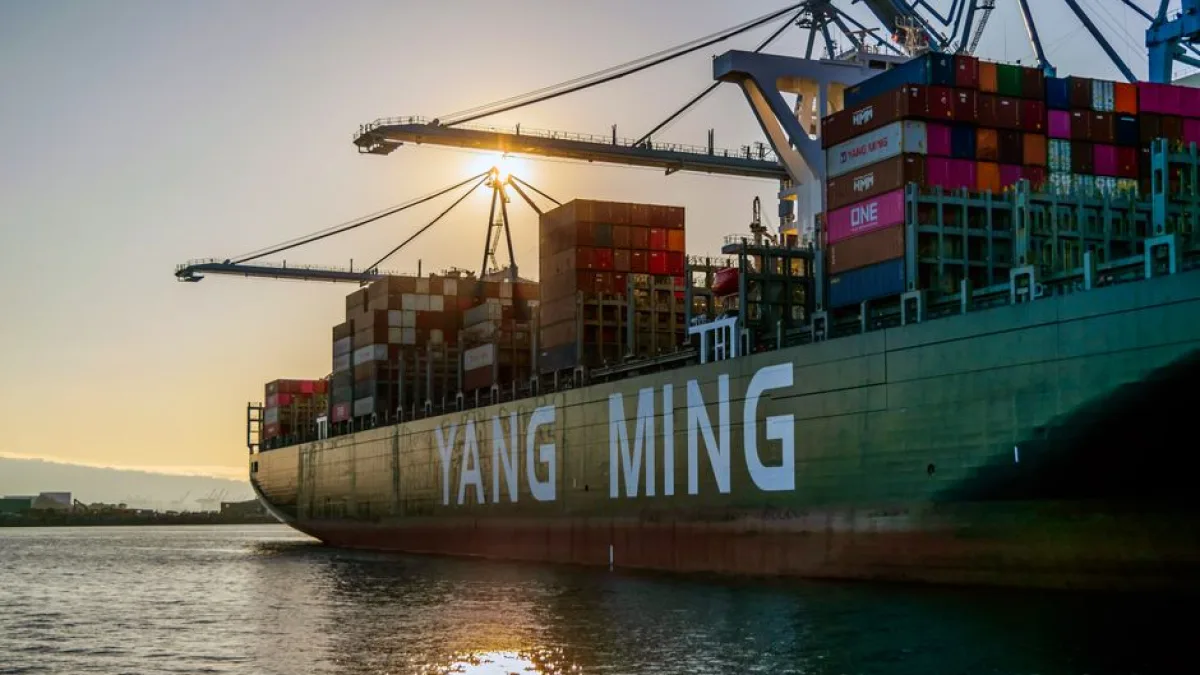
Advancing your logistics capabilities through digital tools is essential for staying competitive in today's global shipping environment. By prioritizing real-time visibility, predictive analytics, and clear communication, your freight forwarding business can overcome common industry hurdles with confidence. Make the decision to upgrade your software systems today to ensure long-term success. Contact the team at MakeCargo to learn how our cloud platform supports your goals.