Mastering Global Logistics with Advanced Shipping and Tracking
Friday, August 7 2026

In the modern era of international trade, freight forwarders operate in an environment where transparency and precision are non-negotiable requirements for success. As supply chains grow more complex, the ability to monitor shipments in real time from origin to final delivery has become the primary differentiator for competitive logistics firms. Leveraging robust cloud-based software solutions allows professionals to eliminate manual errors and provide clients with accurate, up-to-the-minute data. By mastering advanced digital tracking methodologies, companies can significantly reduce operational bottlenecks, improve communication across global hubs, and ultimately deliver superior service standards that foster long-term partnerships with their diverse client base.
The Evolution of Visibility
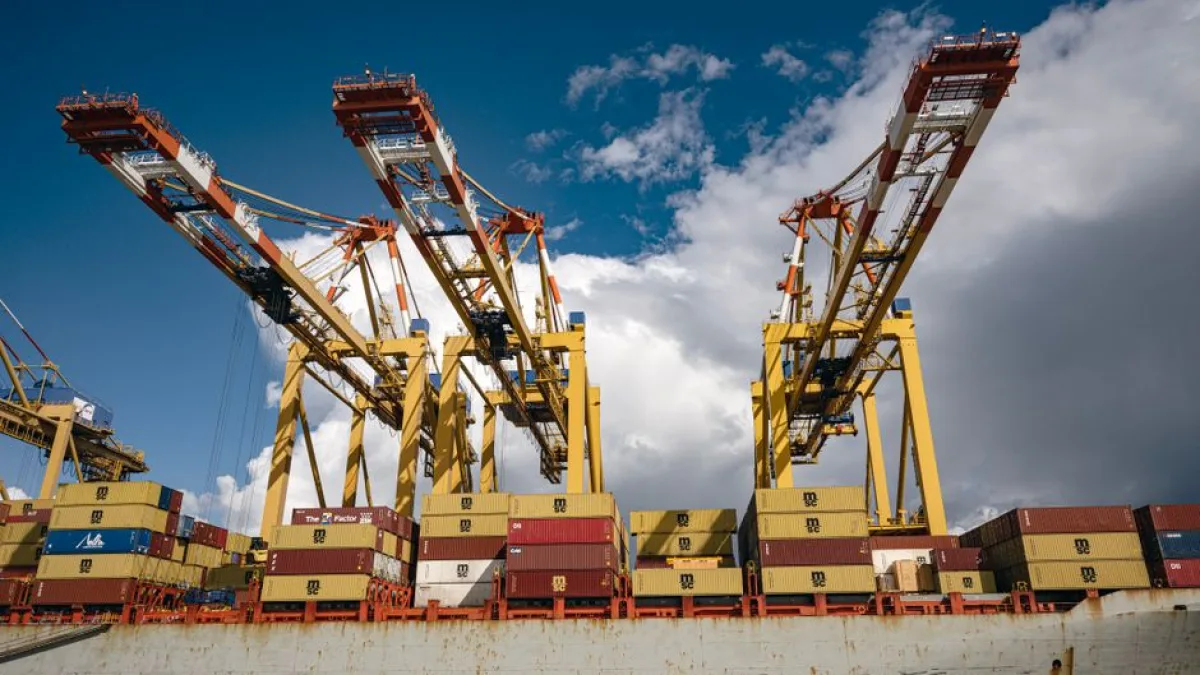
Modern visibility tools provide deep insights into shipment lifecycles, ensuring that stakeholders remain informed about vessel locations and potential delays. By integrating automated tracking systems, freight forwarders can proactively manage exceptions and optimize their logistics workflows for better performance.
- Real time updates: Digital dashboards allow your team to monitor vessel positions and container status instantly to ensure that every shipment follows its projected transit schedule without unexpected issues.
- Automated notifications: Eliminate manual status checks by sending proactive alerts to your clients whenever a shipment reaches a specific milestone or encounters a documented delay during maritime transit.
- Predictive analytics tools: Utilize advanced software algorithms to forecast arrival times based on historical data and current port conditions, helping your team make better decisions for your clients.
- Centralized data access: Consolidate all tracking information into one unified platform to ensure that your customer support team provides accurate updates without searching through scattered email communications.
Digital visibility represents more than just a convenience for your staff. It is a critical asset that builds trust with every shipper you serve. When your team can instantly provide accurate locations and arrival estimates, you solidify your reputation as a reliable logistics partner. Adopting these advanced tools today will prepare your freight forwarding business for the increasing demands of future global trade.
Optimizing Warehouse Throughput

Efficient warehouse management is the backbone of successful freight operations, ensuring that goods are handled, sorted, and dispatched with high precision. Modern software streamlines inventory processes, reducing the time shipments spend waiting in storage before moving toward their final destination.
- Inventory tracking precision: Utilize barcode and RFID technology to maintain a flawless record of all stock levels within your facility, reducing the risk of errors and lost packages.
- Optimized floor layouts: Implement smart management systems that suggest the most efficient storage locations based on turnover speed, maximizing available space and reducing overall operational handling costs.
- Seamless order processing: Automate the transition from inventory storage to outgoing shipment stages to ensure that packages move through your warehouse without any unnecessary manual wait times.
- Quality control checks: Integrate automated scanning steps during the intake and output phases to verify cargo integrity, which prevents damaged goods from reaching the end customer later.
Streamlined warehouse operations translate into faster turnaround times and improved bottom lines for your freight forwarding agency. By focusing on high-tech inventory management and optimized floor flow, you minimize the risk of bottlenecks that slow down the entire supply chain. These operational improvements ensure that your cargo remains mobile and that your clients benefit from the quickest possible delivery cycles available today.
Digital Documentation Management

Managing the flow of complex shipping documents often causes significant delays if handled manually. Moving to a digital-first approach ensures that bills of lading, invoices, and customs declarations are processed, shared, and stored securely within your cloud freight platform.
- Paperless document storage: Migrate all traditional filing cabinets into a secure cloud system to save space, increase data security, and make retrieval instantaneous for your remote global team.
- Instant document sharing: Enable your logistics partners and clients to access, review, and sign shipping documents remotely, which significantly speeds up the customs clearance and payment cycles.
- Automated compliance checks: Utilize software features that flag missing information or regulatory errors in your paperwork before submission to customs authorities, preventing costly fines and port detention.
- Version control systems: Maintain a clear record of every document edit to ensure that all parties are working from the latest version of the shipping paperwork provided.
Moving away from physical paperwork is a mandatory step for any professional freight forwarder aiming for scale. Digital document management reduces the risk of human error while fostering faster collaboration between your team and external partners. Investing in a robust cloud-based storage system protects your firm from lost data and ensures your operations remain compliant with international trade standards at all times.
Integrating Client Communication

Clear communication is the ultimate measure of quality in the logistics industry. Providing clients with direct, easy-to-use communication portals ensures that questions are answered promptly and that everyone involved in the shipment stays aligned on goals and delivery targets.
- Direct client portals: Give your shippers a private access point where they can view live status updates, download documents, and send inquiries directly to your team members.
- Multi-channel support: Connect your tracking platform with email and messaging tools to ensure that your clients receive updates in the formats they prefer without interruptions.
- Automated response systems: Set up smart templates for common client questions to provide instant answers, which frees up your staff to focus on more complex operational challenges.
- Feedback collection tools: Gather post-delivery surveys automatically to measure client satisfaction levels, which helps you refine your services and identify areas for potential operational process improvements.
Enhancing client communication is not just about responsiveness, it is about creating a transparent experience that turns occasional shippers into loyal long-term partners. By leveraging integrated tools, your team becomes a proactive advisor rather than a reactive service provider. This change in posture fosters deeper trust, helps manage expectations during transit disruptions, and ultimately contributes to the overall stability and growth of your business.
Conclusion

Leveraging specialized software for shipping and tracking allows freight forwarders to thrive in a crowded market. By focusing on visibility, warehouse efficiency, digital documents, and client communication, your company can set new benchmarks for professional service. Start exploring these integrated cloud solutions today to optimize your logistics workflows. These strategic changes provide the competitive edge needed to manage global trade challenges effectively and reliably.