Mastering Global Logistics with Advanced Shipping and Tracking
Tuesday, August 18 2026

The modern freight forwarding industry demands unparalleled visibility and precision to maintain competitive operations in an increasingly volatile global market. As supply chains grow more complex, the ability to monitor cargo movement in real time becomes the primary differentiator between industry leaders and those struggling with legacy manual processes. By adopting sophisticated tracking technologies and integrated cloud platforms, forwarders can provide customers with the transparency they expect while optimizing internal workflows. This article explores how digital transformation in logistics enables professionals to manage global shipments with confidence, ensuring reliable delivery schedules and proactive communication throughout every stage of the international transport journey.
The Evolution of Visibility
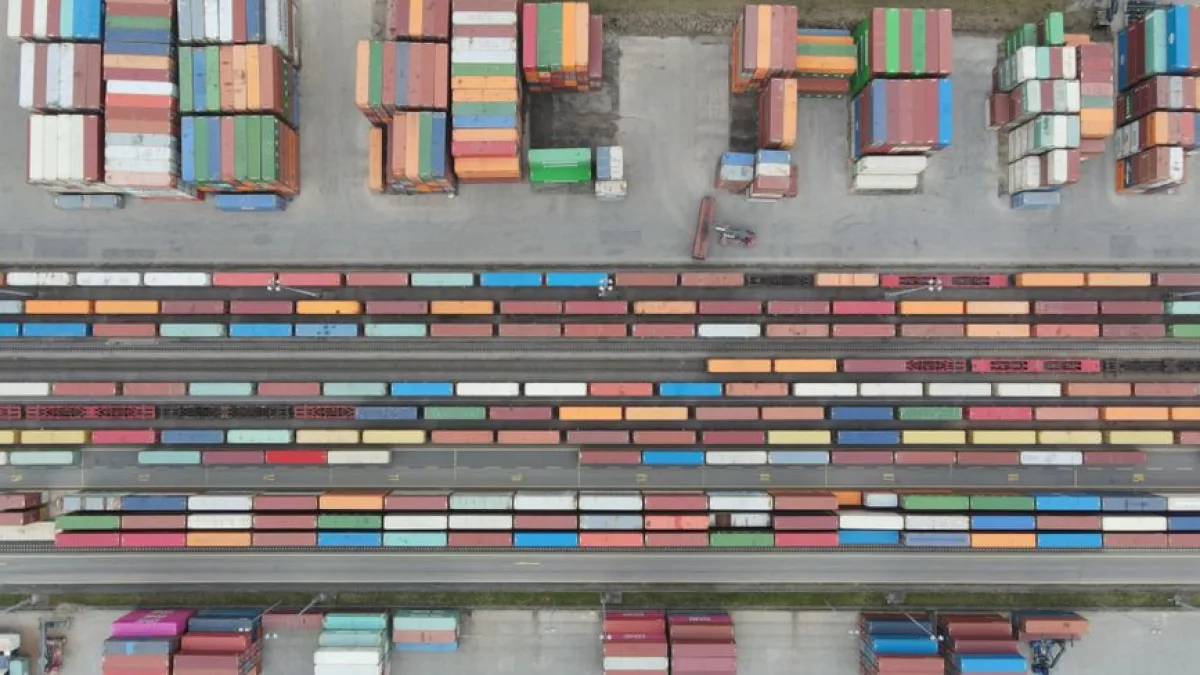
Digital dashboards now serve as the primary command center for modern logistics, consolidating complex data points into actionable insights for freight professionals. These interfaces allow teams to monitor multiple shipments simultaneously, identifying potential bottlenecks before they escalate into costly delivery delays.
- Automated Status Updates: Real time data feeds provide instantaneous notifications regarding container status, ensuring that stakeholders remain informed about arrival times without requiring constant manual inquiries to international carrier partners.
- Predictive Milestone Tracking: Advanced algorithms analyze historical vessel performance to forecast estimated arrival dates, allowing forwarders to manage client expectations accurately despite unexpected congestion at major global shipping terminals.
- Carrier Integration Hubs: Centralizing data from various shipping lines into one unified platform eliminates the need for switching between multiple portals, saving valuable time during daily operational tasks.
- Proactive Exception Alerts: Automated systems detect deviations from scheduled routes immediately, enabling staff to implement contingency plans before a shipment suffers from significant delays at transit points.
Leveraging these advanced visibility tools transforms the traditional shipping experience into a streamlined process. By minimizing manual check-ins, freight forwarders gain the freedom to focus on high value activities like strategic planning and business development. Ultimately, the integration of automated visibility software serves as a fundamental pillar for growth, allowing forwarders to scale their operations while maintaining high quality service standards across every shipment.
Optimizing Port Operations
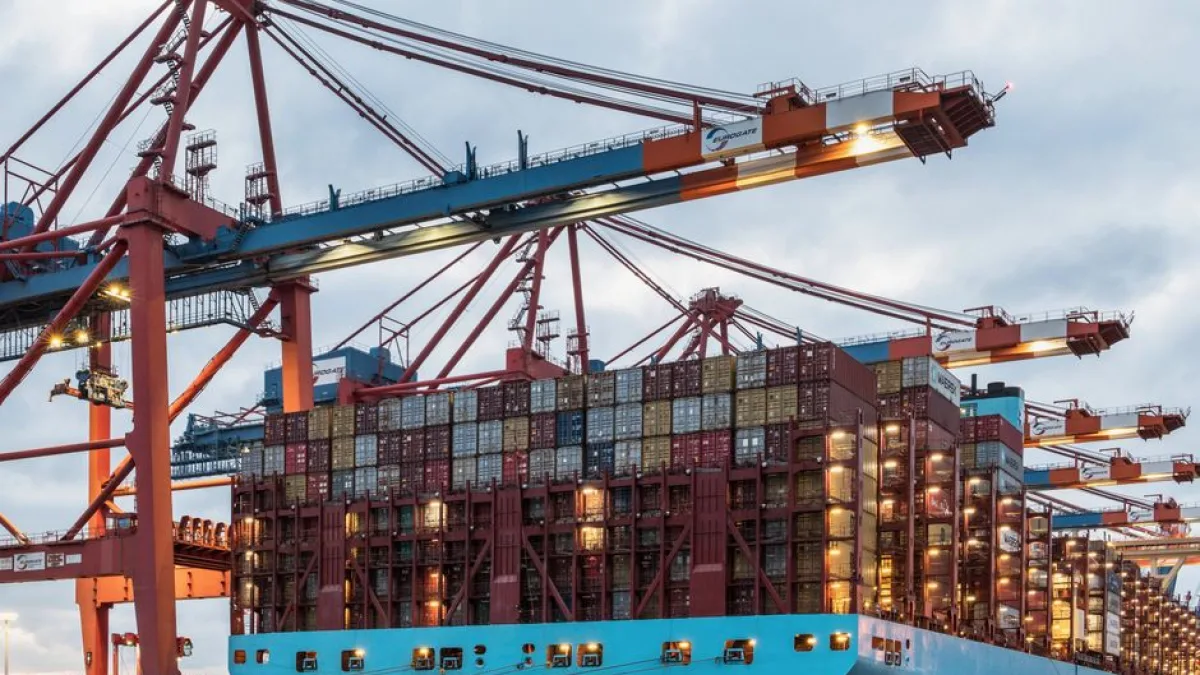
Port terminals often represent the most unpredictable stage of a shipments journey, making efficient coordination essential for avoiding expensive demurrage and detention fees. Modern software solutions provide deep visibility into terminal activity, ensuring seamless handoffs between ocean carriers and inland transportation providers.
- Demurrage Fee Reduction: Software monitors storage windows at terminals, generating timely alerts that remind teams to move containers before penalties accrue, significantly improving the overall profitability of logistics operations.
- Terminal Gate Transparency: Accessing real time data regarding container availability at the gate ensures that truck drivers arrive at the optimal moment, reducing idling time and maximizing driver productivity.
- Document Digitization Flow: Integrating digital customs and terminal documentation reduces physical paperwork processing times, enabling faster container release and smoother transitions through busy international gateway hubs worldwide.
- Congestion Heat Maps: Utilizing data analytics to visualize terminal congestion levels helps forwarders choose alternative ports or routing options, successfully bypassing areas experiencing severe labor or equipment shortages.
Managing terminal performance effectively relies on constant access to accurate data. When freight forwarders utilize cloud tools to synchronize port arrivals with inland logistics, they create a cohesive chain of operations. This level of coordination mitigates the risks associated with terminal congestion, ensuring that cargo moves swiftly toward its final destination. Forwarders who prioritize these operational efficiencies consistently outperform their competition in market reliability.
The Power of Real Time Alerts

Instant communication regarding shipment status is no longer a luxury but a fundamental necessity for modern clients. Real time alerts allow freight forwarders to demonstrate accountability, fostering long term trust by keeping stakeholders fully informed throughout the entire transit process.
- Instant Custom Notifications: Automated systems trigger specific messages for clients when cargo reaches key waypoints, delivering a professional communication experience that reinforces the value of your services.
- Mobile Access Capabilities: Field staff and account managers can access critical tracking data from mobile devices, providing the flexibility to handle urgent inquiries from anywhere at anytime.
- Exception Management Workflows: When an alert indicates a delay, integrated software guides users through preconfigured resolution steps, ensuring a rapid response to minimize the impact on the client.
- Customer Self Service Portals: Enabling clients to view their own shipment updates via a secure web portal reduces the volume of repetitive emails, freeing up your team's schedule.
Adopting an alert based strategy transforms reactive support into a proactive service model that delights customers. By automating these frequent updates, forwarders establish a reputation for reliability and operational excellence. This consistent stream of information reduces stress for all parties involved and highlights the professional nature of your business. Embracing these digital communication channels remains the most effective strategy for maintaining high client retention.
Data Driven Decision Making

Strategic decision making requires high quality data analysis that identifies long term trends and patterns within a shipping network. Cloud software platforms provide the reporting depth necessary to refine supply chain strategies, allowing forwarders to offer more consultative services to their loyal international client base.
- Route Performance Analysis: Comparing the historical reliability of different shipping lines helps forwarders negotiate better contracts and select the most dependable carriers for specific trade lanes and destinations.
- Operational Bottleneck Identification: Detailed reports highlight recurring delays in specific regions, empowering forwarders to adjust their supply chain architecture to avoid future disruptions and improve overall cycle times.
- Profitability Benchmarking Tools: Analyzing costs versus revenue across different shipment types allows management to identify the most profitable business areas while pruning underperforming routes or services from portfolios.
- Custom Report Generation: Tailoring performance metrics for different client needs allows forwarders to provide insightful quarterly business reviews that demonstrate concrete value and strengthen ongoing professional partnerships.
Harnessing the analytical potential of your shipment data creates a competitive edge that is difficult for others to replicate. By turning raw numbers into clear actionable strategies, forwarders move beyond simple transport providers to become vital supply chain partners. This shift toward evidence based management ensures long term stability, allowing your business to adapt quickly to changing market conditions and emerging global trends.
Conclusion
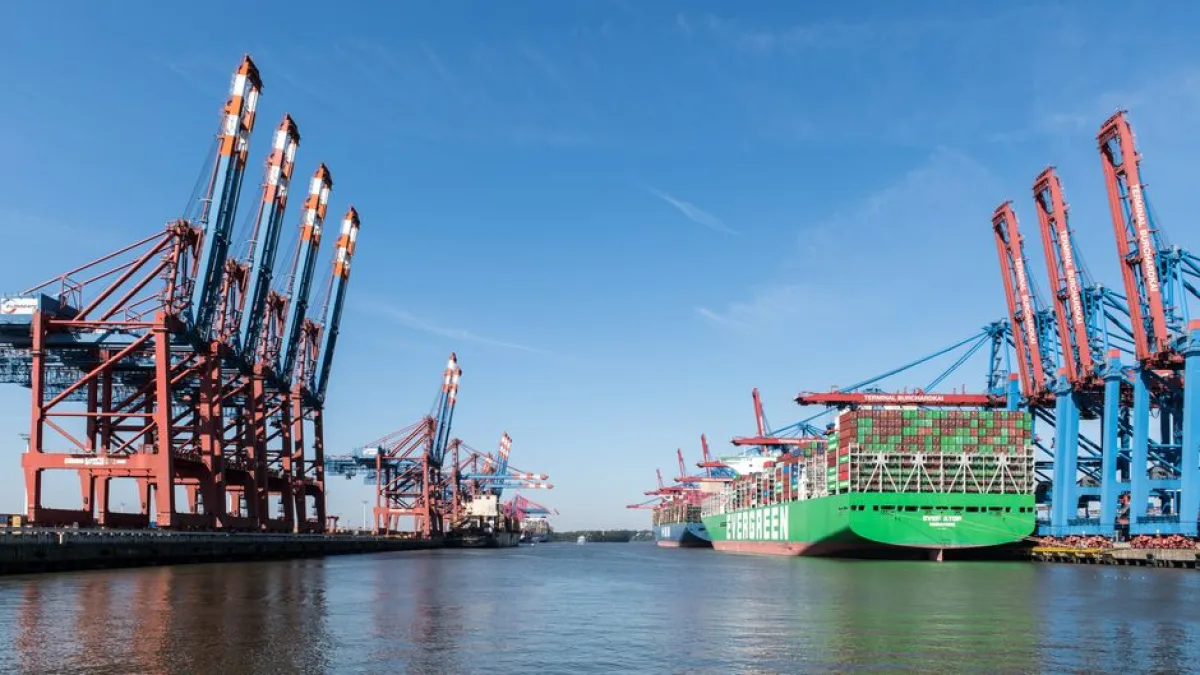
Mastering shipping and tracking processes requires a blend of advanced cloud technology and strategic operational oversight. By leveraging real time visibility, optimizing terminal handoffs, and utilizing data for long term planning, freight forwarders significantly improve their service quality. Start integrating these digital solutions today to simplify complex tasks, reduce avoidable costs, and provide your clients with the transparent, reliable experience they deserve in today's market.