Mastering Global Logistics with Advanced Shipping and Tracking
Wednesday, August 19 2026

In the modern logistics landscape, freight forwarding professionals face increasing pressure to provide absolute transparency from origin to destination. As global supply chains become more volatile, the ability to monitor cargo in real time transitions from a luxury to a fundamental business necessity. Leveraging cloud-based technology allows forwarders to move beyond manual processes and embrace automated insights that drive operational efficiency. By prioritizing sophisticated shipping and tracking capabilities, companies can minimize delays, reduce human error, and foster stronger relationships with clients who demand accuracy and reliability in an ever-changing international trade environment that requires constant vigilance and agility.
Optimizing Real Time Visibility
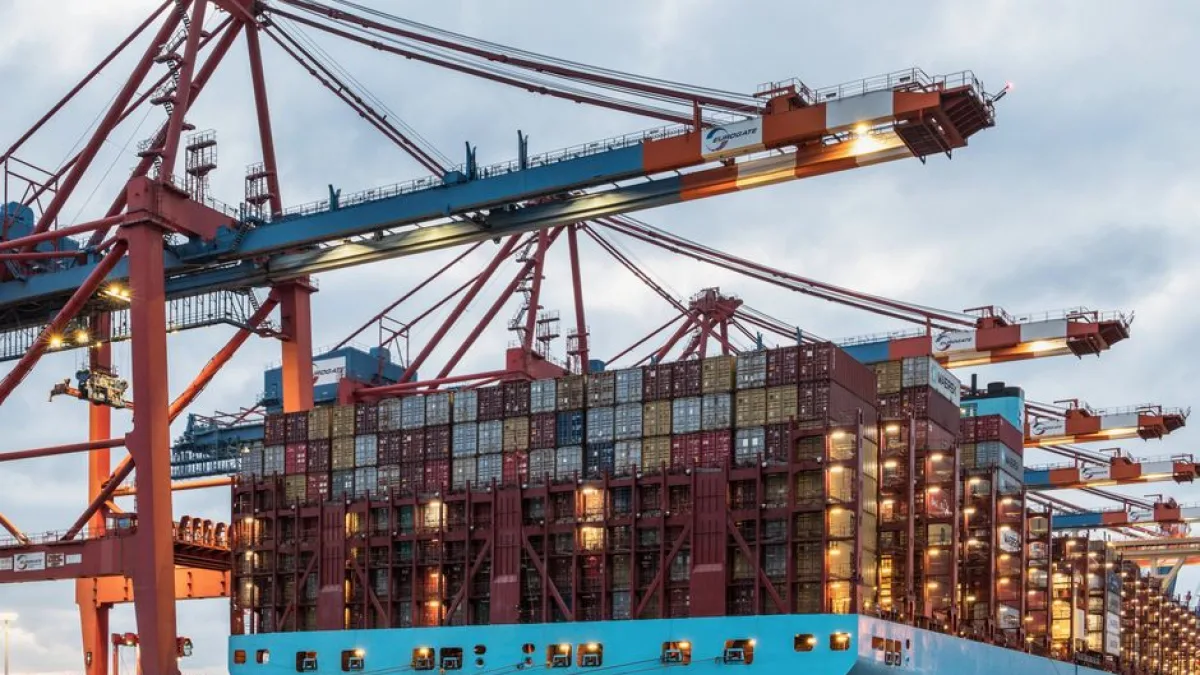
Achieving total shipment visibility requires a robust digital infrastructure that captures data points across every leg of the journey. Freight forwarders must integrate modern tracking software to ensure that stakeholders remain informed about precise location, current status, and potential delivery timelines.
- Automated status updates: Implementing automated notification systems ensures that all relevant parties receive instant alerts regarding movement milestones, which drastically reduces the time spent on manual status check inquiries.
- Satellite tracking integration: Utilizing advanced GPS and satellite monitoring allows companies to view container progress in real time across the open ocean where traditional cellular signals are unavailable.
- Data synchronization tools: Centralizing fragmented data streams into a single cloud dashboard eliminates information silos and provides a unified view of the entire shipment lifecycle for management.
- Proactive delay alerts: Detecting potential disruptions early enables logistics teams to pivot their strategy quickly, thereby avoiding significant bottlenecks and maintaining consistent service quality for end customers.
When forwarders prioritize real-time visibility, they gain a competitive edge by transforming data into actionable insights for their clients. This transparency builds deep trust and creates a foundation for long-term partnerships in a crowded marketplace. By moving away from reactive updates, logistics providers can demonstrate professional excellence and operational mastery while simultaneously reducing the high cost associated with lost inventory and communication gaps.
Managing Complex Multimodal Shipments
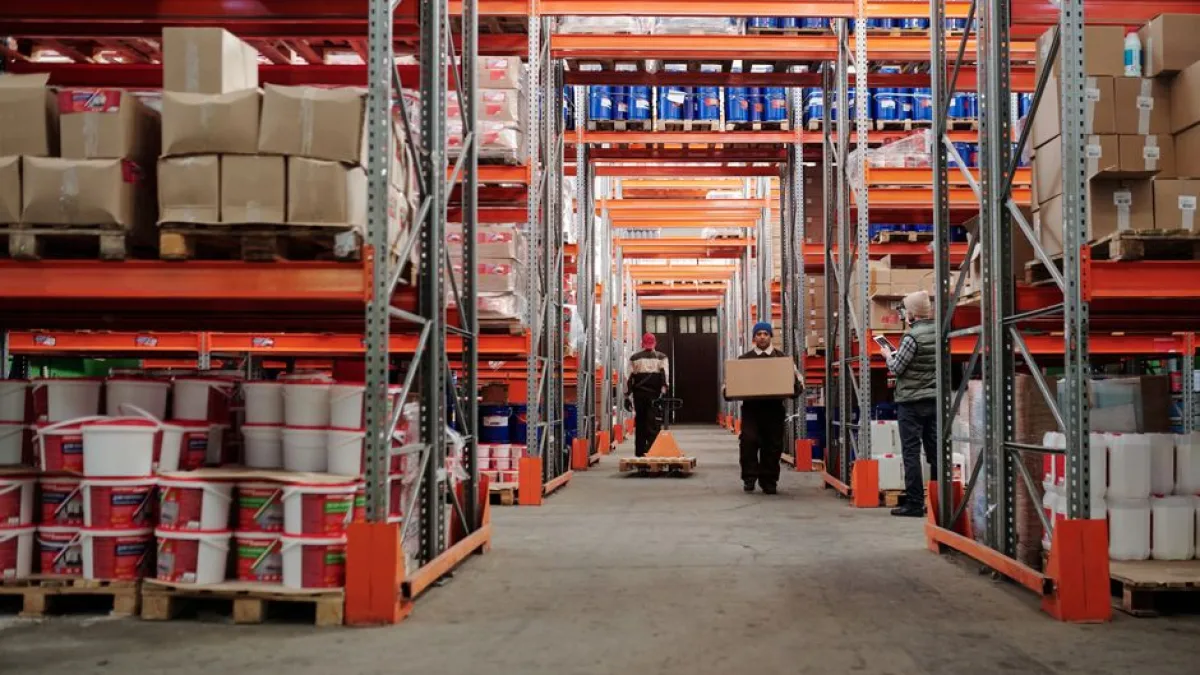
Coordinating transit across air, sea, and land requires meticulous oversight to maintain momentum. Software solutions provide the necessary framework to track handovers between different carriers, ensuring that documentation remains accurate while cargo moves through various checkpoints throughout the global transit route.
- Seamless carrier handovers: Tracking software captures critical transit data at every port of entry or transfer point, ensuring that cargo custody is always accounted for during intermodal transfers.
- Unified documentation access: Maintaining digital copies of bills of lading and customs forms within the tracking profile helps teams handle inspections and regulatory checks with speed.
- Transit time benchmarking: Analyzing historical performance data across different transport modes helps forwarders select the most efficient routes to minimize total lead times for high value shipments.
- Carrier performance analysis: Detailed tracking logs allow managers to evaluate carrier reliability over time, enabling data driven decisions when selecting partners for future international freight distribution tasks.
Successful multimodal management depends on the seamless flow of information between parties regardless of the transport mode. When systems effectively log these transitions, forwarders prevent common errors that cause expensive shipment delays. Adopting cloud technology facilitates this coordination by providing a single source of truth that simplifies the complexities inherent in modern global supply chains and improves overall service delivery performance.
Leveraging Predictive Analytics Tools
Predictive analytics represent the next frontier in logistics, allowing forwarders to anticipate shipping risks before they occur. By examining historical trends and current port congestion levels, professionals can make informed adjustments to their shipping schedules, thereby protecting cargo integrity and preventing costly transit failures.
- Congestion trend mapping: Software tools analyze global port density data to predict potential dwell times, helping forwarders choose alternative arrival ports to avoid significant vessel processing delays.
- Risk mitigation planning: Predictive models identify high risk regions or seasonal weather patterns, enabling proactive rerouting strategies that keep shipments on schedule during times of global uncertainty.
- Smart capacity management: Analyzing historical shipping volumes allows companies to forecast demand accurately, ensuring they secure enough space on vessels during peak seasons at competitive rates.
- Efficiency improvement metrics: Advanced analytics provide insights into recurring bottlenecks, which empowers management to implement structural process changes that enhance long term supply chain overall performance.
Integrating predictive intelligence into daily operations allows forwarders to shift from defensive logistics to strategic planning. This proactive approach not only safeguards client cargo but also optimizes resource allocation within the office. As technology matures, these data driven insights will continue to differentiate leaders from laggards, providing a robust framework for handling future market shifts and maintaining steady growth in profitability.
Enhancing Customer Communication Standards

Client satisfaction is directly linked to the quality and frequency of communication regarding their freight. Providing customers with a branded self-service tracking portal fosters transparency, empowers the end user, and reduces the administrative burden of handling frequent status requests over email or phone.
- Branded tracking portals: Providing clients with a personalized interface creates a professional brand experience that keeps them engaged and informed about their specific cargo progress status updates.
- Automated milestone reports: Scheduling periodic progress reports to be sent automatically to client email addresses ensures that they remain updated without requiring constant active human intervention.
- Proactive exception handling: Communicating shipment issues before the customer notices prevents frustration and shows that the forwarder is in control of the situation and acting quickly.
- Self service information: Allowing clients to download their own shipping documents through a secure portal improves the speed of information access and enhances overall account satisfaction.
Clear communication is the hallmark of a world-class freight forwarder. By adopting technology that empowers clients to track their own goods, firms can significantly lower overhead costs while improving service quality. When customers feel empowered by access to accurate, real-time data, they are far more likely to remain loyal to the provider, ensuring consistent revenue growth and a positive industry reputation.
Conclusion

Advanced shipping and tracking tools are essential for any freight forwarder seeking to thrive in today's digital global economy. By embracing automation, visibility, and predictive analytics, you can elevate your service levels while significantly reducing operational costs. Start your journey toward modernizing your logistics operations by implementing a robust cloud platform that connects your team, carriers, and customers into one cohesive and transparent ecosystem today.