Mastering Global Logistics with Advanced Shipping and Tracking
Tuesday, September 1 2026
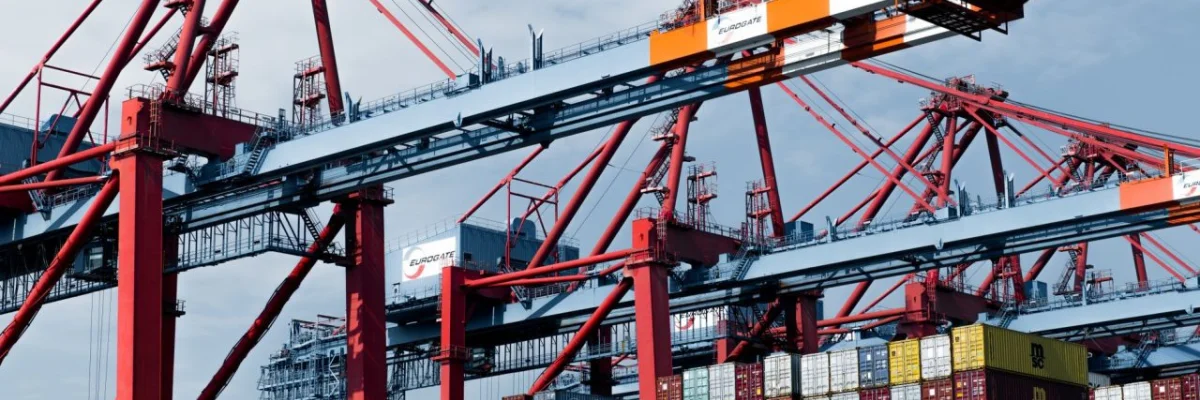
The modern logistics landscape demands unparalleled transparency and precision to maintain competitive advantage in global markets. As a freight forwarder, your ability to provide real-time updates and seamless cargo visibility is the cornerstone of client trust and operational success. Leveraging cloud-based technology allows firms to transition from reactive status checks to proactive shipment management. By integrating sophisticated tracking systems, you can identify potential bottlenecks before they disrupt the supply chain. This guide explores how embracing digital transformation empowers your team to deliver superior service levels while optimizing internal workflows for long-term growth and scalability in a volatile industry.
Optimizing Real-Time Visibility
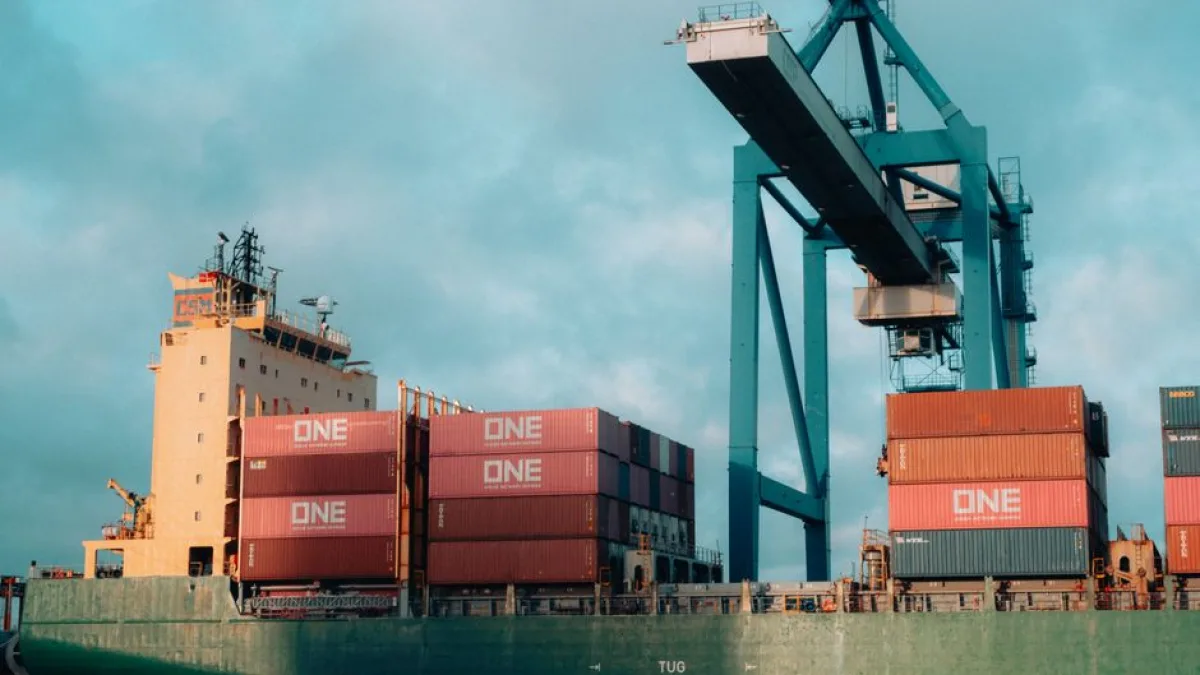
Real-time visibility represents the bridge between chaotic logistics operations and streamlined performance. By tracking shipments through digital platforms, forwarders gain immediate access to location data, allowing for rapid decision-making during unexpected transit delays or port congestion scenarios across the globe.
- Automated status updates: Deploying automated notification systems ensures that your clients receive immediate alerts regarding the movement of their freight, reducing manual communication burdens and enhancing overall customer satisfaction scores significantly.
- Centralized data dashboards: Consolidating shipment tracking data into a single interface allows your logistics team to monitor thousands of containers simultaneously, effectively eliminating the need for scattered spreadsheet-based inventory tracking.
- Proactive exception management: Advanced tracking software identifies transit discrepancies instantly, enabling your staff to implement contingency plans immediately before small delays spiral into costly logistical failures for your valued shippers.
- Enhanced shipment accuracy: Integrating GPS and IoT sensor data ensures that your internal records always match the physical location of cargo, providing a single source of truth for teams.
Adopting a proactive approach to shipment visibility transforms your service delivery model from a manual process into a high-tech advantage. When clients can access live data through a secure portal, they rely less on customer support representatives for basic updates. This transition allows your staff to dedicate more time to complex problem solving and strategic growth initiatives that drive higher profitability margins.
Leveraging Predictive Analytics Tools

Predictive analytics leverage historical shipment data to forecast potential transit hurdles with incredible accuracy. Forwarders who utilize these powerful digital insights can anticipate seasonal demand spikes or terminal disruptions, ultimately providing more reliable lead times to clients navigating an ever-changing international market.
- Demand forecasting accuracy: Predictive tools analyze past shipment volumes to help you anticipate upcoming capacity needs, ensuring your operations remain agile enough to handle sudden fluctuations in cargo volume.
- Route optimization insights: Data-driven analytics suggest the most efficient transit paths based on historical performance, helping you avoid historically congested ports and reducing total shipping time for customers.
- Risk mitigation planning: By evaluating weather patterns and regional labor conditions, your team can preemptively reroute cargo, significantly lowering the probability of damage or severe transit delays today.
- Historical performance benchmarking: Comparing past vendor performance against current metrics allows you to identify reliable partners, ensuring that your long-term logistics strategy remains built on proven success.
Harnessing the power of predictive analytics allows freight forwarders to stay ahead of the curve in a complex global environment. By converting raw data into actionable intelligence, your organization can offer clients competitive shipping options that prioritize reliability and efficiency. This analytical capability positions your firm as a strategic partner rather than just a service provider, fostering deeper long-term client relationships and loyalty.
Enhancing Supply Chain Transparency
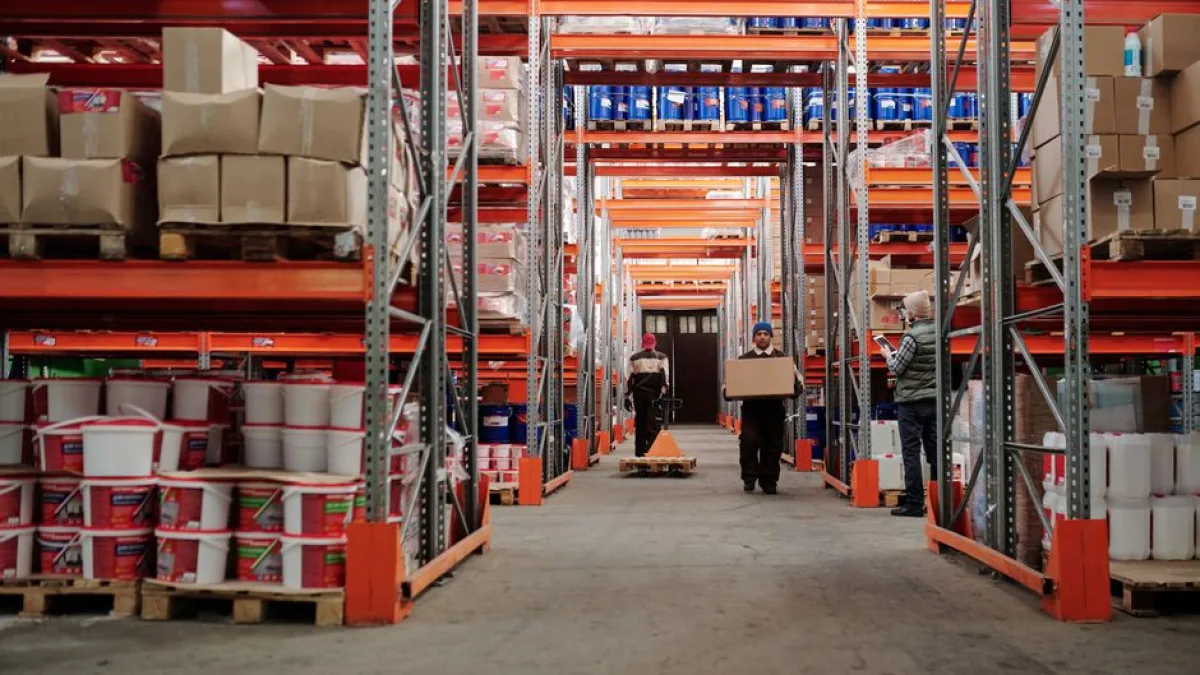
Transparency in logistics involves creating a clear communication chain that spans from the origin warehouse to the final destination point. Providing stakeholders with granular insights into the status of their freight cultivates deep trust and demonstrates a commitment to operational excellence throughout the entire shipping cycle.
- Detailed milestones reporting: Tracking specific milestones like customs clearance and port discharge provides clients with high-level clarity regarding the progress of their shipments throughout the global delivery journey.
- Digital documentation access: Securely storing bills of lading and customs invoices within your tracking platform ensures that all relevant parties have immediate access to necessary compliance documents.
- Customized client reporting: Tailored analytics reports help your customers understand their own supply chain performance, which empowers them to make better informed decisions regarding inventory management and procurement.
- Collaborative communication tools: Using integrated messaging features keeps your team and the customer on the same page, preventing the common misunderstandings that often arise during international transit operations.
Building a transparent supply chain requires more than just tracking containers on a map. It involves creating a cohesive ecosystem where information flows freely between all involved parties. When you offer clients complete oversight of their cargo, you reduce their anxiety and build confidence in your processes. This commitment to openness becomes a key differentiator that helps you win more enterprise-level contracts.
Streamlining Internal Communication Workflows

Internal communication is the engine that drives your freight forwarding operations forward. When teams effectively coordinate around shipment tracking updates, the entire process becomes faster and more resilient. Simplifying these interactions through cloud-based software tools ensures that every department works from consistent, up-to-date information at all times.
- Integrated task management: Assigning specific follow-up actions directly within your tracking software ensures that nothing falls through the cracks when a shipment experiences an unexpected delay or issue.
- Cross-departmental data sharing: Breaking down internal silos allows the sales, operations, and accounting teams to view the same shipment data, creating a more cohesive and efficient company structure.
- Automated internal alerts: Setting triggers for specific milestones ensures that your team knows exactly when to initiate the next step in the process, significantly accelerating cargo processing times.
- Centralized document management: Storing all communication logs and digital files in a central location eliminates the frustration of searching through email threads for critical shipment information daily.
Optimizing internal workflows leads to significant time savings and reduced administrative costs for your growing forwarding business. By digitizing communication, you empower your staff to focus on high-value tasks that directly impact your bottom line. As your team spends less time searching for information, they become more capable of managing larger volumes, effectively scaling your operations without requiring proportional increases in overhead.
Conclusion
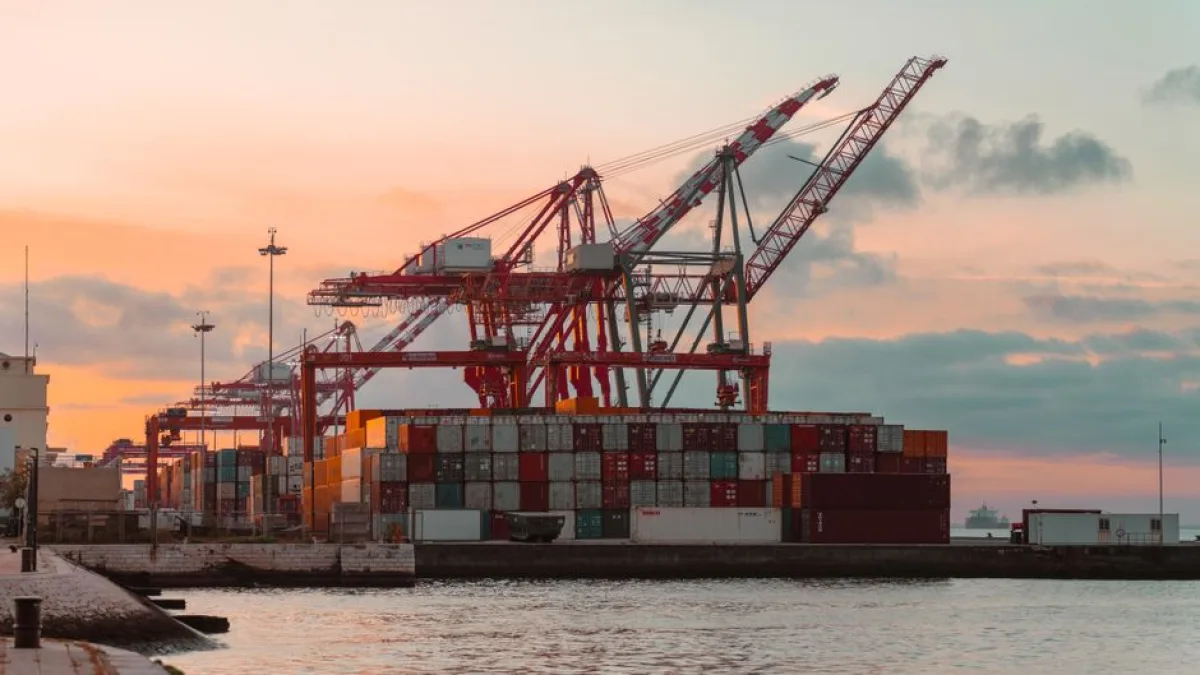
Mastering modern shipping and tracking is essential for any forwarder looking to thrive in today's fast-paced digital economy. By leveraging real-time data, predictive analytics, and clear communication, you can elevate your service levels and solidify your reputation as a market leader. Embrace these cloud-based solutions today to ensure your firm remains agile, competitive, and ready to meet the evolving demands of your clients.