Mastering Global Logistics with Advanced Shipping and Tracking
Friday, September 4 2026

The modern freight forwarding landscape is evolving at a breakneck speed, forcing logistics professionals to adopt sophisticated tools to remain competitive. Today, customers expect real-time visibility into their shipments from origin to final destination, making efficient tracking infrastructure a necessity rather than a luxury. By leveraging cloud-based platforms, forwarders can now synthesize vast amounts of supply chain data into actionable insights, reducing delays and enhancing overall service reliability. Understanding how to integrate these technological advancements is essential for any forwarder aiming to minimize operational friction and maximize client satisfaction in an increasingly volatile and fast-moving international trade environment.
Optimizing Real-Time Visibility
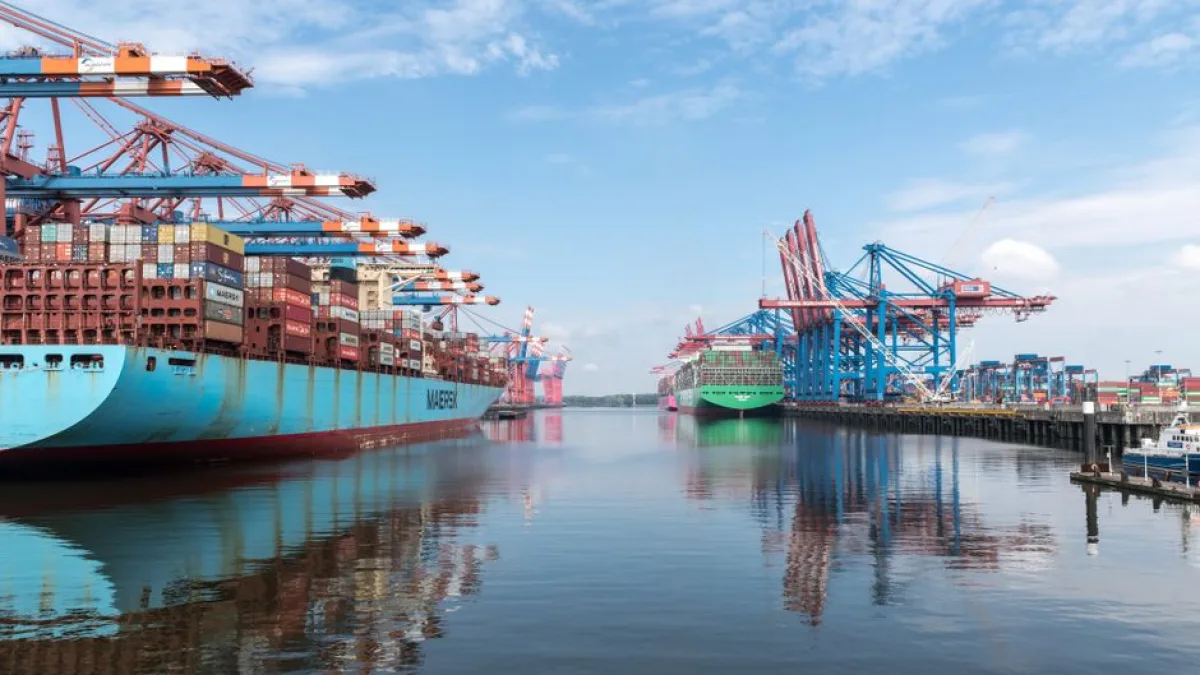
Real-time visibility serves as the backbone of modern freight operations, allowing forwarders to monitor cargo locations across diverse transit modes. By digitizing status updates, businesses can proactively manage disruptions and provide customers with accurate delivery projections that build long-term trust.
- Automated Status Alerts: Integrate smart software to send instant notifications regarding vessel movements or terminal events, which significantly reduces the need for constant manual status checks by your support staff.
- End-to-End Tracking: Implement comprehensive monitoring systems that provide a seamless view of goods during international transit, including ocean legs, road drayage, and final warehouse distribution arrival points.
- Data Accuracy Improvement: Utilize direct API connections with carrier portals to eliminate human data entry errors, ensuring that every stakeholder views consistent and reliable shipment progress information daily.
- Exception Management Tools: Deploy sophisticated algorithms that automatically flag delays or route changes, allowing your logistics team to intervene before small transit issues become major delivery bottlenecks.
Achieving total transparency helps logistics providers differentiate themselves in a crowded marketplace where speed is the primary currency. When your clients can check their cargo status via a secure portal at any time, your team can focus on complex problem solving rather than simple status reporting. This strategic shift not only reduces overhead costs but also elevates the professional reputation of your freight forwarding firm.
Enhancing Carrier Communication Channels

Strong communication lines between forwarders and carriers are critical for resolving shipping discrepancies quickly. Using integrated digital portals simplifies the exchange of documentation and transit updates, creating a single source of truth that helps teams stay synchronized throughout long cycles.
- Unified Messaging Systems: Consolidate all shipment related correspondence into a single platform to ensure that your operations team never misses a critical update from ocean or air carriers.
- Document Sharing Portals: Enable instant upload and retrieval of bills of lading or commercial invoices, which accelerates clearance processes and prevents costly delays at busy international customs checkpoints.
- Carrier Integration APIs: Connect your internal software directly with major shipping lines to receive automated milestone updates, removing the burden of manual status polling for your agents.
- Incident Resolution Tracking: Keep a permanent audit trail of all conversations regarding shipping exceptions, providing accountability and faster resolution paths for any disputes that arise during transport.
Effective communication strategies minimize the information gaps that typically lead to missed deadlines or incorrect routing. By centralizing documentation and correspondence within a robust digital ecosystem, freight forwarders gain a significant advantage in responsiveness. These tools empower your staff to manage more shipments with greater ease, ensuring that the critical information flow remains constant and accurate regardless of global distance.
Leveraging Predictive Analytics Tools

Predictive analytics allows freight forwarders to anticipate shipping risks before they occur, transforming operational strategy from reactive to proactive. By analyzing historical data and current market trends, firms can make informed decisions that optimize routing, reduce costs, and improve overall fleet efficiency.
- Route Optimization Modeling: Use advanced data analytics to identify the most efficient transit paths based on historical performance, seasonal weather patterns, and ongoing port congestion levels globally.
- Congestion Forecasting Tools: Gain early insights into potential bottlenecks at major hubs by monitoring dwell time trends and vessel lineups, allowing you to rebook shipments in advance.
- Reliability Scorecards: Evaluate carrier performance metrics over time to determine which partners offer the most consistent transit times, aiding better decision making for high value cargo.
- Trend Analysis Reporting: Generate comprehensive reports that highlight shifting market demands, helping your firm adjust capacity planning and pricing strategies to meet the future needs of customers.
Adopting predictive tools is no longer optional for firms that handle high volumes of international cargo. By anticipating potential disruption points, your team can pivot operations to avoid common pitfalls that plague traditional logistics models. Investing in these analytical capabilities provides a clear competitive edge, as you transition from simply moving boxes to providing high value strategic guidance for your client partners.
Ensuring Client Data Security

Protecting client data is paramount in an era where digital threats are increasingly sophisticated and frequent. Freight forwarders handle sensitive information, requiring robust cybersecurity protocols to maintain trust and regulatory compliance while managing the complex flow of digital logistics documentation across borders.
- Secure Cloud Storage: Utilize encrypted databases that safeguard sensitive shipment documents and client information, ensuring that proprietary business data remains protected from unauthorized access or malicious cyber attacks.
- User Access Controls: Implement strict authentication protocols that limit system access to authorized personnel, minimizing the risk of internal data leaks while maintaining high operational transparency standards.
- Compliance Tracking Systems: Automate the monitoring of security standards and industry regulations to ensure your operations align with evolving global requirements regarding digital trade and data privacy.
- Regular System Audits: Conduct periodic technical reviews of your platform infrastructure to identify potential vulnerabilities, effectively securing your digital supply chain against emerging threats or unforeseen hardware failures.
Security is the foundation of digital logistics, and your clients must feel confident that their trade data is handled with care. By prioritizing robust encryption and rigorous access management, you safeguard your firm against reputational damage and financial risk. A secure tracking environment facilitates smoother operations, ensuring that the essential flow of data remains protected while you continue to scale your international services.
Conclusion

Integrating advanced tracking and communication tools into your freight operations is essential for modern success. By embracing cloud technology and data-driven insights, you can enhance operational speed and provide unparalleled service to your clients. Start optimizing your digital logistics infrastructure today to stay ahead of industry demands. Contact the MakeCargo team to learn how our software helps you streamline your shipping and tracking workflows.