Mastering Global Logistics with Advanced Shipping and Tracking
Sunday, September 6 2026
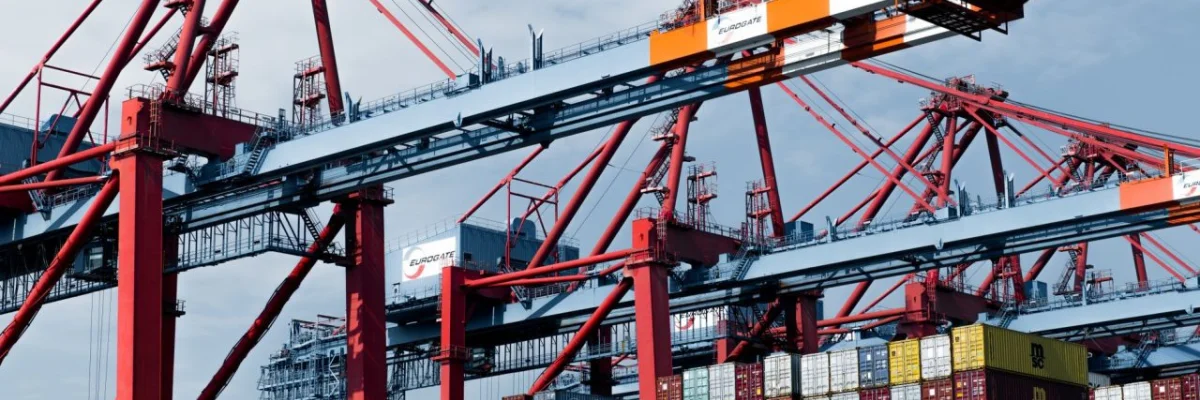
In the modern era of logistics, the demand for transparency and speed has transformed how freight forwarders manage their daily operations. Clients now expect real time updates on their cargo locations, forcing companies to move away from manual spreadsheets and legacy systems toward integrated digital platforms. At MakeCargo, we understand that effective tracking is not just about identifying a container location; it is about providing proactive communication that builds trust with your partners. By leveraging automated data flows and cloud technology, freight professionals can mitigate risks, improve operational efficiency, and deliver superior customer service in an increasingly volatile global market.
Optimizing Real Time Visibility
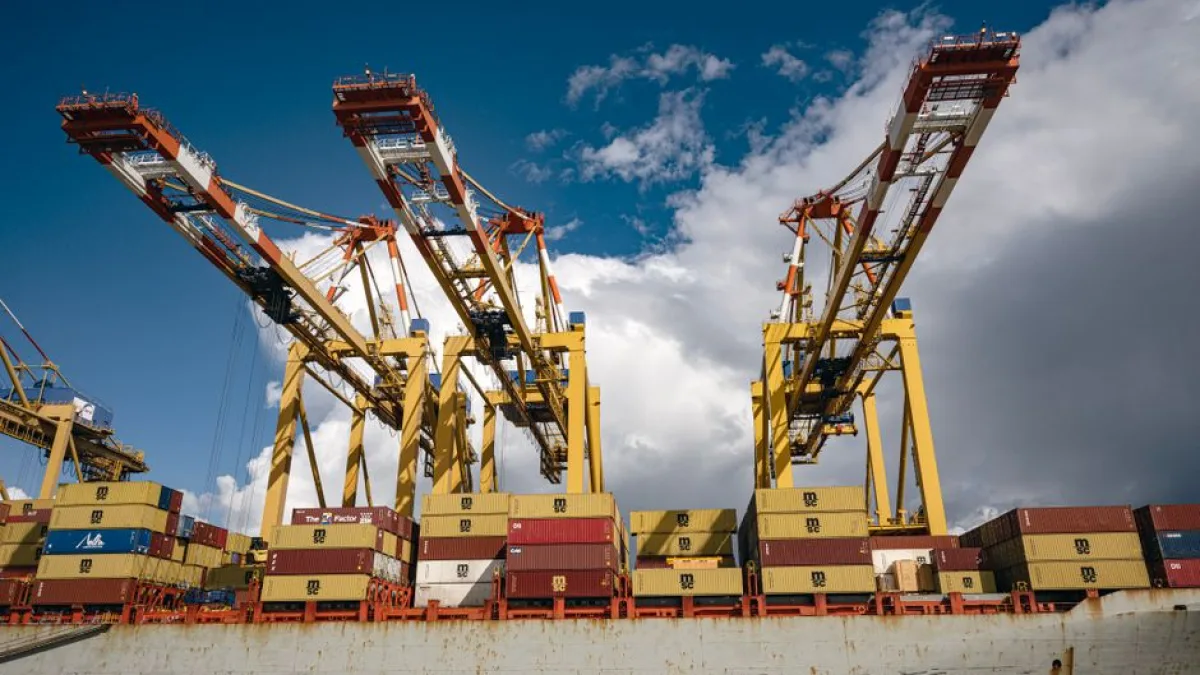
Digital visibility acts as the backbone of modern freight forwarding by ensuring that stakeholders remain informed throughout the journey. Integrating live data streams helps teams address delays before they escalate, ultimately reducing the pressure on customer support staff and logistics managers.
- Automated Tracking Updates: Integration with major shipping lines ensures that status notifications are pushed to your dashboard automatically, eliminating the need for manual checks and constant emails to carriers.
- Proactive Exception Management: Advanced systems identify potential bottlenecks in the supply chain early, allowing teams to reroute cargo and provide clients with accurate information regarding their shipment arrivals.
- Improved Client Trust: Sharing live tracking portals with your customers enhances their experience by providing transparent data that reduces anxiety and improves overall satisfaction with your logistics services.
- Data Driven Decisions: Access to historical transit data helps logistics planners analyze route performance and carrier reliability to make smarter choices for future cargo shipments and logistics operations.
By shifting to automated visibility tools, companies can finally move beyond reactive workflows that drain resources. Proactive management becomes the standard rather than the exception when your software provides a single source of truth. As tracking data becomes more granular, forwarders gain the upper hand in negotiations and service delivery, ensuring that they can handle complex global trade demands with confidence and professional precision.
Streamlining Documentation Workflows

Documentation remains a significant pain point for many freight forwarders, yet digital tools now allow for seamless integration between tracking data and shipping paperwork. Managing these documents efficiently reduces processing errors and accelerates the speed of trade lane transactions.
- Cloud Based Filing: Storing all shipping documents in a centralized digital repository makes retrieval instantaneous, ensuring that your team stays organized regardless of their physical work location.
- Automated Data Population: Modern software solutions automatically populate shipping forms using tracking data, which minimizes human entry errors and significantly speeds up the documentation approval process for exports.
- Secure Access Control: Role based permissions ensure that sensitive shipment documents are only accessible to authorized personnel, maintaining compliance with global trade security regulations and internal policies.
- Instant Document Sharing: Electronic delivery of invoices and bills of lading enables faster processing times, allowing shipments to clear customs without the typical delays associated with paper documentation.
Consolidating your documentation within a cloud platform creates a more efficient and error free environment for your operations. By reducing the reliance on manual inputs and physical files, you allow your team to focus on high level strategy rather than repetitive clerical tasks. This digital shift is essential for scaling operations effectively and meeting the demands of modern shippers who require rapid responses.
Enhancing Carrier Communication
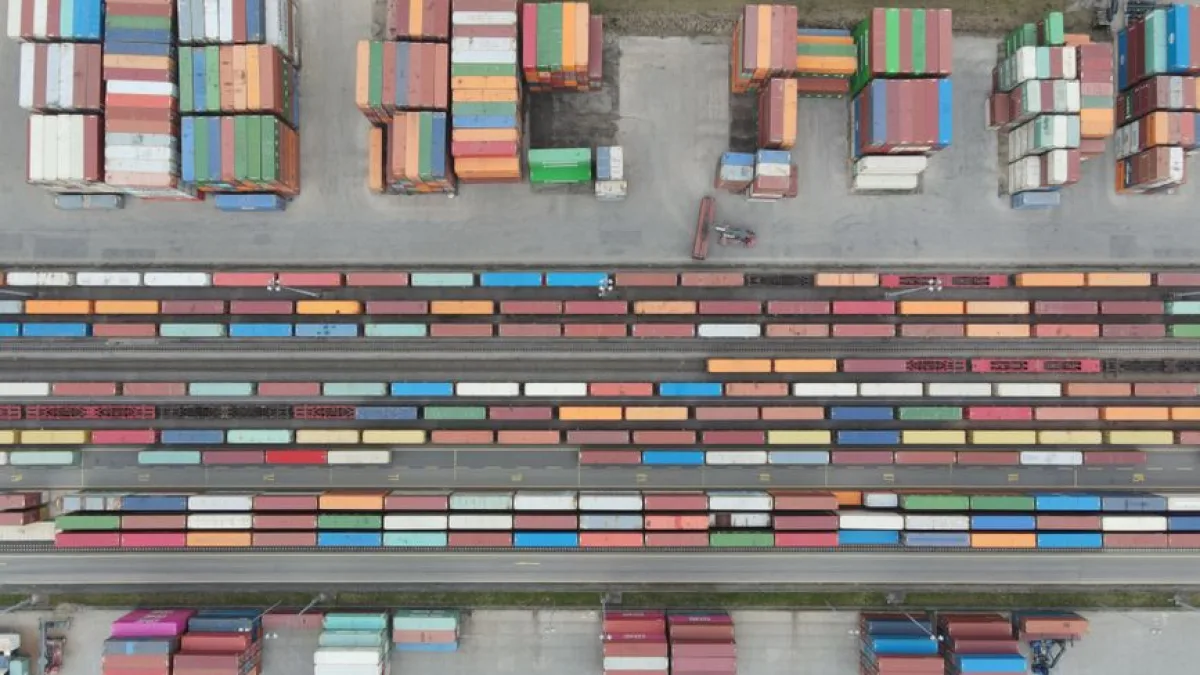
Maintaining clear communication with carriers is essential for successful tracking and timely delivery. Digital platforms that facilitate direct messaging and status updates bridge the gap between forwarders and carriers, creating a unified communication loop that prevents critical data from being lost.
- Integrated Messaging Channels: Centralizing conversations within your software platform keeps critical notes attached to specific shipments, preventing information silos that often occur when using disparate email chains.
- Real Time Carrier Alerts: Direct integration allows carriers to send automated alerts regarding weather delays or vessel schedule changes, which you can then relay to clients immediately.
- Performance Metric Tracking: Monitoring carrier response times and accuracy helps you identify reliable partners, allowing you to optimize your logistics network based on actual performance and quality.
- Unified Data Sharing: Providing carriers with digital access to specific instructions ensures that there is no ambiguity regarding cargo handling, which leads to fewer accidents and damage.
Effective collaboration with carriers is the secret to maintaining a smooth supply chain despite global disruptions. By utilizing shared digital spaces, both forwarders and shipping lines can resolve issues faster and align their operational goals. This improved level of communication leads to better predictability in schedules, reduced costs for all parties involved, and a much more reliable service offering for your valued clients.
Leveraging Advanced Analytics

Analytics tools transform raw tracking data into actionable intelligence, helping you optimize routes and pricing. By identifying patterns in your shipment history, you can uncover opportunities for cost savings and service improvements that might otherwise remain hidden beneath the complexity of daily logistics tasks.
- Route Efficiency Analysis: Evaluating the transit times and costs of different shipping routes allows you to select the most effective paths, helping you lower overall operating expenses.
- Predictive Capacity Planning: Analyzing historical shipment trends helps you forecast future capacity needs, ensuring that you can secure space with carriers during high demand periods effectively.
- Profit Margin Optimization: Detailed reporting on costs versus revenue per shipment provides a clear picture of your financial performance, identifying where you can adjust your pricing strategies.
- Supplier Reliability Metrics: Reviewing the long term performance of your suppliers and partners ensures that you maintain a high standard of quality across all your service offerings.
Data analytics is the final frontier in achieving competitive advantage within the freight industry. Moving from basic record keeping to strategic intelligence allows you to anticipate market changes rather than simply reacting to them. As your platform gathers more historical data, your ability to plan accurately and execute flawlessly grows stronger, setting your logistics business on a clear path to long term success.
Conclusion

Adopting advanced shipping and tracking solutions is no longer optional for freight forwarders who want to remain competitive in a digital world. By prioritizing visibility, documentation, communication, and analytics, you can streamline your operations and deliver exceptional value. Start exploring how MakeCargo can help you modernize your logistics workflows today and build a more resilient and profitable future for your freight business.