Mastering Global Logistics with Advanced Shipping and Tracking Tools
Saturday, October 3 2026

Modern freight forwarding is an intricate dance of coordination, speed, and absolute accuracy. As global supply chains grow increasingly complex, the ability to provide real-time visibility has evolved from a luxury feature into a fundamental operational necessity. Forwarders who leverage cloud-based platforms gain the advantage of centralized data, allowing them to anticipate bottlenecks and proactively resolve issues before they impact the end customer. By integrating sophisticated tracking software, logistics professionals can replace manual status updates with automated precision, building deeper trust with shippers and ensuring that cargo moves seamlessly through every international transit point without costly delays.
Optimizing Real-Time Visibility
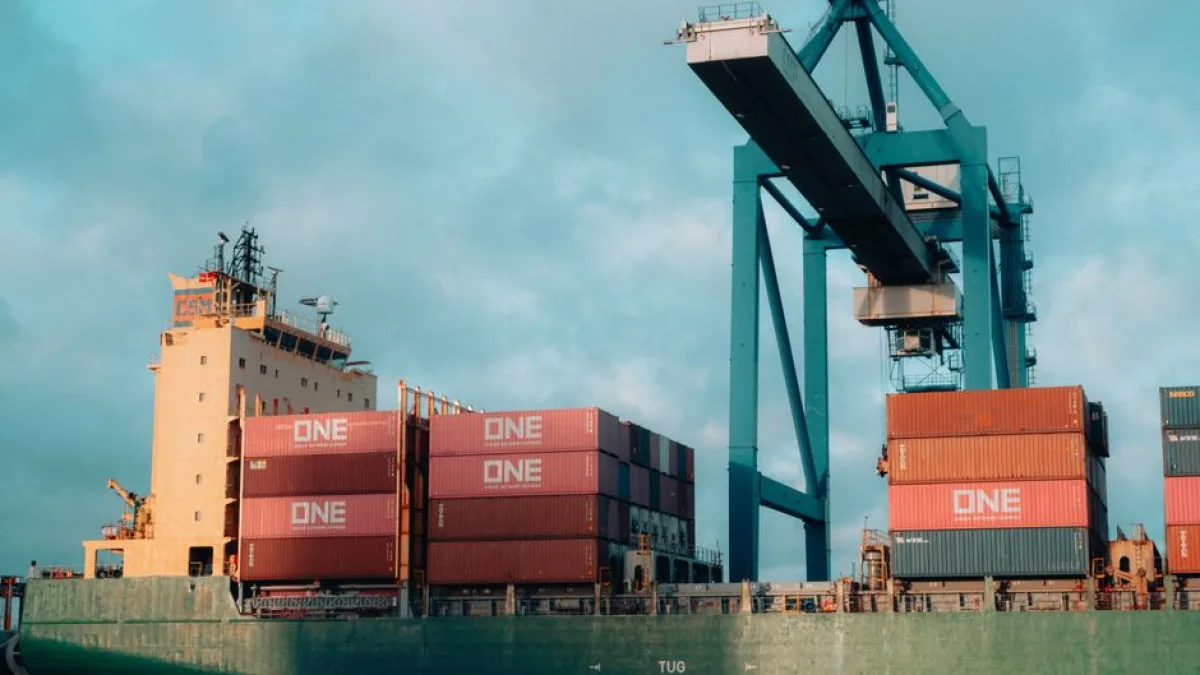
Digital visibility transforms how forwarders manage ocean and air shipments. By integrating live data feeds, logistics companies provide their clients with granular updates regarding vessel locations, terminal status, and potential delays, ensuring that transparency remains a core part of the shipping experience.
- Automated Status Updates: Eliminate manual reporting by enabling automated trigger notifications that inform shippers and internal teams of key milestones achieved during the transit process in real time.
- Carrier Integration Hubs: Connect directly with major global shipping lines to pull accurate tracking data, reducing reliance on fragmented carrier websites and improving overall data consistency across departments.
- Proactive Exception Alerts: Configure intelligent system triggers that identify potential shipment delays immediately, allowing your operations team to implement contingency plans before minor issues turn into major disruptions.
- Unified Dashboard View: Consolidate all tracking information into a single intuitive interface that empowers customer service agents to answer client inquiries with speed, confidence, and total accuracy.
Adopting a unified tracking strategy is the hallmark of a resilient logistics business. By moving away from siloed information sources and embracing integrated platforms, forwarders gain a birds-eye view of their entire shipment portfolio. This heightened level of situational awareness not only prevents human error during data entry but also facilitates faster communication cycles that satisfy even the most demanding global trade partners today.
Strengthening Data-Driven Decision Making

Data acts as the backbone of modern freight forwarding success. When tracking systems record every interaction, they generate valuable performance metrics that reveal inefficiencies, identify carrier bottlenecks, and highlight opportunities for cost savings that were previously hidden within complex logistics chains.
- Carrier Performance Tracking: Monitor the on-time delivery rates of various shipping lines to identify which partners provide the most reliability and value for your specific trade lanes.
- Transit Time Analytics: Compare historical shipment data to current trends, helping you provide more accurate arrival estimates to your clients while optimizing your future routing strategies consistently.
- Operational Bottleneck Identification: Pinpoint exactly where cargo spends too much time waiting, whether it is at customs clearance or local drayage points, to streamline your internal work processes.
- Custom Report Generation: Utilize advanced reporting tools to extract actionable insights from your freight data, which you can share with stakeholders to prove your operational value.
Transforming raw tracking data into actionable intelligence is a competitive differentiator in the freight industry. Forwarders who analyze their historical performance can negotiate better rates with carriers, improve their internal service level agreements, and design more efficient logistics workflows for their customers. This analytical approach moves your firm beyond basic task execution, positioning you as a strategic partner capable of driving sustainable growth.
Enhancing Customer Communication

Clear communication is the primary bridge between a forwarder and a satisfied shipper. Advanced tracking tools provide clients with self-service portals, reducing the need for constant phone calls and emails while ensuring that stakeholders remain informed throughout every shipping stage.
- Client Self-Service Portals: Grant your shippers 24/7 access to their own tracking information, reducing the administrative burden on your staff while simultaneously increasing overall client satisfaction levels significantly.
- Branded Tracking Interfaces: Customize tracking pages with your corporate logo and color scheme to maintain brand consistency throughout the customer journey from departure to final delivery arrival.
- Streamlined Communication Logs: Attach relevant documents and internal notes directly to specific shipment files to ensure that all parties have access to the same current information.
- Automated Milestone Reporting: Schedule personalized email or SMS updates for your clients to ensure they receive critical information exactly when they need it most for their planning.
Investing in digital communication tools directly impacts your company reputation and long-term client retention. When shippers can track their cargo without waiting for email responses, they perceive your firm as more professional and reliable. By removing friction from the communication process, your team gains time to focus on complex logistics challenges that require human expertise, ultimately creating a more valuable service experience.
Scaling Through Cloud Technology

Cloud-based infrastructure is essential for forwarders looking to scale their operations globally. By housing tracking data in a secure, accessible environment, your firm can support remote teams and facilitate seamless international collaboration across different time zones and regional logistics centers.
- Seamless Cloud Access: Allow your staff to manage shipments and update tracking statuses from any location, fostering a flexible work environment that adapts to global market needs.
- Data Security Standards: Utilize robust cloud infrastructure that protects sensitive shipment information from unauthorized access, ensuring compliance with international data protection laws and industry security standards.
- Platform Scalability Features: Expand your logistics operations quickly by adding new users and data volumes without the need for complex internal server maintenance or hardware investment.
- System Integration Flexibility: Leverage open APIs to connect your tracking platform with other essential business tools, including accounting software and warehouse management systems for total synchronization.
Cloud technology serves as the foundation for modern freight forwarding excellence. It eliminates the traditional barriers to growth by providing a flexible framework that supports rapid expansion and technological agility. By migrating your logistics operations to the cloud, you ensure that your firm remains at the cutting edge of industry standards while maintaining the reliability that your global partners depend on every day.
Conclusion

Mastering shipping and tracking is no longer just an operational requirement but a strategic necessity for freight forwarders. By embracing cloud technology, leveraging data analytics, and prioritizing clear client communication, your firm can transcend basic service levels to become a vital partner in global trade. Start optimizing your logistics workflows today to ensure your business remains competitive, resilient, and ready for future challenges.