Mastering Global Logistics with Advanced Shipping and Tracking Systems
Monday, October 5 2026

Modern freight forwarding requires more than just moving goods from point A to point B. It demands precision, transparency, and real time data to satisfy complex supply chain requirements. As global trade becomes increasingly volatile, professionals must leverage advanced digital tools to maintain operational excellence and customer satisfaction. By integrating cloud based platforms like MakeCargo, forwarders can eliminate manual errors, reduce operational bottlenecks, and provide clients with the visibility they expect in today's digital age. This guide explores the essential components of shipping and tracking strategies that empower modern logistics teams to thrive amidst growing competitive pressures and changing international trade regulations.
Optimizing Shipment Visibility
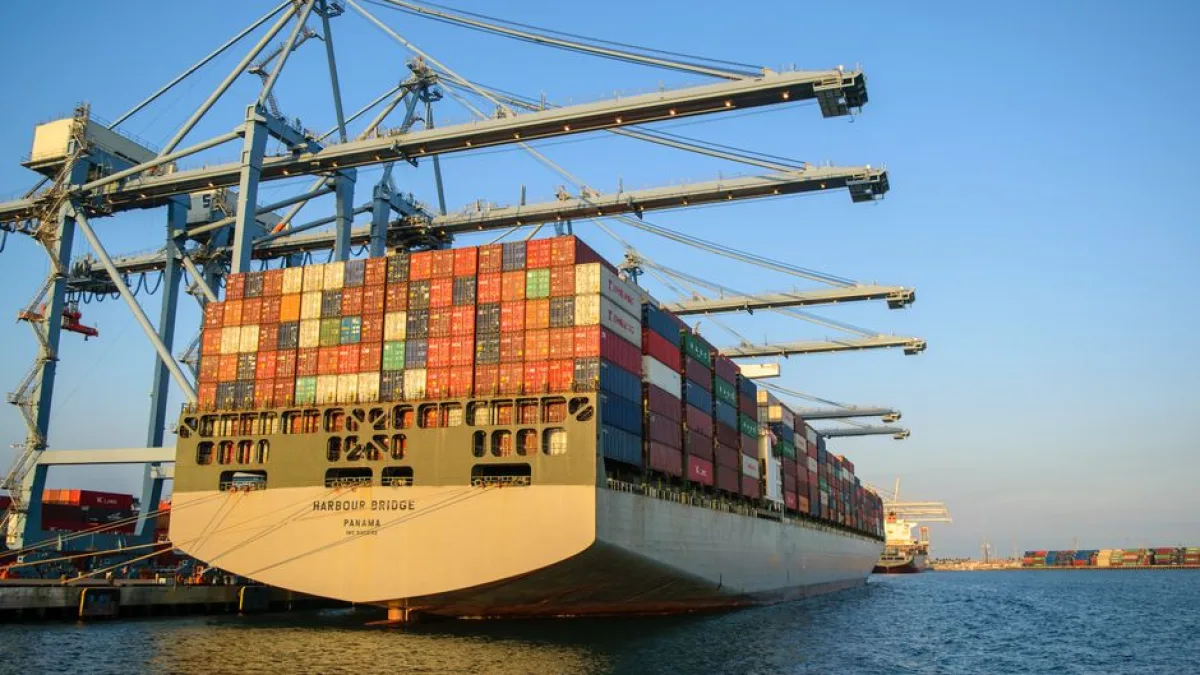
Visibility acts as the foundation of modern logistics management. By utilizing real time tracking technologies, forwarders can monitor container locations precisely while anticipating potential delays. This transparency helps build client trust and allows for proactive communication when unexpected port congestion or transit issues arise.
- Real Time Monitoring: Advanced digital platforms provide instant status updates on every shipment, allowing teams to react quickly to delays and keep stakeholders informed throughout the transit process.
- Automated Status Alerts: Automated systems send notifications to clients and internal teams whenever a container reaches a milestone, reducing the need for manual status checks and email inquiries.
- Predictive Delay Analytics: Data driven insights allow forwarders to anticipate potential disruptions before they impact the final delivery schedule, ensuring smoother operations and happier customers across all trade lanes.
- Enhanced Client Portals: Providing customers with direct access to tracking dashboards fosters transparency, minimizes communication backlogs, and establishes your firm as a reliable and modern logistics partner.
Achieving total shipment visibility transforms the customer experience by replacing uncertainty with hard data. When forwarders master these tools, they move beyond simple transport services to become integral supply chain partners. This shift not only improves current operations but also secures long term loyalty in a crowded marketplace where information is the most valuable currency for success in global freight forwarding.
Streamlining Documentation Workflows

Documentation remains a significant pain point for many freight forwarders, often leading to costly delays and administrative burdens. Digitizing these workflows ensures that customs forms, bills of lading, and commercial invoices are handled with speed, accuracy, and full compliance for every international shipment.
- Automated Document Generation: Cloud software tools create shipping documents automatically using prefilled templates, which drastically reduces manual entry errors and saves hours of administrative labor each working week.
- Secure Cloud Storage: Centralized digital document repositories ensure that every team member has immediate access to critical paperwork, eliminating lost files and improving overall team coordination and compliance.
- Customs Compliance Automation: Integrated software features check documentation against current international regulations, helping prevent costly fines and shipment holds during the sensitive customs clearance process at border checkpoints.
- Electronic Signature Integration: Using digital signature tools accelerates the signing process for partners and clients, removing the friction of printing, scanning, or mailing physical copies of key transport documents.
Efficient documentation management creates a seamless flow of information that drives operational speed. By removing paper based bottlenecks, your team can focus on complex logistics strategy rather than administrative tasks. This digital transition is vital for scaling business operations and maintaining high service standards while handling an increasing volume of global shipments in a competitive and fast paced industry.
Integrating Partner Communication

Successful freight forwarding relies on seamless collaboration between carriers, agents, and ground teams. Integrating communication within your tracking platform ensures that every stakeholder has access to the same information, which prevents data silos and minimizes mistakes during complex multi modal transport operations.
- Unified Messaging Hubs: Centralizing communication tools prevents vital shipment information from getting buried in email chains, ensuring all team members stay aligned on current shipment priorities and requirements.
- Carrier Data Integration: Direct API connections with major carriers allow for the automatic exchange of tracking data, providing consistent updates without requiring manual entry or repeated follow ups.
- Agent Network Collaboration: Dedicated portals for global agents facilitate smooth handoffs, enabling teams in different time zones to update shipment details and resolve issues without constant email friction.
- Instant Stakeholder Notifications: Automated internal alerts keep all relevant parties informed about status changes immediately, creating a synchronized workflow that accelerates the decision making process for complex global consignments.
Strong integration transforms communication from a challenge into a competitive advantage. When every participant in the shipping process shares a unified view of the data, efficiency increases dramatically and errors decrease. Modern freight forwarders who master these integrated communication flows gain the agility needed to handle unforeseen challenges, ultimately delivering a superior service level that sets them apart from traditional competitors.
Leveraging Data for Strategy

Data is the engine of modern logistics. By analyzing historical shipping patterns and performance metrics, forwarders can make smarter decisions regarding carrier selection, route optimization, and pricing strategies that directly improve bottom line profitability while maintaining high quality service standards for their global customer base.
- Performance Metric Tracking: Monitoring key performance indicators helps identify which carriers provide the most reliable service, allowing your team to optimize future routing choices based on historical reliability data.
- Cost Trend Analysis: Studying historical shipping costs helps uncover opportunities to negotiate better rates or consolidate shipments, leading to significant financial savings and improved margins for your logistics firm.
- Route Optimization Tools: Advanced analytics help identify the fastest and most cost effective transit routes, balancing the need for speed with the reality of current global shipping market conditions.
- Customer Behavior Insights: Tracking service usage helps identify which clients provide the best growth opportunities, allowing your sales team to tailor service offerings and nurture more profitable account relationships.
Data analytics empowers forwarders to transition from reactive troubleshooting to proactive business planning. By consistently measuring performance and adapting strategies based on real time insights, your firm will achieve greater efficiency and sustained growth. As market conditions evolve, leveraging these analytical tools ensures your business remains resilient, profitable, and ready to meet the future demands of an increasingly complex global freight industry.
Conclusion

Mastering modern shipping and tracking tools is essential for any forwarder aiming to succeed today. By prioritizing visibility, automating documentation, improving communication, and using data, you can build a robust logistics business. Start implementing these cloud based solutions within your daily operations to drive efficiency and client trust. MakeCargo provides the tools you need to stay ahead and elevate your logistics services.