Mastering Global Logistics with Advanced Shipping and Tracking
Tuesday, October 6 2026
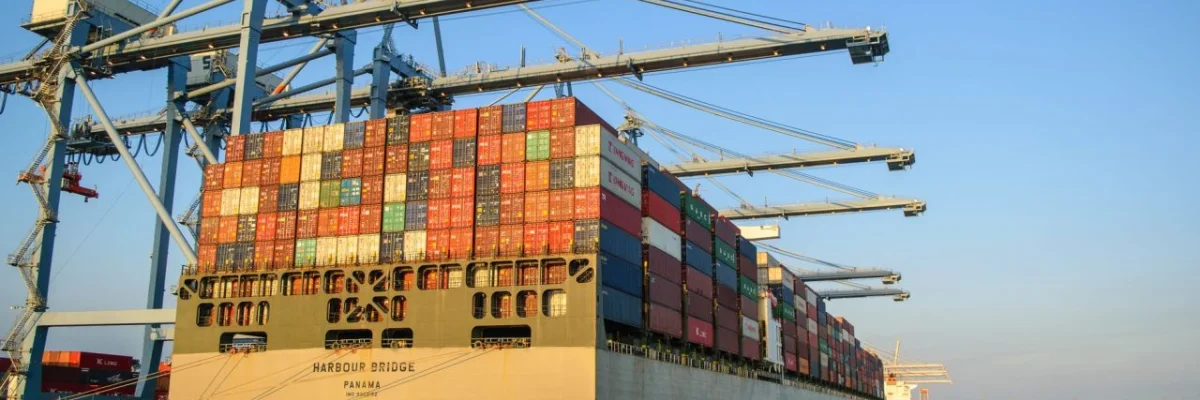
The modern freight forwarding industry operates in a landscape of unprecedented complexity and demand. With global supply chains becoming increasingly fragile and volatile, the ability to provide accurate, real-time updates has shifted from a competitive advantage to a fundamental necessity. Freight professionals must leverage sophisticated digital tools to manage expectations and maintain visibility across multi-modal transport networks. By embracing cloud-based automation and data-driven insights, forwarding companies can mitigate risks and enhance operational efficiency. This guide explores the essential components of modern tracking systems, helping you build a resilient logistics strategy that consistently delights your clients and keeps your cargo moving efficiently forward.
The Evolution of Visibility
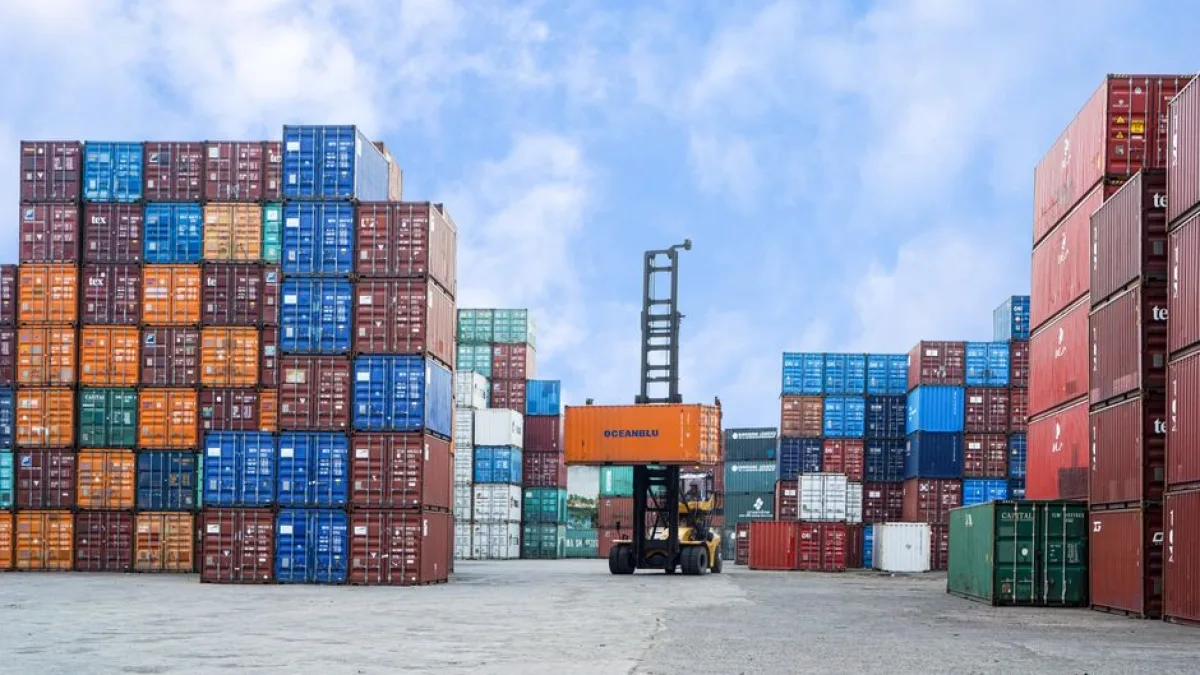
Real-time visibility has completely transformed the shipping sector, moving beyond simple status updates to comprehensive end-to-end oversight. By integrating cloud technology, forwarders can now visualize every stage of the transit process, ensuring that cargo flow remains predictable despite global infrastructure challenges.
- Automated Status Updates: Modern platforms automatically sync carrier data to provide live status reports, reducing manual labor and eliminating human error while ensuring clients stay fully informed about their shipments.
- Data Integration Capabilities: Connecting your freight software with global carrier networks allows for seamless information exchange, providing a single source of truth for both your operations team and clients.
- Predictive Arrival Forecasting: Using advanced algorithms, software predicts arrival times based on current port congestion and weather patterns, helping teams proactively manage potential delays before they impact the final delivery.
- Proactive Issue Resolution: When data highlights a bottleneck, your team can pivot strategies immediately, ensuring that cargo stays on schedule and minimizing the costs associated with unexpected long-term storage fees.
- Client Portal Access: Providing customers with a branded tracking portal empowers them to check status independently, significantly reducing the volume of manual inquiries that your customer support team receives daily.
Integrating these visibility tools does more than just simplify daily workflows for your team. It builds long-term trust with your shippers by providing total transparency throughout the entire transit lifecycle. When clients can see the journey of their goods with such precision, the relationship evolves into a strategic partnership. Investing in these technologies today is the key to maintaining a competitive edge in a crowded marketplace.
Optimizing Shipment Documentation

Documentation remains the backbone of international shipping, yet it is often the most time-consuming task for freight forwarders. Digital document management systems now allow for the instant processing of bills of lading and customs declarations, keeping global logistics moving without friction.
- Electronic Document Storage: Secure cloud storage keeps all critical shipping documents organized, accessible, and searchable, ensuring that your team never loses time hunting for paperwork in disorganized physical or digital folders.
- Automated Customs Filing: Digital tools streamline the submission of necessary customs paperwork, reducing the risk of administrative errors that can cause expensive cargo holds at borders and port entry points.
- Instant Sharing Protocols: Enable instant collaboration by sharing verified documents with shippers and consignees, effectively cutting down on wait times and ensuring that all parties operate from the exact same information.
- Version Control Systems: Advanced software tracks all changes made to a document, providing an audit trail that is essential for compliance and resolving disputes during the international cargo transportation process.
- Compliance Monitoring Tools: Automated alerts notify you when documents are nearing expiry or missing required signatures, helping your company maintain perfect regulatory standing while avoiding heavy fines during surprise border inspections.
By shifting to a fully digital documentation workflow, freight forwarders save countless hours that would otherwise be spent on repetitive manual data entry. This optimization allows your talented staff to focus on higher-value tasks, such as business development and client relationship management. A paperless environment not only improves your environmental footprint but also boosts your bottom line by reducing the overhead of handling physical records.
Leveraging Real-Time Analytics

Data is the most valuable asset in the modern freight industry, offering deep insights into performance trends and carrier reliability. By analyzing historical transit data, forwarders can identify bottlenecks and optimize route planning, leading to more sustainable and cost-effective shipping operations for every client.
- Carrier Performance Tracking: Monitor individual carrier reliability over time to ensure you only select partners who consistently meet your service level agreements and deliver goods on schedule and undamaged.
- Route Cost Analysis: Evaluate different transit paths based on historical cost and speed, allowing you to suggest the most economical and efficient logistics routes for your specific shipping requirements.
- KPI Monitoring Dashboards: Custom dashboards visualize your most important logistics performance indicators, giving you instant insight into the health of your operations and highlighting areas that need immediate management focus.
- Trend Identification Tools: Spot seasonal shifts in cargo volume or port congestion early, enabling your team to adjust capacity planning strategies and prevent the typical delays associated with peak season logistics.
- Actionable Business Intelligence: Turn raw logs into clear management reports that highlight profitability per lane, empowering leadership to make informed decisions that drive growth and long-term financial stability for your firm.
Analytics empower you to transition from a reactive model to a highly proactive logistical strategy. By understanding the nuances of your supply chain through data, you can anticipate problems before they arise and offer better solutions to your clients. This analytical approach creates a culture of continuous improvement, where every shipment contributes to a better understanding of how to optimize future global trade operations.
Enhancing Communication Efficiency

Effective communication is the cornerstone of successful freight forwarding, especially when managing complex global supply chains. Modern software solutions streamline inter-departmental collaboration and client interaction, ensuring that critical information is never lost in translation, even when dealing with multiple time zones and diverse international logistics partners.
- Internal Chat Integration: Keep all communication related to specific shipments within the relevant digital file, preventing critical messages from getting buried in unrelated email threads or disconnected instant messaging applications.
- Automated Email Notifications: Triggered alerts keep all stakeholders in the loop, providing timely updates without requiring constant manual drafting of status reports by your busy operations and dispatch teams.
- Client Inquiry Management: Centralize every request in one dashboard so that your team can track the history of every interaction, ensuring that no question goes unanswered and all clients feel valued.
- Collaborative Workflow Management: Assign tasks to specific team members within the software, allowing for clear accountability and ensuring that every step of the shipping process is handled by the right person.
- Mobile Accessibility Options: Ensure your team can manage cargo status and client requests from anywhere in the world, providing consistent service coverage that matches the 24/7 nature of international logistics.
Superior communication fosters strong partnerships that survive the fluctuations of the global freight market. When you provide timely and clear updates, you reduce the stress on your clients and build confidence in your capabilities. By centralizing all correspondence, you ensure that every member of your team has the information they need to assist any caller, creating a seamless service experience for your valued partners.
Conclusion

Success in modern freight forwarding relies on the seamless integration of technology and professional expertise. By adopting advanced tracking, automated documentation, and data-driven decision making, you provide your clients with the reliability they deserve in a volatile market. Start upgrading your digital infrastructure today to simplify your operations, improve team communication, and ensure your logistics business remains competitive, agile, and ready for future global industry growth.