Mastering Global Logistics with Advanced Shipping and Tracking
Thursday, October 8 2026
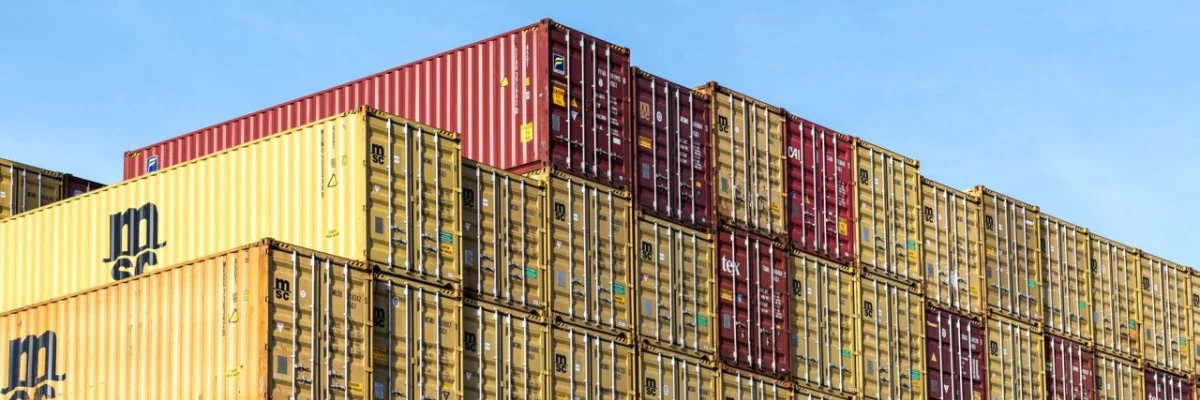
In the fast-paced world of international trade, the ability to monitor cargo movement with precision defines success for modern freight forwarders. Clients now demand real-time transparency across every touchpoint of the supply chain, forcing logistics providers to move beyond manual data entry and embrace digital transformation. By leveraging cloud-based platforms, professionals can gain deep insights into transit times, port congestion, and unexpected delays. This article explores how robust tracking strategies enable companies to optimize operations, improve communication, and deliver superior service in an increasingly volatile global shipping environment that prioritizes speed and reliability above all else.
Optimizing Real-Time Visibility
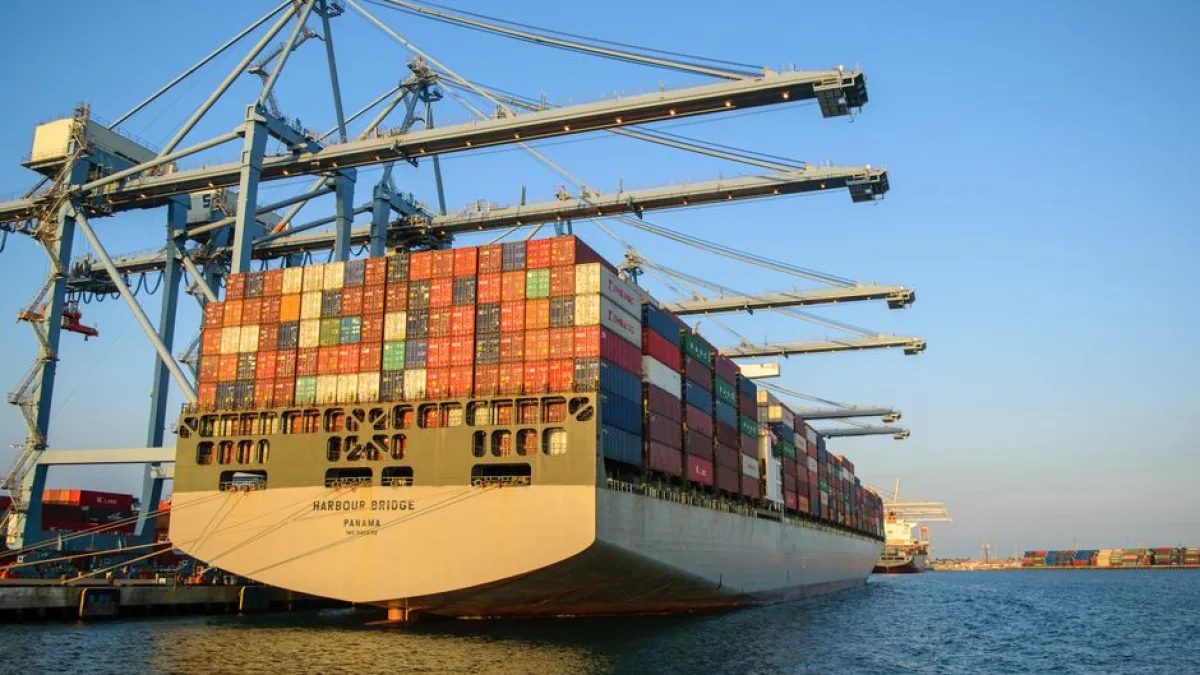
High-resolution visibility platforms offer freight forwarders the tools needed to monitor shipments across diverse global networks. By visualizing vessel paths and port status, teams can proactively manage exceptions and keep stakeholders informed throughout the entire complex international journey.
- Live Vessel Tracking: Integrate satellite-based GPS systems to monitor cargo vessels in real time, ensuring that teams can identify deviations from planned schedules before they become critical operational bottlenecks.
- Port Congestion Alerts: Utilize automated data streams that monitor port activity levels, allowing your dispatch team to reroute shipments or adjust client expectations before delays impact your delivery deadlines.
- Milestone Event Notification: Configure customized triggers that send automatic updates to customers whenever cargo reaches specific milestones, such as arriving at a transshipment hub or clearing customs documentation.
- Carrier Data Integration: Connect your software directly to global carrier databases to pull accurate, verified shipping data, removing the risk of human error during manual entry processes.
- Customized Dashboard Views: Create personalized tracking interfaces for your top clients, enabling them to view their specific shipment status without needing to contact your support desk for updates.
Adopting digital visibility tools transforms the client experience by moving from reactive communication to a proactive status model. When forwarders provide transparent data, they build trust and establish long-term partnerships with high-volume shippers. This shift reduces the volume of repetitive status requests sent to your team, allowing your staff to focus on high-value tasks that drive actual growth and revenue for the business.
Streamlining Documentation Workflows

Effective shipping depends on accurate documentation that flows seamlessly between global partners. Digitizing these workflows ensures that customs declarations, bills of lading, and commercial invoices are always accessible, reducing the potential for significant financial penalties or administrative errors.
- Cloud Document Storage: Maintain a centralized digital repository for all shipping documents, ensuring that every team member accesses the latest versions regardless of their physical location or time zone.
- Automated Data Capture: Implement intelligent scanning tools that extract essential information from paper documents, populating your freight platform fields automatically to save hours of manual typing effort every week.
- Digital Approval Chains: Define electronic workflows for document approval, ensuring that compliance managers review high-risk paperwork before it is submitted to customs authorities or international transport partners.
- Secure Sharing Portals: Provide clients and partners with secure access to view and download relevant shipping documents, which eliminates the need for insecure email attachments and slow physical postage.
- Version Control Systems: Track changes to shipping documents in real time, preventing confusion over conflicting information while maintaining a clear audit trail for compliance and insurance verification purposes.
Standardizing document management minimizes delays at border crossings where incomplete paperwork is often the primary cause of cargo storage fees. By centralizing these assets, logistics firms can maintain audit readiness while simultaneously improving the speed of their operations. This organized approach to documentation ensures that cargo moves through customs checkpoints without unnecessary friction, which ultimately protects your bottom line and improves overall service delivery metrics.
Leveraging Predictive Analytics

Predictive analytics allows freight forwarders to forecast future delays by analyzing historical shipping data and current environmental conditions. This data-driven approach moves companies away from guessing arrival dates, allowing for more strategic capacity planning and resource allocation for their clients.
- Historical Trend Analysis: Use historical transit data to identify recurring seasonal delays, enabling your team to recommend alternative routes or earlier shipping dates to clients before problems emerge.
- Transit Time Forecasting: Apply machine learning algorithms to calculate more accurate estimated times of arrival based on real-world vessel performance data rather than standard carrier contract timelines.
- Capacity Planning Tools: Forecast your future demand based on upcoming shipment volumes, ensuring that you always have enough space booked with ocean carriers to meet your diverse client needs.
- Risk Assessment Modeling: Identify high-risk corridors or carriers based on performance data, empowering your team to proactively suggest safer or faster alternatives that mitigate potential shipment damages.
- Performance Benchmarking: Compare different carrier routes against your own internal performance metrics to continuously optimize your network and select the most reliable partners for your business operations.
Data-driven forecasting turns raw logistics numbers into actionable business intelligence that provides a distinct competitive advantage in the marketplace. When forwarders can predict potential issues, they demonstrate expertise that justifies premium pricing for their services. Using these analytics to optimize routes and carrier selection ensures that shipments remain on schedule, which helps clients manage their own inventory levels with much higher confidence.
Enhancing Customer Communication

Clear communication remains the backbone of the freight industry, even as technology continues to evolve. Providing clients with consistent, accurate updates via an integrated customer portal ensures that they feel connected to their cargo from origin to the final destination point.
- Centralized Communication Hub: Aggregate all shipment-related emails, chats, and calls into a single thread attached to the specific order, ensuring that no important instructions or updates are ever lost.
- Automated Client Alerts: Schedule proactive status emails that fire automatically when shipments cross borders or reach key transit hubs, saving your team from constant manual status updates.
- Interactive Feedback Loops: Implement simple customer feedback mechanisms at the end of each shipment cycle to gather insights on service quality and identify areas for internal operational improvement.
- Proactive Exception Management: Reach out to clients immediately when a delay is detected, offering solutions or contingency plans to demonstrate your team's commitment to solving complex logistics problems.
- Branded Tracking Pages: Utilize white-label tracking portals that feature your own company branding, creating a professional and seamless experience that reinforces your firm's identity during the delivery phase.
Building a robust communication strategy helps you stand out in a crowded market by prioritizing the client experience. When shippers feel confident that you have complete control over the movement of their goods, they are much more likely to repeat business and refer new accounts. Proactive service is the foundation of successful freight forwarding and the key to long-term profitability in logistics.
Conclusion
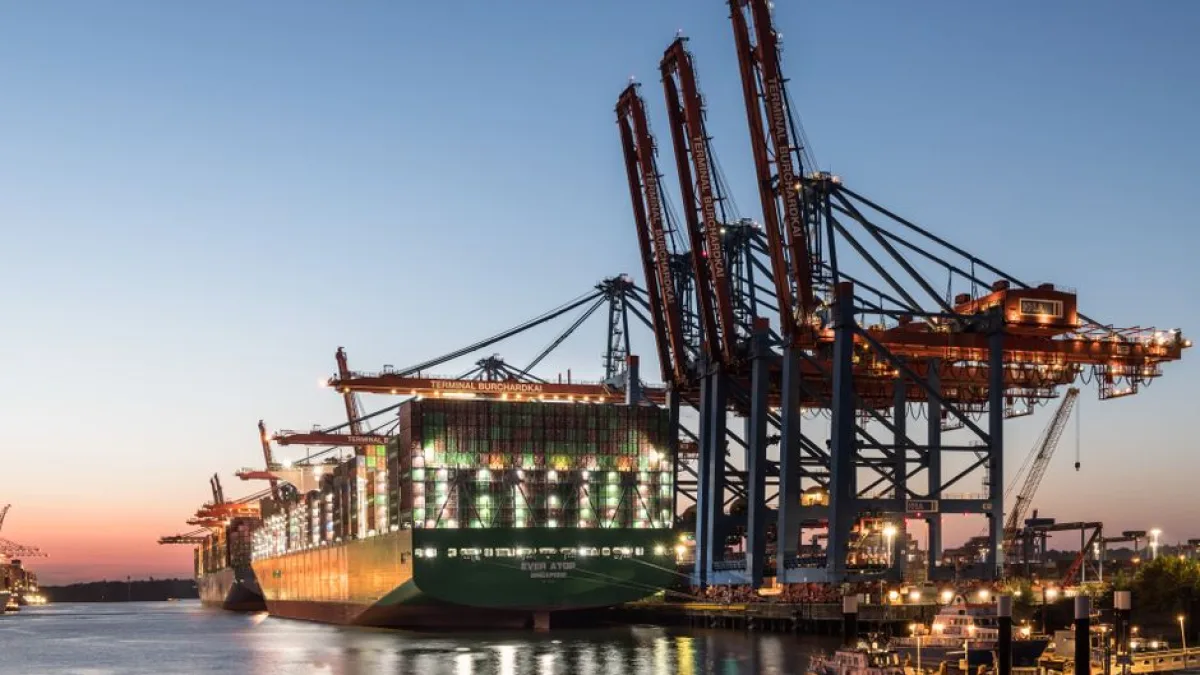
Mastering shipping and tracking is essential for modern freight forwarders who want to thrive in a competitive global market. By combining real-time visibility, digitized documentation, and predictive analytics, you can offer superior service that builds lasting trust with your clients. Start leveraging these advanced tools today to streamline your logistics workflows, reduce operating costs, and position your company for sustainable future growth.