Mastering Global Logistics with Advanced Shipping and Tracking
Friday, October 9 2026

In the fast-paced world of international trade, the ability to track shipments with absolute precision is no longer an optional luxury but a vital necessity for freight forwarders. As supply chains grow increasingly complex and global demands shift rapidly, businesses must leverage technology to maintain visibility across every leg of the journey. Modern platforms like MakeCargo empower professionals to consolidate data, minimize operational bottlenecks, and provide clients with the real-time updates they require to stay competitive. Mastering your logistics tracking strategy is the single most effective way to enhance service quality, build lasting customer trust, and drive overall operational growth.
The Evolution of Real-time Visibility

Digital transformation has redefined how freight forwarders monitor cargo movements across international waters and borders. By integrating satellite data and IoT sensors, logistics providers can now view every stage of the shipment cycle, ensuring that stakeholders remain fully informed regarding transit status.
- Enhanced Data Accuracy: Automated systems eliminate the risk of human error by syncing live carrier feeds directly into your dashboard, ensuring every shipment detail is updated without manual data entry.
- Proactive Problem Solving: Real-time alerts allow forwarders to identify potential delays before they escalate, providing the agility needed to reroute cargo and maintain strict delivery schedules for clients.
- Unified Communication Channels: Centralizing tracking information prevents the fragmentation of data, allowing your team to respond to customer inquiries with speed, consistency, and professional confidence at every turn.
- Client Portal Integration: Providing your customers with direct access to a branded tracking portal increases transparency and builds long term loyalty by putting shipment information at their fingertips.
Adopting advanced visibility tools changes how your firm interacts with the global market by removing information silos that typically hinder efficiency. When you prioritize digital integration, you gain the ability to offer faster responses and more reliable shipping estimates. This level of clarity acts as a powerful differentiator in a crowded industry, allowing your business to scale operations while maintaining high levels of client satisfaction.
Optimizing Automated Status Updates
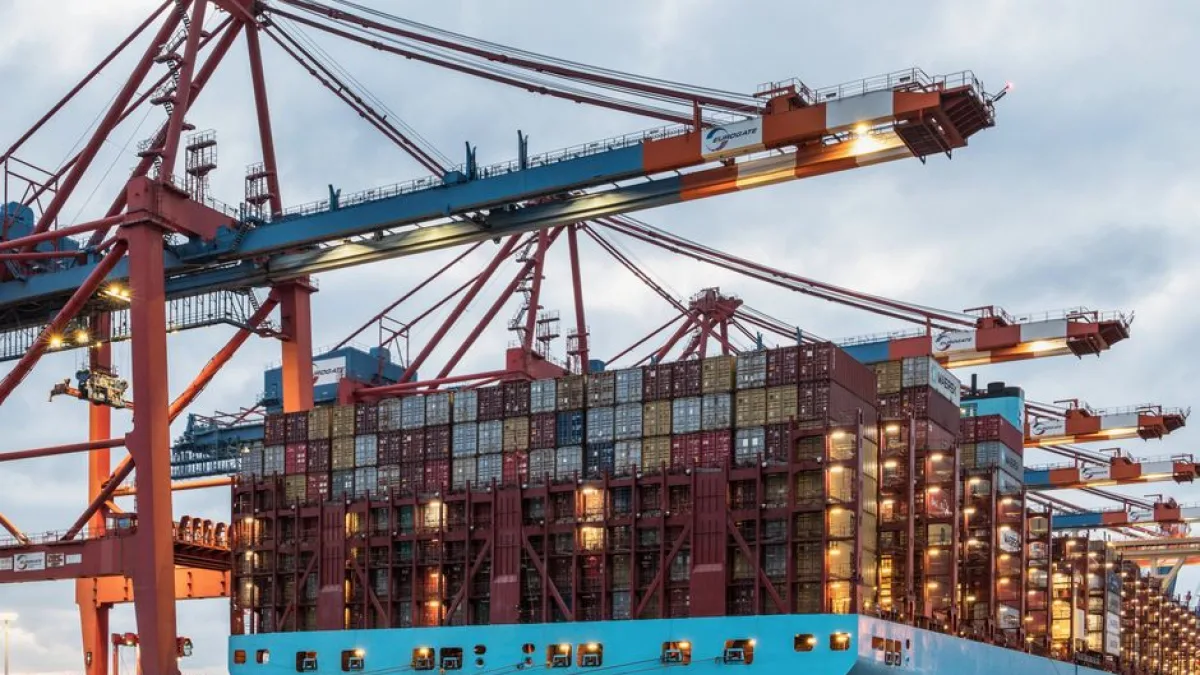
Automation serves as the backbone of modern freight forwarding, enabling firms to send instant updates to clients without constant manual intervention. By setting up trigger-based notifications, forwarders can ensure that every milestone is recorded and communicated automatically throughout the shipping lifecycle.
- Triggered Milestone Alerts: Automated notifications inform clients precisely when cargo reaches a terminal, departs a port, or clears customs, significantly reducing the volume of incoming status requests sent to staff.
- Reduced Administrative Burden: By shifting from manual tracking to automated workflows, your team saves valuable hours every day, allowing them to focus on high value tasks like strategic planning.
- Customizable Notification Templates: Tailoring your outgoing emails and portal messages ensures that your firm maintains a consistent and professional brand voice while delivering mission critical logistics information to customers.
- Improved Response Times: Automation ensures that even during after hours or weekends, your clients receive the updates they need, keeping your operations moving smoothly across all time zones.
Leveraging automation does more than save time because it also creates a consistent experience that clients have come to expect in today's digital economy. When you automate the routine aspects of your tracking workflow, you demonstrate a commitment to precision and reliability. This operational shift reduces burnout for your employees while simultaneously boosting the quality of service provided to your entire customer base.
Navigating Customs and Compliance Documentation

Tracking physical movement is vital, but managing the flow of digital paperwork is equally critical for successful global logistics. Forwarders must treat documentation as a key component of the tracking process to avoid costly clearance delays and regulatory complications for their clients.
- Streamlined Document Management: Secure cloud storage ensures that bills of lading, commercial invoices, and packing lists are instantly accessible to relevant parties, preventing document loss or misplaced files during transit.
- Real-time Compliance Tracking: Monitoring customs status alongside physical location helps forwarders ensure that all necessary declarations are filed correctly, keeping goods moving through ports without unnecessary hold ups.
- Automated Filing Reminders: Systems that track document deadlines prevent common errors such as missing paperwork, which is often the primary reason for shipments becoming stuck in busy global hubs.
- Secure Data Encryption: Protecting sensitive shipment and customer information through advanced cloud security measures is essential to maintaining trust and meeting strict international data privacy and security standards.
Integrating document tracking into your standard operations creates a seamless bridge between physical cargo movement and legal requirements. By keeping all necessary compliance materials organized in a single platform, you minimize the risk of human error and ensure that every shipment stays on schedule. This integrated approach to shipping and tracking ultimately protects your company from fines and builds your reputation as a reliable forwarder.
Leveraging Analytics for Future Planning

Data provides a wealth of information that can transform how freight forwarders plan and execute future shipments. By analyzing historical tracking performance, companies can identify trends, optimize routes, and make smarter decisions that improve long term profitability and overall logistics efficiency.
- Predictive Trend Analysis: Reviewing past shipment data allows you to anticipate seasonal bottlenecks and plan your capacity accordingly, ensuring that you remain ahead of the market and client needs.
- Carrier Performance Evaluation: Detailed tracking data helps you evaluate which carriers offer the best reliability, enabling you to build partnerships with vendors who consistently meet your high performance standards.
- Route Optimization Insights: Analyzing transit times across various lanes identifies the most efficient paths, helping you provide more accurate quotes and faster transit options to your valued clients daily.
- Cost Reduction Opportunities: Identifying recurring delays or inefficiencies through data allows you to optimize your logistics spend, leading to better profit margins and a more sustainable business model overall.
Harnessing the power of logistics analytics turns raw tracking data into actionable business intelligence. Instead of simply reacting to daily events, you can proactively shape your operational strategy based on actual performance metrics. This data driven mindset ensures your freight forwarding business stays resilient, competitive, and ready for future growth. Always strive to refine your analytical methods as you scale your global operations.
Conclusion

Mastering modern shipping and tracking is essential for any forwarder aiming to remain relevant in today's digital global market. By embracing real-time visibility, automated updates, document management, and data analytics, your firm can elevate its service standards significantly. Implement these strategies using platforms like MakeCargo to streamline your workflows, satisfy your clients, and secure your place as a leader in the global logistics industry.