Mastering Global Logistics with Advanced Shipping and Tracking
Monday, October 12 2026
The modern freight forwarding landscape is evolving at a breakneck pace, driven by the need for unprecedented visibility and precision. As global supply chains become more complex, professionals must leverage integrated digital tools to maintain a competitive advantage. Tracking shipments is no longer just about knowing the current location; it is about predictive analytics, proactive problem solving, and enhancing customer satisfaction. By adopting cloud-based freight forwarding software like MakeCargo, logistics companies can consolidate fragmented data streams into a single source of truth, ensuring that every stakeholder remains informed throughout the entire lifecycle of a cargo movement from origin to destination.
Real-Time Visibility Benefits

Real-time visibility transforms how logistics providers operate by offering instant updates on freight status. This level of clarity helps teams proactively identify potential bottlenecks or delays before they escalate into costly operational issues for your clients and business partners.
- Improved customer trust: Providing clients with live updates on their cargo builds strong professional relationships and reduces the volume of repetitive status inquiries your support team handles each day.
- Proactive delay management: Early detection of shipping disruptions allows your logistics team to implement contingency plans immediately, ensuring that cargo reaches its final destination with minimal schedule impact.
- Optimized routing efficiency: Accessing live data empowers managers to make smarter routing decisions based on weather patterns, port congestion, and carrier performance metrics gathered from your software system.
- Reduced manual tasks: Automation of status updates eliminates the need for endless manual emails and phone calls, freeing your employees to focus on high-value logistics strategy work.
Achieving total shipment visibility requires a robust digital infrastructure that connects all participants in the supply chain. When you replace manual tracking methods with automated cloud solutions, you significantly reduce the risk of human error. This transformation not only saves time but also positions your company as a reliable leader in the logistics industry, capable of handling modern trade complexities with ease.
Data Integration Strategies
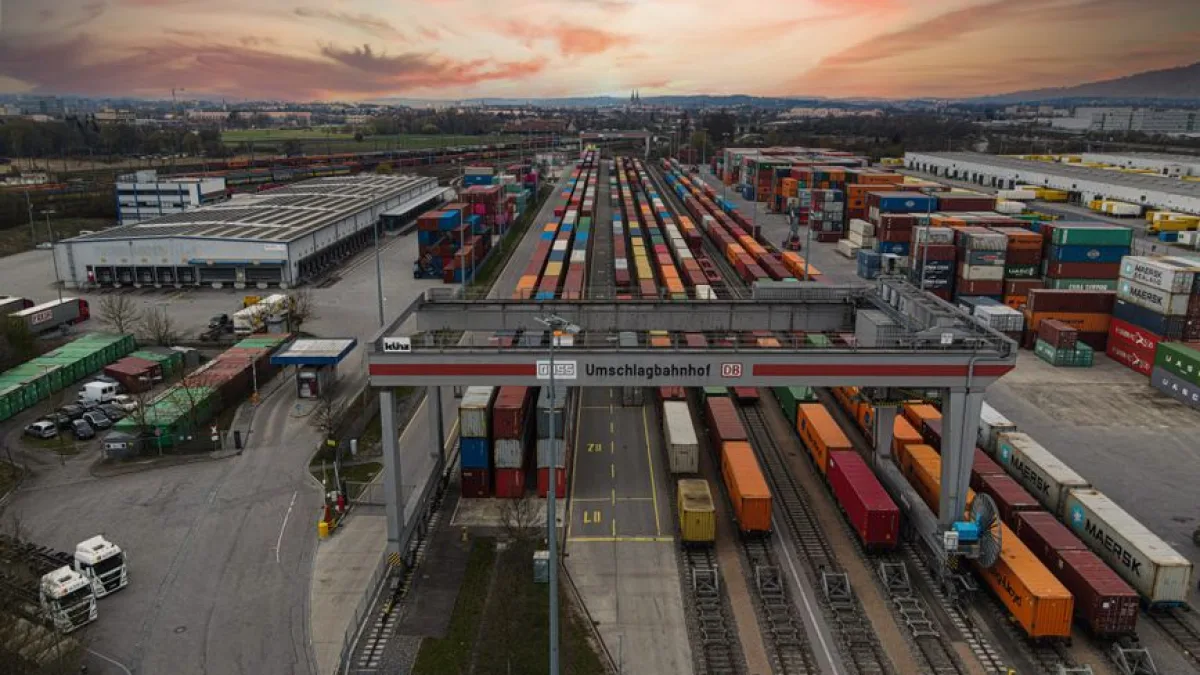
Connecting various logistics databases into a unified software platform allows for seamless information flow across borders. Efficient integration ensures that your freight forwarding business operates with high accuracy, reducing information silos and improving overall decision-making speeds during daily operations.
- Centralized data access: Having all documentation and tracking details stored in one cloud-based location ensures that your global team can access critical shipment information at any time.
- Automated carrier syncing: Syncing your internal platform directly with carrier systems allows for instant status updates without requiring manual entry or verification from your staff members regularly.
- Simplified document management: Digitizing bills of lading and commercial invoices within a single dashboard keeps records organized, audit ready, and easily searchable for your entire internal team.
- Enhanced analytical insights: Aggregating historical data from various shipping routes provides valuable reports that help you refine your service offerings and negotiate better rates with your carriers.
Successfully integrating data across your entire organization provides a powerful competitive edge in the fast-paced world of freight forwarding. When information flows freely between departments, teams can collaborate effectively to solve complex logistical challenges in real time. This cohesive approach to management ensures your operations remain agile, scalable, and responsive to the fluctuating demands of the global market for your clients.
Optimizing Workflow Automation

Workflow automation removes repetitive manual labor from your freight forwarding processes, allowing your staff to focus on critical tasks. Implementing these automated triggers within your software platform helps your team maintain high service standards while managing a higher volume of cargo.
- Triggered status alerts: Automated notifications keep your customers informed at every stage of the transit process, ensuring they receive updates exactly when events occur during their shipment.
- Dynamic report generation: Generating professional performance reports for clients takes only seconds when your software pulls data automatically, saving your team hours of intensive manual effort.
- Streamlined billing cycles: Linking tracking milestones to invoicing triggers ensures that your company gets paid faster by automating the billing process once cargo reaches its destination safely.
- Custom notification rules: Setting personalized alert preferences for different cargo types allows you to manage shipments with specific requirements, ensuring compliance and safety throughout the entire journey.
Adopting automation is no longer optional for firms that wish to grow and maintain high profitability in the logistics sector. By delegating routine tasks to smart software solutions, your business gains the capacity to scale operations without proportional increases in administrative overhead. This shift allows your team to prioritize complex problem solving and business development, ultimately leading to higher customer retention rates.
Enhancing Cargo Security
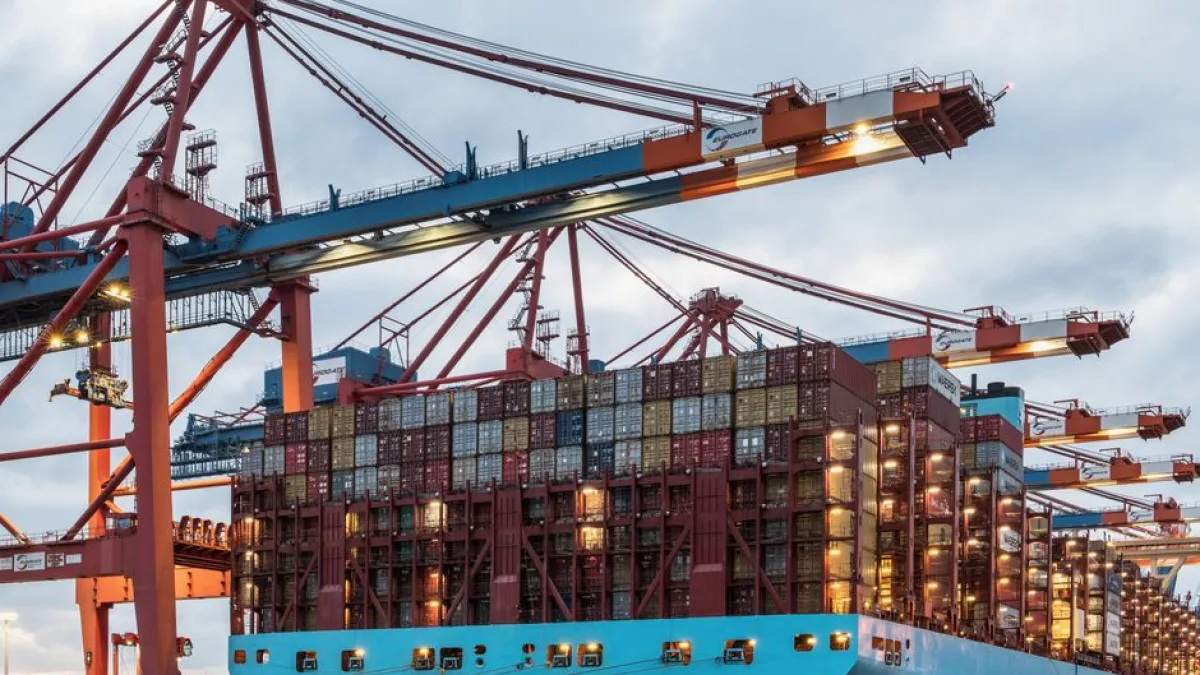
Ensuring the security of freight is paramount for modern logistics providers handling high-value goods globally. Implementing smart tracking features helps you monitor the integrity of shipments throughout their entire voyage, giving both you and your clients peace of mind.
- Condition monitoring alerts: Integrating sensors allows you to track temperature, humidity, and physical shock levels, providing critical data to ensure that sensitive goods arrive in perfect condition.
- Digital audit trails: Keeping an immutable record of every access and movement event provides total transparency, which is vital for insurance claims and maintaining strict chain custody.
- Tamper detection protocols: Immediate alerts sent through your platform when a container is opened unexpectedly ensure that security teams can react quickly to potential unauthorized access incidents.
- Compliance document tracking: Automatic logging of customs documentation and security clearances reduces the risk of legal complications during transit and prevents costly delays at international border crossings.
Security goes beyond just tracking a location; it involves maintaining control over the entire environment of the shipment. By utilizing advanced software tools to verify the status and safety of cargo, your company demonstrates a commitment to quality that sets you apart from competitors. Delivering cargo securely and predictably builds long term trust with your partners, securing your company's future growth.
Conclusion
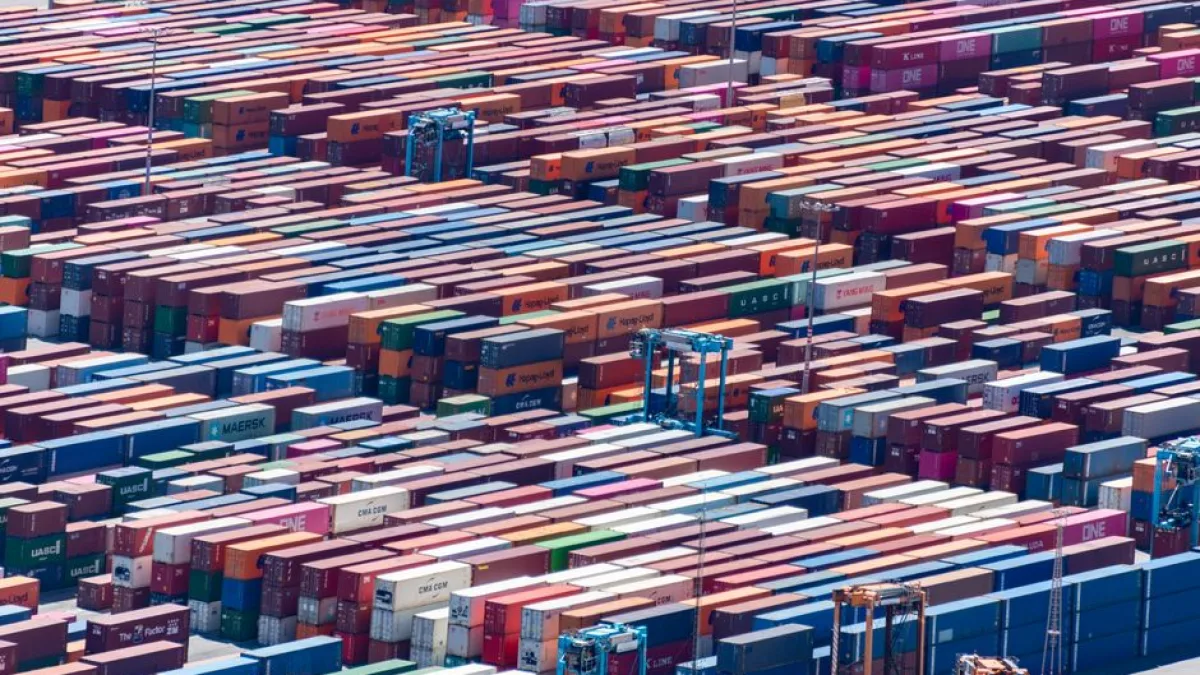
Mastering freight visibility and workflow automation is essential for any modern forwarding firm striving for excellence. By utilizing MakeCargo, you can streamline operations, boost customer satisfaction, and gain deeper insights into your global shipping performance. Embrace these digital tools today to simplify your daily logistics management and prepare your company for future growth in an increasingly connected international trade market environment.