Mastering Global Logistics with Advanced Shipping and Tracking Tools
Friday, October 23 2026

In the modern era of logistics, the ability to monitor cargo movement in real time has transitioned from a luxury to an absolute necessity for freight forwarders. With global supply chains becoming increasingly complex and prone to sudden disruptions, professionals need robust software solutions that provide granular visibility. By leveraging cloud-based platforms like MakeCargo, logistics companies can consolidate their data, reduce communication friction, and provide clients with accurate ETAs. As we navigate the evolving landscape of international trade, adopting technology that bridges the gap between disparate shipping carriers and warehouse systems is essential for maintaining a competitive edge and operational efficiency.
The Evolution of Real Time Tracking
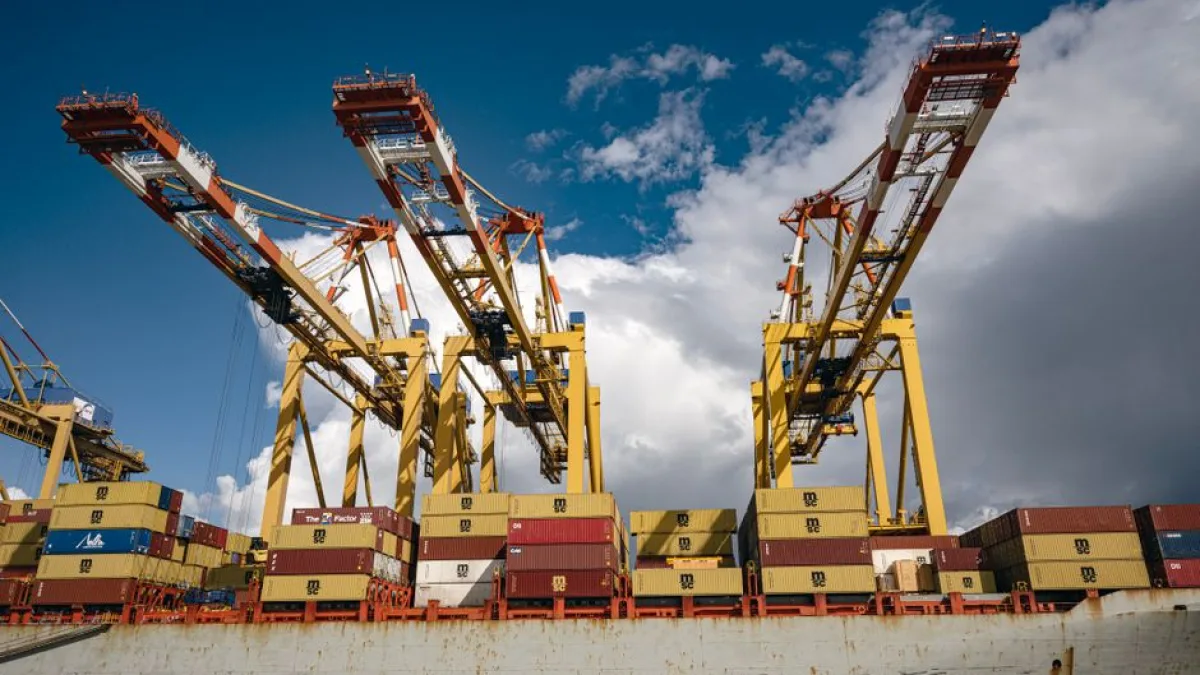
Real time tracking technologies have fundamentally transformed how shipping lines and freight forwarders operate. By integrating live satellite telemetry and automated port data, companies now gain unprecedented oversight into their daily movements, ensuring that every shipment is monitored from origin to final destination.
- Satellite Data Integration: Modern platforms utilize advanced satellite feeds to track vessel locations globally, allowing forwarders to proactively inform clients about unexpected weather delays or route changes before they occur.
- Automated Milestone Alerts: Systems now trigger automated notifications when containers pass through key checkpoints, significantly reducing manual data entry tasks while keeping all stakeholders updated with accurate information.
- Historical Route Analysis: Forwarders can analyze past shipment data to identify recurring bottlenecks at specific ports, enabling smarter route planning that avoids congested terminals and saves valuable transit time.
- Centralized Dashboards Access: By housing all tracking data in a single cloud portal, teams can collaborate effectively without searching through endless email chains or separate vendor carrier websites.
- API Driven Updates: Seamless integration with major shipping lines via API ensures that tracking information is always consistent, reliable, and instantly accessible through your chosen freight management software.
Adopting these sophisticated tracking technologies allows freight forwarders to minimize the impact of unforeseen disruptions while providing transparency to their customers. When you can pinpoint the exact location of a container, you gain the power to manage expectations effectively and solve problems before they escalate. This level of clarity strengthens business relationships and establishes your agency as a dependable partner in international logistics.
Managing Exceptions in Supply Chains

Managing unexpected shipping exceptions is the hallmark of a skilled logistics professional. When shipments are delayed due to port strikes, customs holds, or equipment shortages, the ability to react quickly often determines the financial outcome for your high-value cargo clients.
- Predictive Risk Modeling: Advanced algorithms analyze global news and weather patterns to predict potential delays, helping forwarders shift cargo strategies before the actual disruption affects your current transit routes.
- Dynamic Rerouting Capabilities: When a major hub experiences unexpected closure, software tools allow teams to identify and book alternative routes instantly, keeping the supply chain moving without total failure.
- Automated Exception Reporting: Systems automatically flag shipments that deviate from the planned timeline, ensuring that your customer service agents are notified immediately to take necessary corrective actions promptly.
- Collaborative Issue Resolution: Internal messaging features embedded within shipping platforms ensure that all team members remain aligned when tackling complex issues, preventing miscommunication during high pressure logistical emergency situations.
- Customizable Client Dashboards: Provide your clients with a portal where they can view specific shipment exceptions themselves, reducing the high volume of incoming status inquiries for your staff.
Proactive management of shipping exceptions transforms potential customer service crises into demonstrations of professional competence. By utilizing the diagnostic features within MakeCargo, you can pivot your strategies rapidly to overcome physical logistics obstacles. This shift from reactive firefighting to proactive management is what separates top-tier freight forwarders from the rest, ultimately securing long-term trust and recurring service contracts with your customers.
Integrating Data for Operational Efficiency

Data integration is the backbone of efficient freight forwarding, acting as a bridge between separate regional teams, warehouse operators, and final carriers. Unified data streams eliminate silos and provide a single source of truth for the entire organization.
- Unified Data Streams: Centralizing information from various global carriers ensures that your data is consistent, reducing the risk of errors associated with manual copying between different software systems.
- Workflow Automation Tools: Automating repetitive tasks like document generation or status updates frees your staff to focus on high value activities like expanding customer networks and service offerings.
- Standardized Reporting Formats: Generate professional reports for your clients in seconds, ensuring that all communications remain consistent with your brand identity while providing high quality operational performance metrics.
- Scalable Cloud Infrastructure: Cloud based systems grow alongside your business, allowing you to add new branches or handle increased shipping volumes without needing expensive upgrades to local hardware.
- Enhanced Security Protocols: Protecting sensitive cargo and client data is critical, and modern cloud platforms offer encrypted environments that meet the highest international standards for digital information privacy.
When your operational data flows seamlessly between departments, your team spends significantly less time on administrative overhead and more on strategic planning. This structural optimization is essential for scaling a freight forwarding business in a competitive market. By investing in integrated platforms, you ensure that your staff has the right information at the right time to make decisions that drive company profitability.
Enhancing Customer Transparency Standards

Customer transparency has become the primary benchmark by which freight forwarders are measured. Clients expect instant visibility into their shipping status, and failing to provide this often leads to a decline in repeat business and brand loyalty.
- Self Service Tracking Portals: Giving your customers direct access to their shipment history allows them to track packages at their convenience, significantly increasing their overall level of satisfaction.
- Branded Tracking Updates: Send status notifications that carry your company logo and specific contact details, keeping your brand at the forefront of every client interaction during the shipping process.
- Proactive Communication Strategy: Instead of waiting for a client to ask about a delay, use automated tools to notify them early, building confidence through honesty and clear, consistent updates.
- Feedback Loop Integration: Collect instant feedback after shipment delivery through the portal, providing you with valuable insights into where you can improve your service for future engagements.
- Professional Document Sharing: Allow clients to view and download all necessary customs documents or bills of lading directly from their secure dashboard, simplifying their own internal processes.
Prioritizing customer transparency creates a competitive advantage that is difficult for others to replicate. When you provide clear insights into the shipping lifecycle, you move beyond being just a service provider to becoming a trusted supply chain partner. This deep level of transparency leads to higher client retention rates, improved referral numbers, and a significantly stronger reputation within the demanding global logistics industry.
Conclusion

Mastering modern shipping and tracking requires a commitment to digital transformation and continuous process refinement. By utilizing robust tools from MakeCargo, freight forwarders can successfully navigate the complexities of global trade with confidence and agility. Focus on integrating your data streams, managing exceptions with speed, and prioritizing transparency to your clients. These efforts will drive your company toward sustained growth and operational excellence today.