Mastering Global Logistics with Advanced Shipping and Tracking Systems
Sunday, August 23 2026
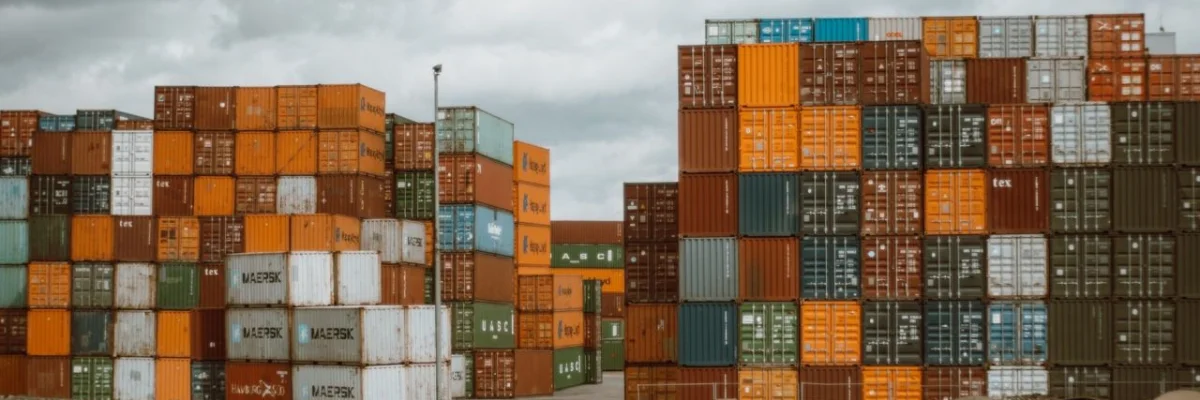
Modern freight forwarding relies on the seamless integration of digital tools to maintain transparency across complex supply chains. As global trade volumes fluctuate, logistics providers face immense pressure to provide real-time updates and proactive issue resolution for their clients. Shifting from manual spreadsheets to a cloud-based software platform transforms how companies manage cargo visibility, document flow, and carrier coordination. By leveraging centralized data, freight forwarders can reduce operational bottlenecks, improve client trust, and ensure that every container moves efficiently from origin to destination. Staying ahead in this competitive market requires a commitment to digital excellence and data-driven shipping strategies.
Real-Time Visibility Benefits
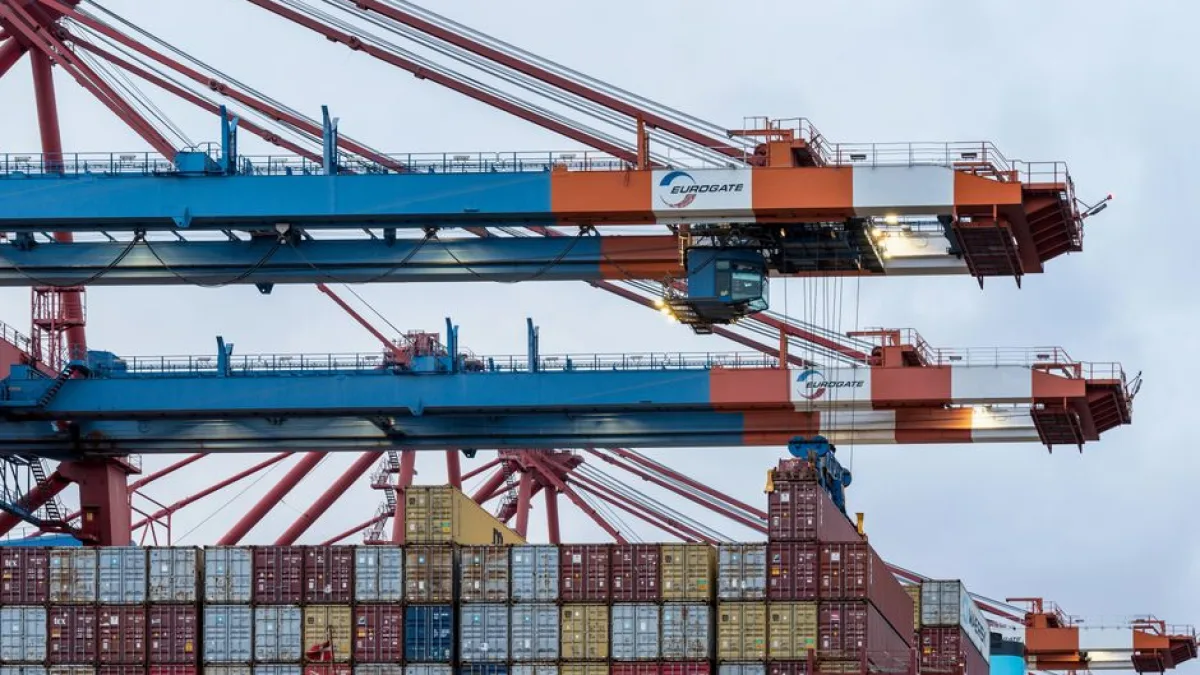
Real-time visibility tools provide a birds-eye view of your entire logistics network, allowing you to monitor every shipment movement across global oceans. This digital oversight ensures that potential delays are identified before they impact your clients bottom line or operational schedule.
- Proactive Problem Solving: Accessing live data feeds allows teams to anticipate bottlenecks and reroute shipments instantly, minimizing the negative impact of port congestion or unexpected carrier delays on schedules.
- Client Trust Building: Providing customers with a live tracking portal eliminates the need for manual status updates, fostering deeper professional relationships based on transparency and reliable, accurate information.
- Operational Efficiency Gains: Automating the collection of status updates from various carriers saves your logistics staff significant time each day, allowing them to focus on high-value business development tasks.
- Data Driven Decisions: Aggregated tracking data provides valuable insights into carrier performance patterns, enabling you to make smarter choices when selecting partners for future shipping routes and contracts.
Adopting advanced tracking software changes how teams interact with global data sets by turning raw numbers into actionable intelligence. By centralizing communication streams, you eliminate the fragmentation that often plagues international shipping operations. This strategic shift not only optimizes your daily workflows but also positions your freight forwarding firm as a forward-thinking industry leader capable of handling any logistical challenge that arises today.
Automated Status Notifications

Automated notifications serve as a bridge between your backend systems and your end customers. By sending updates triggered by specific milestones, you keep stakeholders informed without requiring manual intervention, effectively reducing the administrative burden on your dedicated customer service team.
- Triggered Milestone Updates: Configure your software to automatically email stakeholders when a container leaves the port or clears customs, ensuring that information flow remains consistent and highly reliable.
- Customizable Client Alerts: Offer your customers personalized notification settings so they only receive the information they deem critical, which enhances their experience and reduces unnecessary inbox clutter daily.
- Exceptions Management Workflow: Ensure your team receives instant alerts when shipments deviate from the planned route, allowing for rapid intervention before minor issues escalate into major operational failures.
- Integration With APIs: Connect your tracking dashboard directly to carrier APIs to pull live data updates into your internal systems, ensuring that your tracking information is accurate.
The implementation of automated alerts transforms client communication from reactive to proactive. By removing the need for manual status checks, you significantly lower the operational costs associated with repetitive tasks. This efficiency gain allows your team to dedicate more time to strategic planning and complex problem solving, ensuring that your logistics services remain highly competitive and profitable in a fast-paced market.
Data Integration Challenges

Integrating data from multiple carriers into a single unified platform presents technical hurdles for many firms. Standardizing these disparate data formats is essential for achieving a clean, reliable dashboard that provides a single source of truth for all global shipments.
- Standardizing Carrier Data: Converting different file formats from diverse shipping lines into a unified system helps eliminate errors and ensures that all stakeholders view identical shipment information.
- Cloud Platform Syncing: Utilize cloud-based integration tools to ensure that your freight forwarding software stays perfectly synced with international carrier databases for the most current tracking status.
- Reducing Manual Entry: Eliminate the need for redundant data entry by syncing tracking logs directly into your management software, significantly lowering the risk of human input errors.
- Scalability For Growth: Ensure your data infrastructure can handle increasing volumes of shipment data as your business grows, keeping your tracking capabilities robust regardless of the market scale.
Overcoming data integration barriers is a vital step toward long-term operational success. When your software acts as a unified hub for all global shipping information, you create a stronger foundation for growth and innovation. By simplifying how data flows into your organization, you empower your staff to work with confidence, knowing that the tracking information they present to customers is accurate and timely.
Enhancing Customer Experience

A superior customer experience is the hallmark of a successful freight forwarding firm. Providing clients with self-service tracking portals and clear documentation access empowers them while reducing the volume of status-related inquiries handled by your busy logistics coordination team.
- Self Service Portals: Give clients access to an intuitive dashboard where they can track their cargo status and download shipping documents whenever they need to without waiting for responses.
- Branded Tracking Updates: Customize your tracking interface with your company logo and specific colors to provide a cohesive, professional branding experience that reinforces your unique market identity.
- Historical Data Access: Allow your repeat customers to easily search through past shipment logs, which helps them analyze their own logistics history and plan future inventory movements.
- Transparent Communication Flow: Maintain a clear record of all shipment notes within the tracking system to ensure that every team member understands the context behind every cargo movement.
Prioritizing the end-user experience helps differentiate your services from generic logistics providers. When customers feel empowered by the tools you provide, their loyalty to your firm increases significantly. By focusing on usability and access, you transform the mundane process of tracking into a value-added service, which ultimately boosts your reputation and secures long-term partnerships across the entire global supply chain network.
Conclusion

Optimizing your approach to shipping and tracking is essential for modern freight forwarders. By utilizing cloud-based software, you can automate updates, centralize data, and provide unmatched transparency to your clients. These improvements not only drive operational efficiency but also foster lasting trust. Commit to these digital strategies to ensure your business remains agile, competitive, and ready for future growth in the global market.