Mastering Global Logistics with Advanced Shipping and Tracking Tools
Monday, August 3 2026
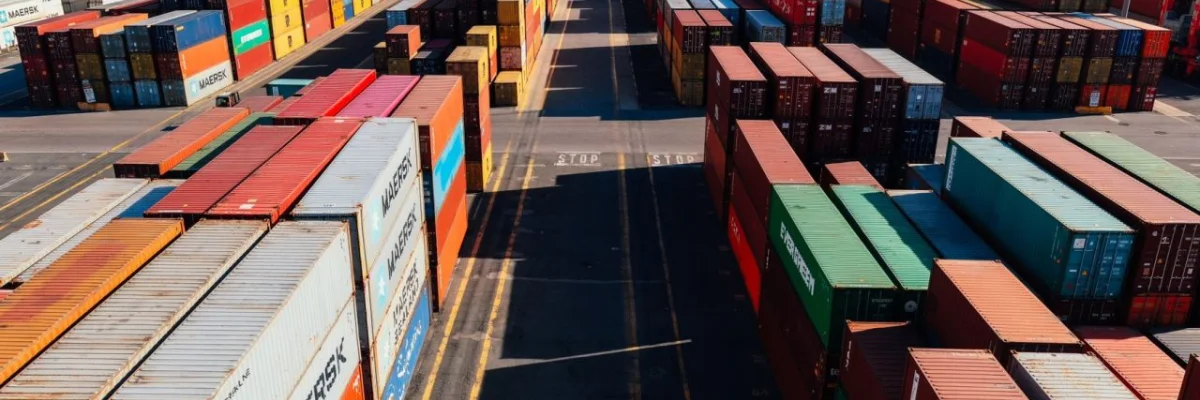
Modern freight forwarding is an intricate dance of data, coordination, and rapid communication across international borders. As global supply chains face increasing volatility, professionals must move beyond manual spreadsheets and legacy systems to maintain competitive advantages. Embracing cloud-based platforms allows forwarders to centralize information, anticipate disruptions, and provide clients with the transparency they demand in a 24/7 economy. This shift is not merely about digitizing paperwork; it is about building a resilient infrastructure that leverages real-time visibility to optimize routes, reduce operational costs, and foster long-term trust with shippers and carriers worldwide in an evolving logistics landscape.
The Evolution of Visibility

Real-time visibility has transformed from a luxury into a standard requirement for shippers navigating international routes. By integrating automated data feeds, forwarders can monitor shipments across multiple modes of transport, providing immediate status updates that eliminate uncertainty for their clients.
- Automated Milestone Tracking: Software solutions trigger automatic status updates at every stage of the shipment journey, ensuring that stakeholders receive timely alerts without manual intervention from your internal staff members.
- Predictive Delay Alerts: Advanced algorithms analyze weather patterns, port congestion, and geopolitical issues to predict potential delays before they impact your cargo, allowing for proactive routing and contingency planning.
- Centralized Documentation Hub: Consolidate bills of lading, commercial invoices, and packing lists into a single digital repository accessible to authorized parties to ensure audit trails remain clear and transparent.
- Unified Carrier Connectivity: Integrate directly with major global carriers to pull location data into one dashboard, removing the need to visit individual websites for manual updates or status checks.
- Custom Client Dashboards: Provide your customers with personalized portals where they can view their specific cargo movements, enhancing their experience while reducing the volume of incoming status inquiries.
Transitioning to automated tracking empowers your team to focus on high-value problem solving rather than administrative data entry. When every stakeholder operates from a single version of the truth, misunderstandings decrease and operational efficiency improves significantly. By investing in these digital tools, forwarders position themselves as reliable partners capable of navigating the complexities of international trade with precision, accuracy, and consistent reliability for every client.
Optimizing Warehouse Throughput
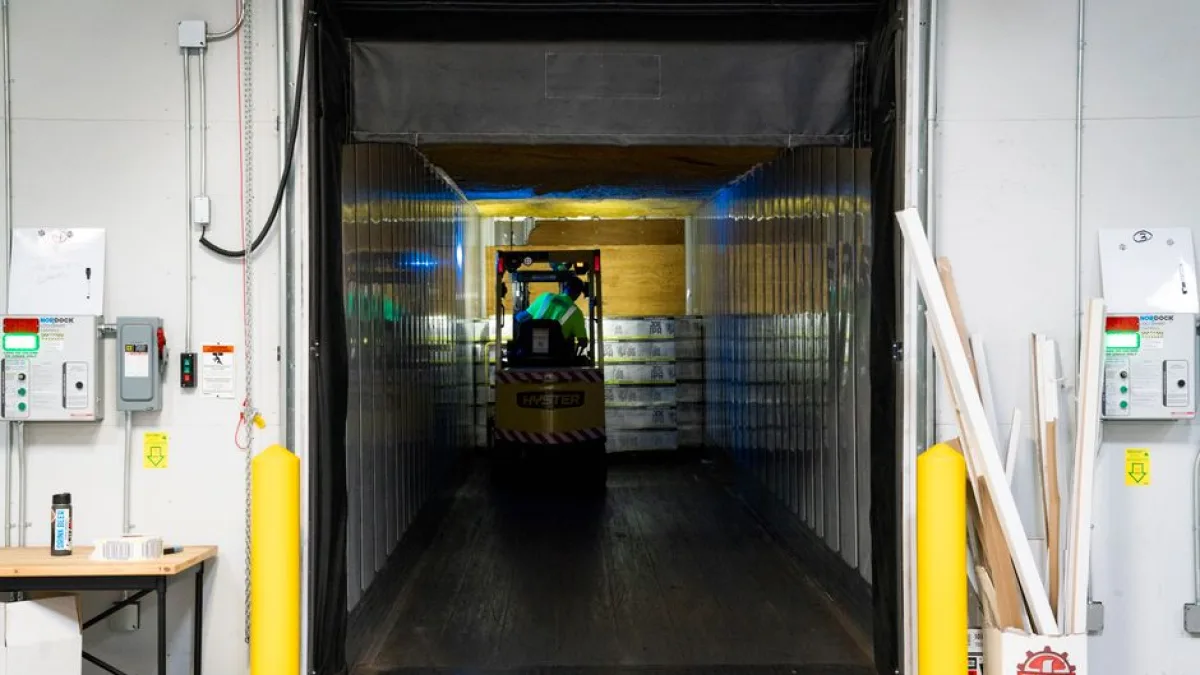
Efficient warehouse management is the backbone of successful freight operations. By tracking inventory levels and movement in real-time, forwarders can optimize floor space and speed up the loading process while minimizing errors that lead to costly damages or inventory loss.
- Barcode Scanning Integration: Implement hand-held scanners that update stock levels instantly when items enter or exit your facility, ensuring that your inventory records remain perfectly accurate at all times.
- Dynamic Slotting Strategies: Use data insights to determine the best storage locations for fast-moving goods, effectively reducing the time it takes for your team to pick and pack orders.
- Real-time Stock Alerts: Receive automatic notifications when inventory reaches minimum threshold levels, helping you maintain optimal stock counts and avoid stockouts that frustrate your customers during peak seasons.
- Efficient Picking Workflows: Organize your warehouse floor and operational processes to minimize travel distances for your staff, which directly translates to faster processing times and lower labor costs.
- Enhanced Load Planning: Utilize software to visualize cargo dimensions, ensuring that every container or truck is packed to its maximum capacity to maximize your logistics investments and space.
Streamlined warehouse workflows allow your business to scale operations without proportional increases in overhead costs. By prioritizing speed and accuracy through digital tracking, you create a robust foundation for growth. Clients value the consistency and speed that efficient warehousing provides, helping your firm build a reputation for excellence that secures recurring business and positions your company as a leader within the logistics sector.
Managing Carrier Relationships

Cultivating strong relationships with carriers remains essential for securing reliable capacity during periods of market volatility. Digital tracking tools enable forwarders to evaluate carrier performance objectively using hard data, ensuring that your company always selects the best partners for every shipment.
- Performance Analytics Reports: Review historical data on carrier on-time performance and incident rates to make informed decisions when selecting partners for future shipping lanes or high-priority cargo movements.
- Secure Contract Management: Digitize and store all carrier agreements within your platform, ensuring that team members can access rates, terms, and compliance documentation whenever they need to confirm details.
- Collaborative Dispute Resolution: Maintain a digital audit trail of communications and photos related to shipment damage or invoice disputes, which makes resolving complex claims with carriers much faster.
- Seamless Communication Channels: Use built-in messaging tools to coordinate directly with carrier dispatchers, reducing the reliance on scattered email threads that often lead to information loss or delays.
- Capacity Forecasting Tools: Analyze shipping trends to forecast your future capacity needs, allowing you to negotiate better rates and ensure space availability well in advance of peak season.
Effective carrier management is about turning transactions into partnerships that deliver consistent results. When you utilize data-driven insights to manage these relationships, you reduce risk and improve service reliability for your customers. By choosing to work with carriers that prioritize transparency and performance, you ensure that your forwarding business remains stable and resilient, even during the most challenging periods in the global supply chain.
Harnessing Data for Growth

Data is the most valuable asset in modern freight forwarding. By analyzing trends across shipping volumes, route profitability, and customer behavior, firms can make informed strategic decisions that drive sustainable revenue growth and operational excellence in a competitive global marketplace.
- Profitability Analysis Tools: Break down costs and revenue by route, mode of transport, or specific client to identify where your team is generating the highest margins and greatest value.
- Scalable Cloud Infrastructure: Support your expansion into new geographic regions by using cloud-based tools that scale effortlessly with your business needs, ensuring consistency across all international office locations.
- Market Trend Insights: Use aggregated shipping data to identify emerging lanes or industry shifts, allowing your company to pivot quickly and capitalize on new opportunities before your competitors do.
- Customer Retention Metrics: Track engagement levels and satisfaction scores to identify at-risk clients early, enabling your account managers to provide proactive support that secures long-term account loyalty.
- Automated Reporting Engines: Generate professional, data-rich reports for internal management or client presentations with a single click, saving hours of manual preparation time every single business week.
Data-driven decision making is the primary differentiator between static companies and industry leaders. When you leverage your shipment data to refine processes and strategy, you transform your forwarding operations into a lean, profit-generating engine. By continuously iterating based on the insights revealed by your tracking software, you ensure long-term stability and remain ready to adapt to the unpredictable nature of the global freight industry.
Conclusion
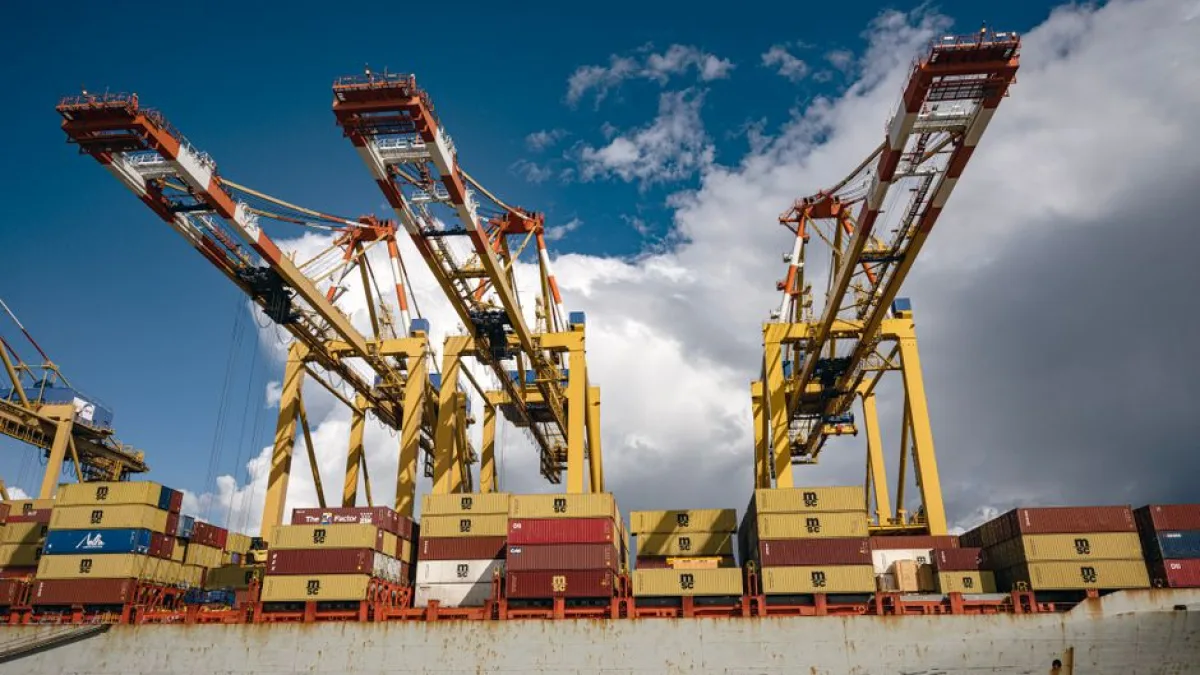
Successful freight forwarding relies on the seamless integration of technology and professional expertise. By adopting advanced shipping and tracking tools, you gain the visibility, efficiency, and data-driven insights necessary to excel in a demanding market. Focus on optimizing your internal workflows and strengthening your carrier relationships to build a resilient, scalable, and highly profitable logistics business that consistently delivers value to every customer.