Mastering Global Logistics with Advanced Shipping and Tracking Tools
Monday, August 31 2026
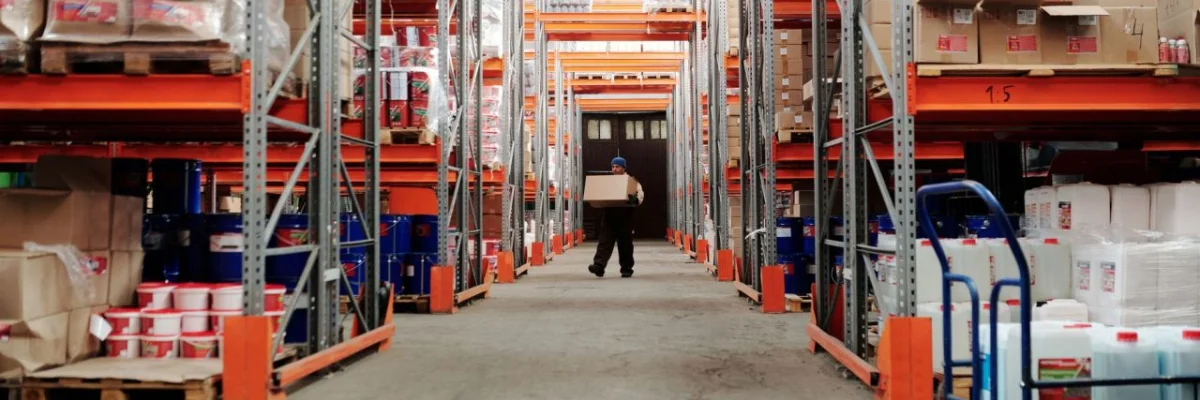
In the fast-paced world of modern logistics, the ability to track shipments with precision defines market leadership and client trust. As supply chains grow increasingly complex, freight forwarders require robust digital infrastructure to maintain visibility across every leg of the journey. Leveraging cloud-based platforms ensures that real-time data is always accessible, allowing teams to proactively address delays and mitigate risks before they impact the bottom line. By integrating sophisticated tracking software, forwarders transform manual bottlenecks into efficient, data-driven operations that meet the evolving demands of global trade, ultimately providing the reliability that high-volume shippers expect in every transaction.
The Importance of Real-Time Visibility
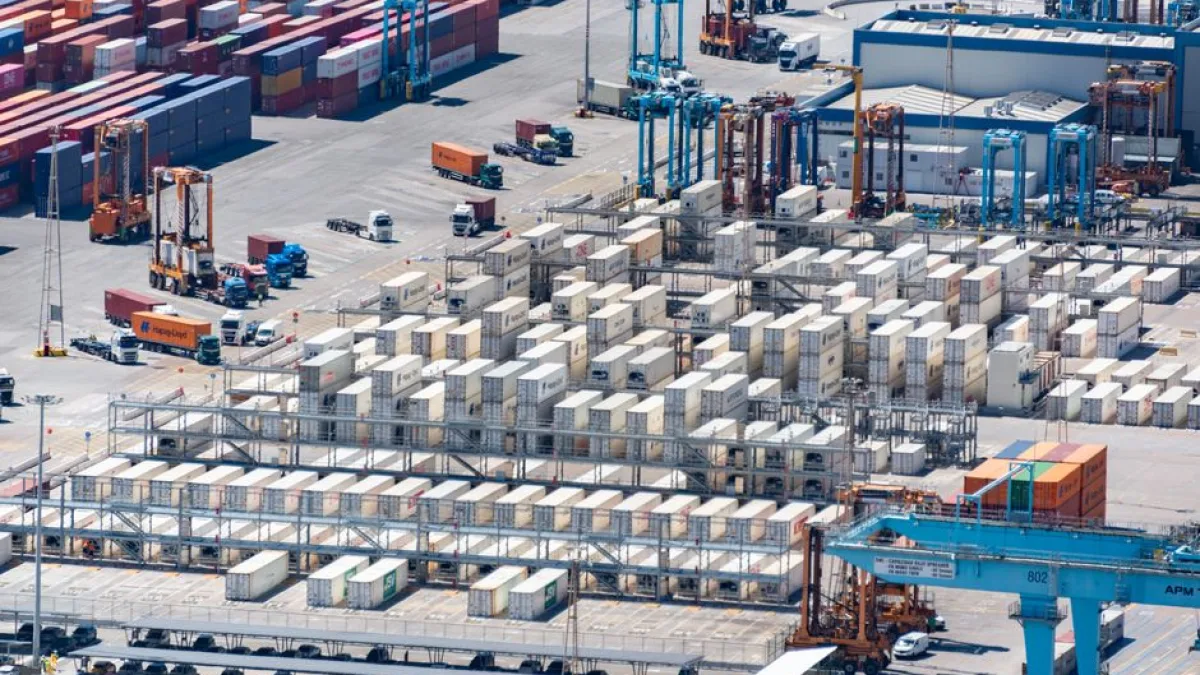
Real-time visibility acts as the backbone of modern freight forwarding, offering an unfiltered view into cargo movement across oceans and continents. This transparency reduces uncertainty for clients and enables logistics managers to make informed decisions based on live status updates.
- Proactive Risk Management: Instant notifications regarding vessel delays or port congestion allow your team to pivot logistics strategies quickly and keep your customers informed during unexpected supply chain disruptions.
- Enhanced Client Communication: Providing precise tracking data directly to your clients builds lasting trust while reducing the administrative burden of handling constant manual status update requests from shippers.
- Data-Driven Insights: Collecting historical tracking information enables your business to analyze carrier performance and identify consistent trends that help optimize future route planning and vendor selection.
- Operational Cost Efficiency: Reducing the time spent manually chasing updates allows your staff to focus on higher-value tasks, effectively increasing your overall operational throughput without expanding team size.
- Strengthened Vendor Relationships: Transparent sharing of tracking milestones fosters better collaboration with carriers and agents, ensuring that all partners remain accountable for their specific portion of transit.
Achieving total visibility is not just about knowing where cargo is, but understanding the context of the journey. When freight forwarders adopt automated tracking, they shift from reactive firefighting to strategic planning. This transition is vital for scaling business operations in a competitive environment where clients demand constant access to information and precise delivery timelines to keep their own production lines moving forward.
Digital Integration and Automation Benefits

Integrating automated tracking software into your workflow eliminates repetitive manual data entry. By syncing directly with carrier feeds, your platform provides a single source of truth that powers smarter, faster shipping operations for your team members.
- Eliminating Manual Errors: Automated data synchronization removes the risks associated with human input, ensuring that your tracking dashboard always displays accurate information directly from the carrier systems.
- Seamless API Connectivity: Modern software platforms utilize secure API integrations to pull data from global shipping lines, ensuring your client portal is always updated with the latest details.
- Customized Alert Systems: Set up tailored triggers that notify your operations team about milestone deviations, allowing you to manage exceptions effectively rather than monitoring every single container manually.
- Streamlined Reporting Capabilities: Generate automated performance reports that demonstrate your value to clients by highlighting reliability and transit consistency over specific time periods or major trade routes.
- Scalable Operations Growth: Automation allows you to manage significantly higher volumes of freight without needing to hire additional staff to perform routine administrative tracking and reporting tasks.
Automation serves as the engine for growth in the modern freight industry. By removing the friction of manual updates, you create space for your team to focus on solving complex logistical challenges. As shipping demands continue to fluctuate, having a system that scales with your volume is essential for maintaining consistent service quality and operational excellence across your entire client base and network.
Optimizing the Client Experience

The client experience is fundamentally shaped by the ease with which information is shared. Providing intuitive, self-service tracking portals creates a professional image and empowers shippers to access critical delivery milestones at their convenience, regardless of the time zone.
- Personalized Client Portals: Create branded environments where your shippers can monitor their specific cargo movements and download necessary documentation without needing to contact your team directly for updates.
- Improved Response Speed: Instant access to shipping status information significantly shortens the communication loop, demonstrating professionalism while handling large volumes of inquiries with minimal effort from staff.
- Increased Brand Loyalty: Providing a superior digital interface reinforces your reputation as a forward-thinking partner, making clients much more likely to return for future shipping requirements.
- Centralized Documentation Access: Combine tracking updates with digital document storage so clients can view bills of lading and customs declarations alongside their current shipment location information.
- Multichannel Notification Options: Allow clients to choose how they receive updates, whether through automated email alerts, push notifications, or direct integration into their own internal management systems.
Your ability to deliver a seamless digital interface directly influences your competitive standing. When clients experience a smooth, transparent tracking process, they feel more confident in your services. This focus on the user experience not only differentiates your firm from traditional competitors but also simplifies the management of complex shipments, allowing you to build deeper, long-term partnerships that drive sustainable revenue growth.
Preparing for Future Logistics Trends
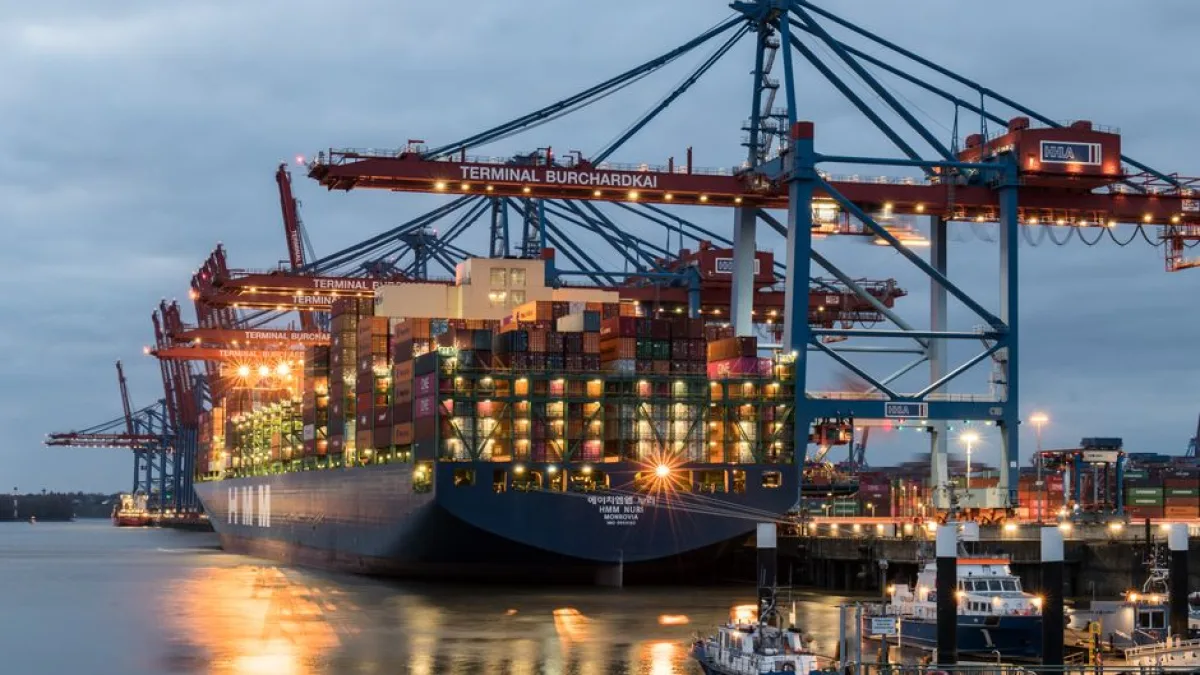
The logistics landscape is shifting toward predictive analytics and artificial intelligence. By leveraging your current tracking data, you can prepare your firm for a future where technology predicts potential delays before they occur within the global supply chain.
- Predictive Arrival Modeling: Advanced platforms now use historical data to forecast more accurate arrival times, allowing shippers to manage their inventory levels with far greater precision and confidence.
- Predictive Maintenance Insights: Early warning systems can identify potential issues within transport legs, giving you time to arrange alternative routing solutions before a significant bottleneck actually develops.
- Standardizing Data Formats: Adopting unified data standards across your software ensures that you remain compatible with emerging technologies and new industry regulations that prioritize digital supply chain transparency.
- Leveraging Machine Learning: Utilize machine learning models to identify patterns in your transit times that allow you to optimize carrier selection based on long-term performance statistics.
- Sustainability Tracking Features: Future software iterations will likely emphasize carbon footprint calculation, helping you assist your clients in achieving their own corporate sustainability goals through better shipping.
Staying ahead in the freight industry requires a commitment to continuous technological improvement. By investing in scalable tracking tools today, you ensure that your firm is well positioned to adopt predictive capabilities as they become mainstream. Embracing these innovations will keep your operations resilient, efficient, and ready to meet the evolving complexities of global trade, securing your firm a successful position in the future.
Conclusion
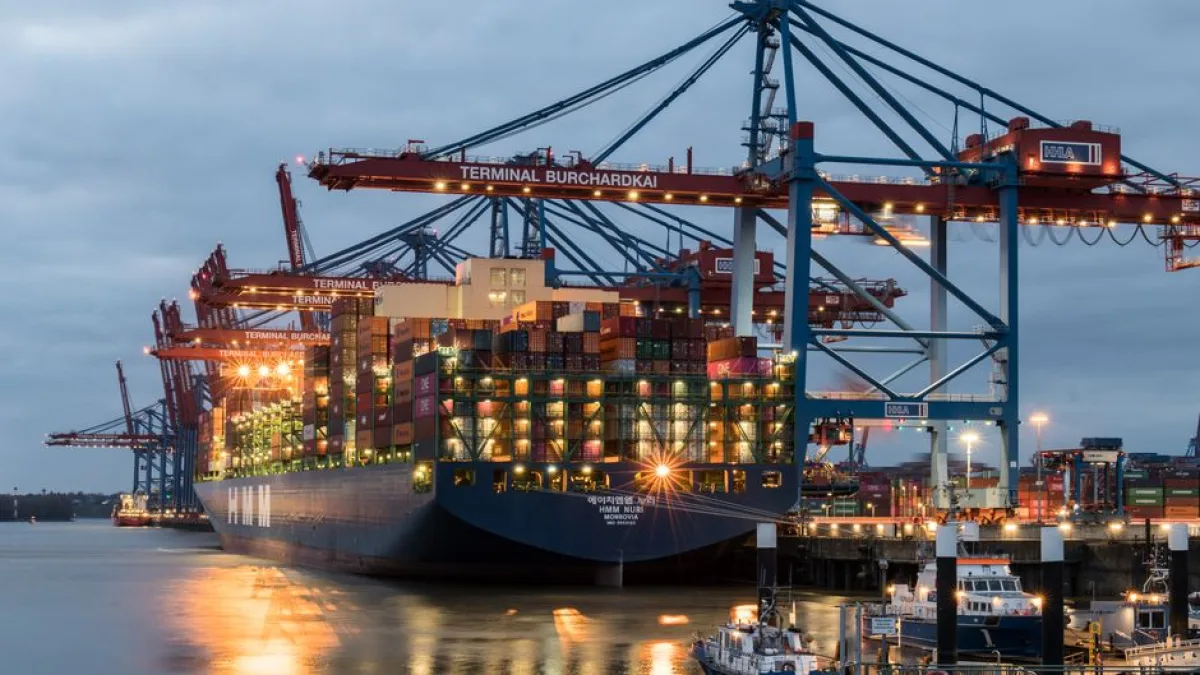
Tracking technology is no longer just an optional feature but a core requirement for success in modern freight forwarding. By automating visibility, optimizing the client experience, and preparing for predictive analytics, your firm can achieve unparalleled efficiency. Visit the MakeCargo platform to discover how our cloud-based tools empower forwarders to scale operations, increase client trust, and thrive within an increasingly digital global shipping industry.