Mastering Global Logistics with Advanced Shipping and Tracking Tools
Saturday, September 12 2026
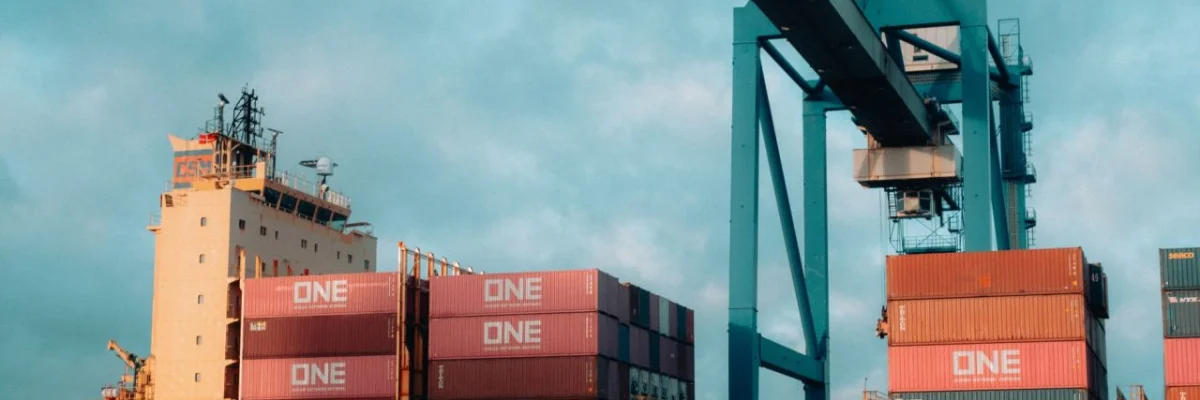
Modern freight forwarding relies on the seamless integration of digital tools to maintain transparency across complex supply chains. As global trade volumes fluctuate, freight forwarders must transition away from legacy spreadsheets and manual updates to cloud-based platforms. Real-time data access empowers teams to mitigate risks, optimize transit routes, and provide accurate arrival estimates to clients. By leveraging centralized tracking systems, logistics professionals can enhance operational visibility while reducing communication bottlenecks. This proactive approach not only improves client satisfaction but also establishes a competitive advantage in a fast-paced market where speed and reliability define success for international shipping businesses.
The Evolution of Real-time Visibility

Advanced tracking technology provides freight forwarders with granular insights into the movement of cargo across international waters and borders. This transformation enables teams to identify potential delays before they escalate into costly problems for shippers and local consignees alike.
- Live data synchronization: Cloud-based platforms automatically pull information from shipping lines to ensure that every stakeholder views the most recent status updates without manual entry or constant email inquiries.
- Automated milestone alerts: Software triggers notifications whenever shipments reach critical ports or clearing houses, allowing operations teams to focus on managing exceptions rather than tracking every single transit phase.
- Predictive delay analysis: Integrated machine learning tools analyze historical performance data to forecast potential transit disruptions, helping forwarders adjust their schedules and inform clients well before issues impact cargo.
- Client portal access: Providing customers with a branded self-service portal reduces the burden on your customer support staff while building trust through transparent, high-quality shipping information and updates.
Adopting automated tracking is no longer optional for firms aiming to scale their operations effectively. By minimizing the time spent on manual status lookups, your team can redirect energy toward strategic growth and relationship building. Investing in these digital solutions simplifies the daily workload and creates a more robust foundation for managing high-volume, cross-border cargo traffic in an increasingly volatile global environment.
Optimizing Ocean Freight Tracking
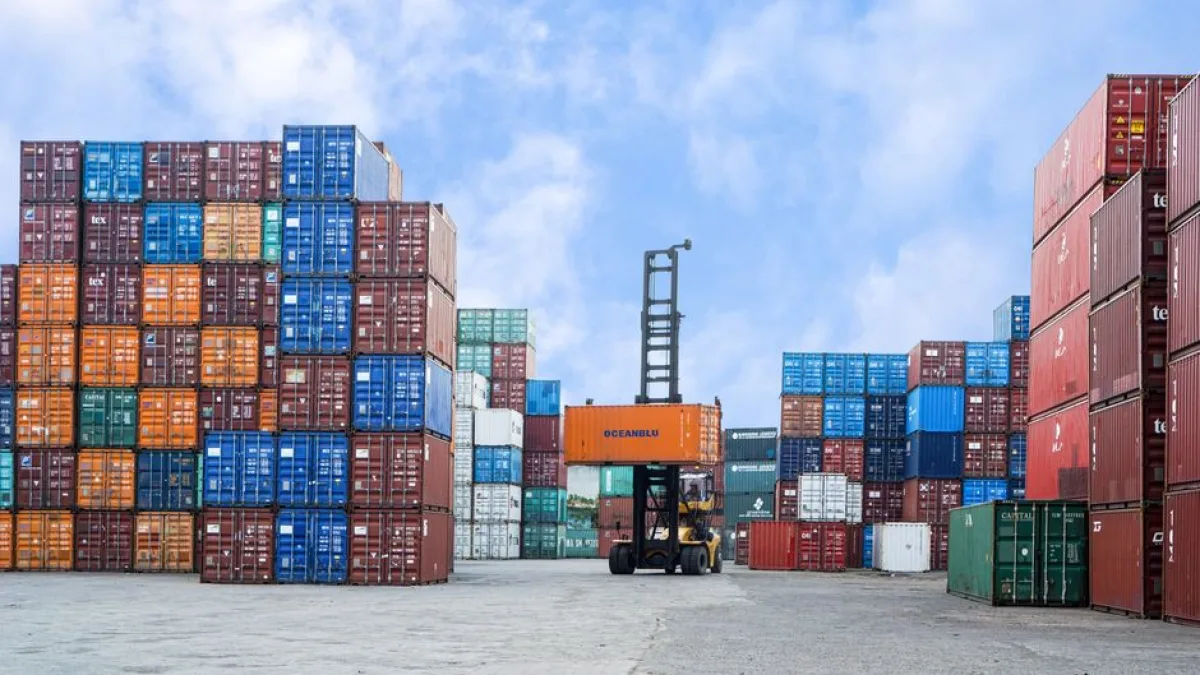
Ocean freight visibility requires navigating complex schedules and carrier updates to ensure that container movements remain on track. Accurate tracking helps forwarders manage port congestion and schedule handoffs with land-based logistics partners to avoid unnecessary demurrage and detention charges.
- Carrier data integration: Direct API connections with major shipping lines eliminate the need for portal hopping, providing a unified view of your entire ocean freight pipeline in one place.
- Container movement monitoring: Real-time tracking of container numbers allows for precise location mapping, which is essential for coordination with drayage providers at busy international marine terminals or ports.
- Exception management workflows: Systems automatically flag shipments that deviate from the planned route, allowing your operations specialists to intervene immediately to resolve documentation or clearance errors that cause delays.
- Historical route analysis: Reviewing past performance data enables you to choose more reliable shipping lanes for future bookings, ensuring consistent transit times for your most important retail clients.
Efficient ocean freight management saves significant costs by reducing idle time and preventing common administrative errors. When you provide accurate visibility to your partners, you enhance the overall reliability of your supply chain. As your business manages larger volumes, maintaining this level of control becomes the primary driver of efficiency and profitability for your logistics operations and your shipping company.
Streamlining Land Transport Operations

Once cargo leaves the port, tracking efficiency must continue through the final mile to ensure on-time delivery. Integrating land transport data with ocean updates creates a cohesive view of the entire shipment lifecycle for your clients and your team.
- Integrated dispatch systems: Connecting your tracking platform with local trucking partners ensures that updates flow seamlessly from the warehouse floor to the final delivery destination without manual intervention.
- Geofencing for arrivals: Automated geofence triggers notify your team when trucks enter specific zones, ensuring that warehouse staff are ready to unload containers immediately upon their arrival at site.
- Proof of delivery: Digital document management allows drivers to upload signed receipts directly through mobile apps, closing the loop on every shipment immediately after the cargo is dropped.
- Route optimization tools: Advanced mapping software evaluates traffic conditions and driver availability to find the most efficient path, reducing fuel consumption and speeding up the final delivery phase significantly.
Coordinating land transport requires precise communication and reliable data sharing between diverse logistics partners. By moving these processes onto a cloud-based software platform, forwarders can eliminate the delays associated with manual paperwork and phone calls. This integration ensures that every stakeholder remains informed, creating a professional experience that encourages repeat business and improves your reputation as a dependable global logistics partner.
Enhancing Customer Trust with Data

Transparent communication is the cornerstone of professional freight forwarding, especially when unexpected delays occur. Proactive data sharing allows forwarders to maintain long-term partnerships even during challenging shipping cycles by demonstrating accountability and providing reliable, honest status reports to stakeholders.
- Branded tracking reports: Customizable PDF reports offer a professional appearance that highlights your firm's attention to detail and commitment to keeping clients informed during the complex shipping process.
- Automated status summaries: Scheduled reports sent directly to client inboxes keep them updated without the need for manual outreach, fostering confidence in your ability to manage their supply chain.
- Transparent communication channels: Built-in chat or comment functions allow clients to ask questions about specific shipments directly within the tracking interface, preventing information loss across disparate email threads.
- Performance KPI dashboards: Sharing high-level performance metrics with your key accounts demonstrates the value you provide, proving that your logistical expertise leads to better transit outcomes and savings.
Building trust requires a commitment to radical transparency in every interaction with your clients. By leveraging sophisticated tracking software, you provide the clarity that customers demand in today's modern economy. This reliability turns a standard service provider into a strategic partner, securing your position in the market and ensuring that your clients return to your firm for all future global shipments.
Conclusion
Mastering shipping and tracking is essential for modern freight forwarders who want to excel in a competitive market. By adopting cloud-based software, you gain the visibility required to manage complex logistics while improving client relationships. Start optimizing your tracking processes today to reduce manual tasks, lower operational costs, and build a more resilient business that is prepared to handle the future of international trade.