Mastering Global Logistics with Advanced Shipping and Tracking Tools
Saturday, September 26 2026

Modern freight forwarding relies on the seamless integration of digital visibility tools to maintain a competitive edge in an increasingly volatile global market. As supply chain complexities mount, professionals must leverage cloud-based software to provide clients with real-time data and transparency. Moving beyond manual spreadsheets allows forwarders to automate updates, reduce administrative overhead, and mitigate risks before they impact delivery timelines. By adopting a proactive approach to tracking, your team can transform logistical challenges into operational advantages, ensuring that shipments reach their destinations efficiently while maintaining high levels of customer satisfaction throughout the entire international transit process.
The Importance of Real-Time Visibility
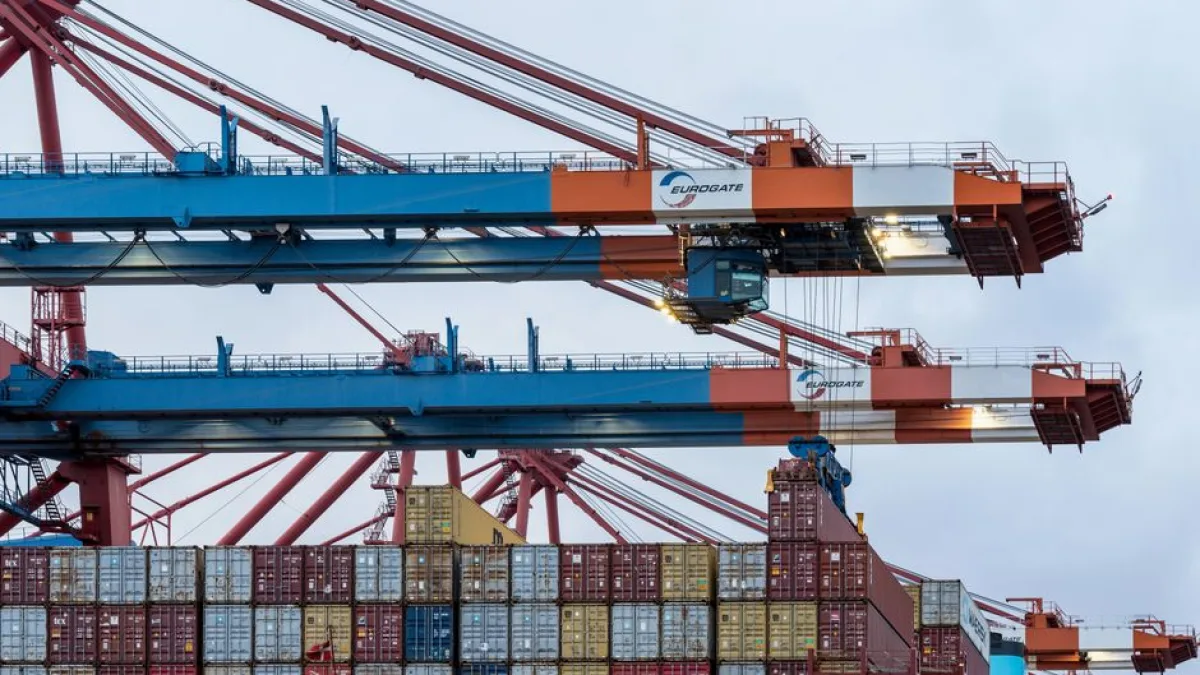
Real-time visibility serves as the backbone of modern shipping, allowing forwarders to monitor cargo from origin to final destination. This continuous flow of information empowers teams to manage expectations proactively and resolve potential disruptions before they escalate into costly shipping delays.
- Enhanced Operational Efficiency: Real-time data streams allow logistics coordinators to monitor global transit paths constantly, enabling them to reroute shipments instantly when unexpected port congestion or weather events occur.
- Improved Client Trust: Sharing live tracking updates directly with your customers fosters long-term professional relationships by demonstrating reliability and complete transparency throughout the entire international shipping lifecycle process.
- Data Driven Decisions: Access to historical performance metrics allows your team to analyze carrier reliability and choose the most effective shipping lanes for future high-value cargo shipments.
- Automated Notification Systems: Setting up trigger-based alerts ensures that your staff is notified immediately about status changes, reducing the need for constant manual checks of carrier websites.
By implementing robust tracking solutions, your company gains a deeper understanding of shipment lifecycles, which directly influences your ability to provide competitive pricing and service packages. This digital oversight reduces the time wasted on status inquiries, allowing your staff to focus on high-level strategic tasks rather than administrative tracking duties. Ultimately, real-time visibility is not just a luxury but a fundamental necessity for growth.
Optimizing Workflow Through Cloud Integration

Cloud-based platforms provide a centralized hub for tracking and communication, bridging the gap between disparate shipping partners. Integrating your tracking software with existing ERP systems ensures that data remains consistent and accessible for every stakeholder involved in the complex logistics chain.
- Seamless Platform Syncing: Connecting your freight forwarding software to major ocean and air carriers allows for instant synchronization of tracking numbers and milestone events without manual data entry.
- Centralized Information Access: Having a single source of truth prevents the common errors associated with scattered documentation, ensuring that every team member sees the same current shipment data.
- Scalable Resource Management: Cloud infrastructure grows alongside your business, supporting increased shipment volumes without the need for additional costly physical hardware or complex local server maintenance tasks.
- Secure Data Storage: Encrypted cloud platforms protect sensitive shipping details and client information from cyber threats, ensuring compliance with international data privacy standards for all global operations.
Streamlining your workflow through cloud integration removes communication silos that typically plague traditional freight forwarding businesses. By automating data entry and ensuring that updates are reflected instantly across all connected systems, you minimize the risk of human error. This technological foundation allows your team to scale operations efficiently, meeting client demands while maintaining a lean and highly responsive organizational structure today.
Proactive Risk Mitigation Strategies

Anticipating potential bottlenecks is the hallmark of a successful freight forwarder. With advanced tracking tools, professionals can identify patterns and risks early, allowing for strategic adjustments that keep the supply chain moving smoothly despite unforeseen global logistical challenges or disruptions.
- Early Exception Detection: Intelligent software platforms flag potential transit delays automatically, giving you the lead time required to communicate effectively with clients and adjust expectations before issues arise.
- Dynamic Route Optimization: Advanced tracking insights help identify recurring problem areas, empowering your team to select alternative carriers or routes that offer better reliability during peak seasons.
- Contingency Planning Support: Having historical tracking data at your fingertips makes it easier to build realistic contingency plans for high-stakes cargo movements involving multiple transit modes worldwide.
- Resource Allocation Adjustments: Knowing exactly where your assets are located helps in reallocating human and physical resources, ensuring that your team is prepared for any operational bottleneck.
Proactive management requires a deep commitment to utilizing diagnostic tools that reveal the health of your supply chain operations. Instead of reacting to crises as they unfold, forwarders can use predictive analytics to navigate around common industry hurdles. This forward-thinking mindset not only saves money but also solidifies your reputation as a resilient and reliable partner in the global shipping industry.
Elevating the Customer Experience

Providing a superior customer experience is the most effective way to differentiate your freight forwarding services. A transparent and user-friendly tracking portal gives your clients confidence in your operations, ensuring they feel informed and valued at every step of the shipping journey.
- Branded Tracking Portals: Offering your clients a customized, professional tracking interface strengthens your brand identity and keeps your business at the forefront of their professional consciousness.
- Direct Information Access: Allowing customers to track their own shipments through your portal reduces the volume of status-related email inquiries sent to your dedicated support team daily.
- Customizable Automated Updates: Giving clients the ability to choose their preferred notification frequency and method improves their overall satisfaction and simplifies the way you handle account communication.
- Document Access Integration: Providing easy access to digital invoices and shipping documents directly within the tracking portal adds value to your service and saves administrative time.
Enhancing customer communication through technology creates a professional experience that drives retention and loyalty in a competitive market. By putting detailed, accurate, and accessible information into the hands of your clients, you establish a partnership based on trust and technological competence. This focus on the user experience remains one of the strongest pillars for long-term growth and success for freight forwarders.
Conclusion

Investing in advanced shipping and tracking technology is the most effective strategy for freight forwarders aiming to thrive in the modern era. By prioritizing real-time visibility, cloud integration, risk mitigation, and client satisfaction, you position your business to handle the complexities of global logistics with ease. Start optimizing your operations today with MakeCargo to deliver the seamless, transparent service that your clients truly expect.