Mastering Global Logistics with Advanced Shipping and Tracking Tools
Tuesday, September 29 2026
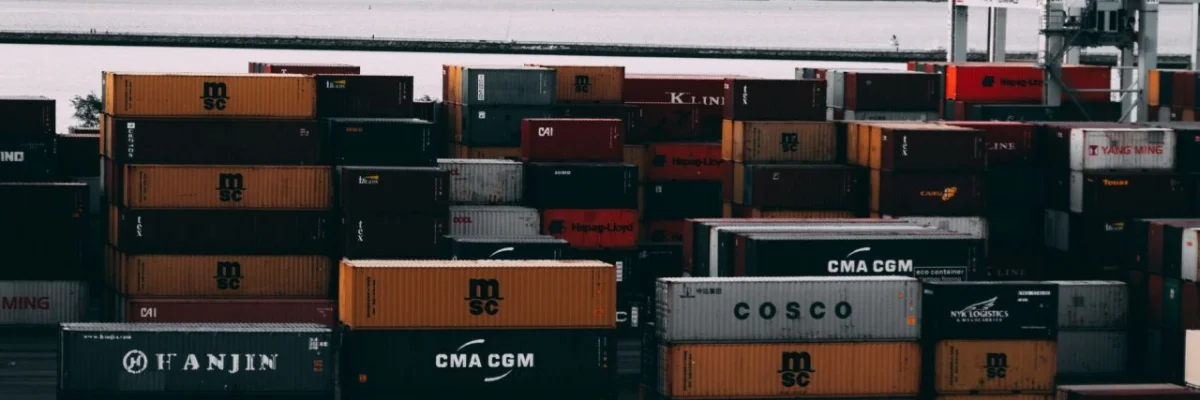
In the fast-paced world of international trade, the ability to track shipments with precision is no longer a luxury but a fundamental necessity for freight forwarders. As supply chains grow increasingly complex, professionals must leverage cloud-based platforms to maintain transparency and operational efficiency. By centralizing data from carriers and ports, logistics providers can anticipate delays and provide clients with real-time updates. This proactive approach not only fosters deeper trust with global partners but also streamlines the flow of goods across borders. Embracing digital solutions ensures that forwarders stay competitive while delivering exceptional service in an evolving marketplace.
Optimizing Real Time Visibility
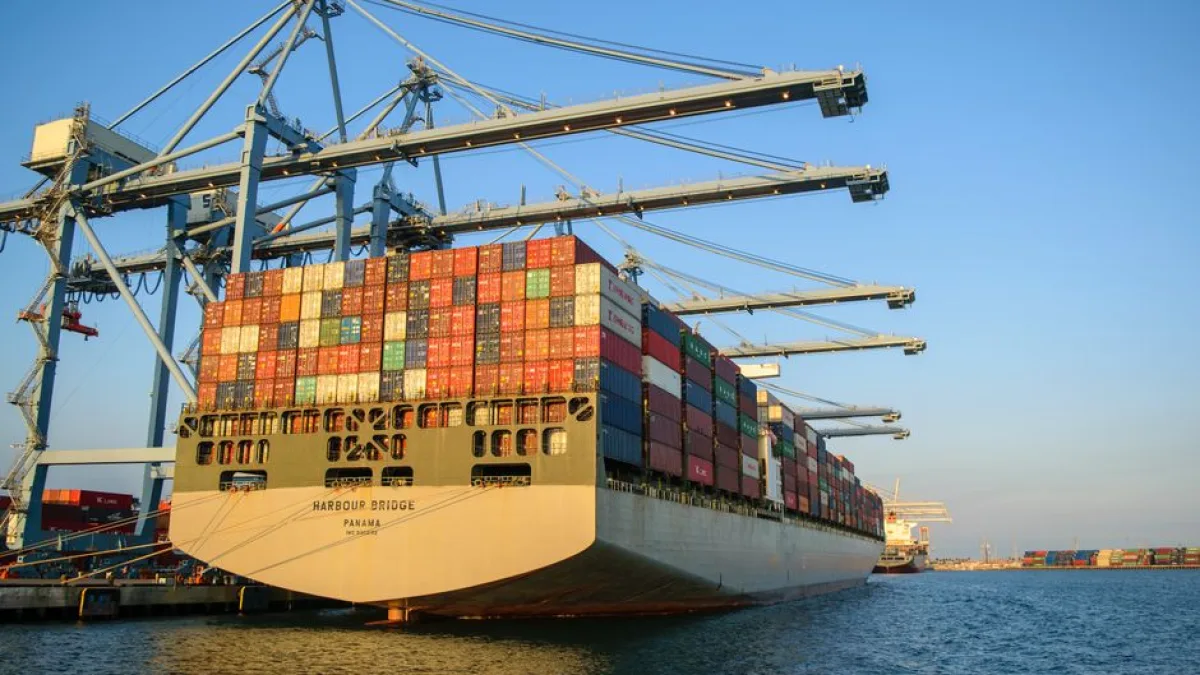
Real-time visibility acts as the backbone of modern freight forwarding operations by providing granular data on container status. Visualizing cargo movement from origin to final destination allows teams to identify potential bottlenecks before they escalate into major disruptions for your valued clients.
- Live Vessel Tracking: Leverage satellite telemetry to monitor your vessel location continuously across the global ocean routes while ensuring accurate delivery schedules are maintained throughout the entire transit process.
- Container Milestone Alerts: Receive automated notifications whenever cargo passes critical checkpoints at terminals or customs gates to keep your operations team informed of every stage of the shipment lifecycle.
- Carrier Data Integration: Connect directly with major shipping line APIs to pull consistent status updates into your dashboard for unified reporting that eliminates the need for manual data entries.
- Interactive Digital Maps: Utilize visual mapping tools to track geographical positions of shipments globally, helping logistics managers make quick informed decisions when rerouting is required during unforeseen port congestion.
Achieving total transparency requires more than just basic tracking tools as it demands a seamless integration of data streams into your core software platform. By eliminating manual input errors and reducing time spent on status queries, your team can focus on higher value strategic planning. Consistent communication through automated updates ensures that your stakeholders receive accurate information while reducing the burden of repetitive administrative tasks daily.
Streamlining Documentation Workflow

Effective documentation management is essential for maintaining smooth transit flow and avoiding customs delays. Digital systems allow freight forwarders to attach tracking data directly to bills of lading and invoices to ensure that every shipment record remains comprehensive and easily accessible.
- Paperless Document Storage: Securely upload all shipping manifests and customs clearance forms into the cloud to ensure that your records remain organized and accessible from any location worldwide.
- Automated Data Matching: Synchronize tracking milestones with specific cargo documentation to verify that all requirements are met before the shipment reaches its next destination in the supply chain.
- Version Control Systems: Track every modification made to essential shipping documents so that your team always works with the latest information and avoids costly errors during compliance audits.
- Secure Access Controls: Manage permissions for clients and partners to ensure that sensitive tracking documentation remains protected while allowing authorized stakeholders to view necessary shipment status files.
Integrating your tracking software with document management features significantly reduces the risk of administrative bottlenecks that often plague the forwarding industry. When documentation keeps pace with the actual physical movement of goods, compliance improves and cycle times decrease. This cohesive environment enables your team to handle higher volumes of shipments without compromising on quality or accuracy during peak seasons for international trade.
Leveraging Predictive Analytics

Predictive analytics allows forwarders to move beyond simple status monitoring by forecasting potential delays based on historical patterns and current port congestion. Utilizing this intelligence empowers your firm to offer proactive solutions that keep your clients ahead of the curve.
- Historical Trend Analysis: Review years of transit data to identify recurring seasonal delays or carrier performance issues that might impact future shipments across specific global trade lanes.
- Congestion Forecasting Tools: Access predictive models that estimate port dwell times based on current traffic flow and vessel arrival patterns to adjust your shipping strategies accordingly today.
- Risk Management Insights: Pinpoint potential vulnerabilities in your supply chain using statistical analysis so that your team can prepare contingency plans before major disruptions affect cargo arrivals.
- Carrier Performance Reports: Evaluate which carriers offer the most reliable transit times based on your historical data to optimize your future bookings for improved reliability and cost.
Harnessing the power of predictive analytics changes the way freight forwarders approach client service by shifting the focus from reaction to anticipation. When you can foresee a delay, you gain the opportunity to resolve it before the client even realizes a problem exists. This strategic advantage differentiates your company in a crowded market while providing clients with the peace of mind they demand.
Enhancing Client Communication

Clear and proactive communication defines the quality of service provided to clients throughout the shipping process. Modern freight forwarding platforms simplify this by offering client portals where tracking data is displayed transparently and updated automatically without human intervention.
- Customizable Client Portals: Provide your customers with a secure web interface where they can view live tracking updates and download shipment documentation at their own personal convenience.
- Automated Email Notifications: Configure personalized alert triggers to notify clients of specific shipment milestones so that they stay informed throughout the journey without constant manual status checks.
- Unified Messaging Systems: Keep all correspondence related to a specific shipment inside the tracking dashboard to ensure that no vital details are ever lost across multiple platforms.
- Direct Feedback Channels: Enable integrated feedback features within your tracking portal to gather client insights and improve your service delivery based on their specific logistics requirements daily.
By digitizing the client experience, you remove the friction that often exists in traditional logistics communication models. Providing instant access to accurate tracking information builds lasting trust and encourages long term partnerships with your most valuable accounts. As you continue to refine these interactions through software, your business will benefit from higher client retention rates and improved operational efficiency across all global service departments.
Conclusion

Mastering shipping and tracking is essential for modern freight forwarders who aim to lead in a competitive global market. By utilizing integrated cloud software, professionals can enhance visibility, streamline documentation, and leverage predictive data to drive efficiency. Start optimizing your logistics operations today by adopting digital tools that provide the transparency and reliability your clients expect from a premier industry partner.