Mastering Global Logistics with Advanced Shipping and Tracking Tools
Friday, October 2 2026
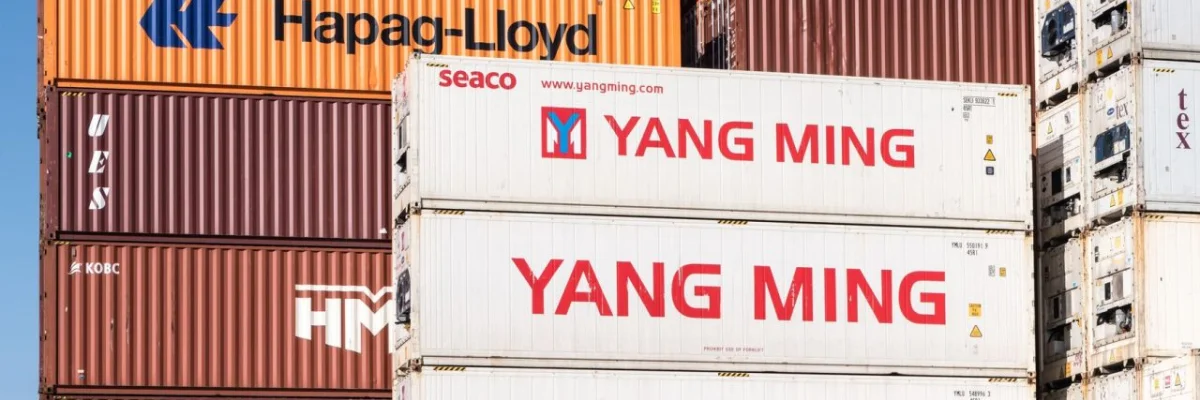
Modern freight forwarding is defined by the demand for instant visibility and granular control over global supply chains. As global trade volumes fluctuate and logistics complexity grows, professionals must adopt sophisticated digital platforms to maintain a competitive edge. Shipping and tracking are no longer just operational tasks but strategic drivers of customer satisfaction and internal efficiency. By integrating cloud-based software, forwarders can transform fragmented manual processes into a cohesive digital workflow. This evolution allows logistics companies to anticipate disruptions, manage exceptions proactively, and provide the transparent, real-time data updates that modern shippers and importers expect as standard industry practice.
The Evolution of Visibility
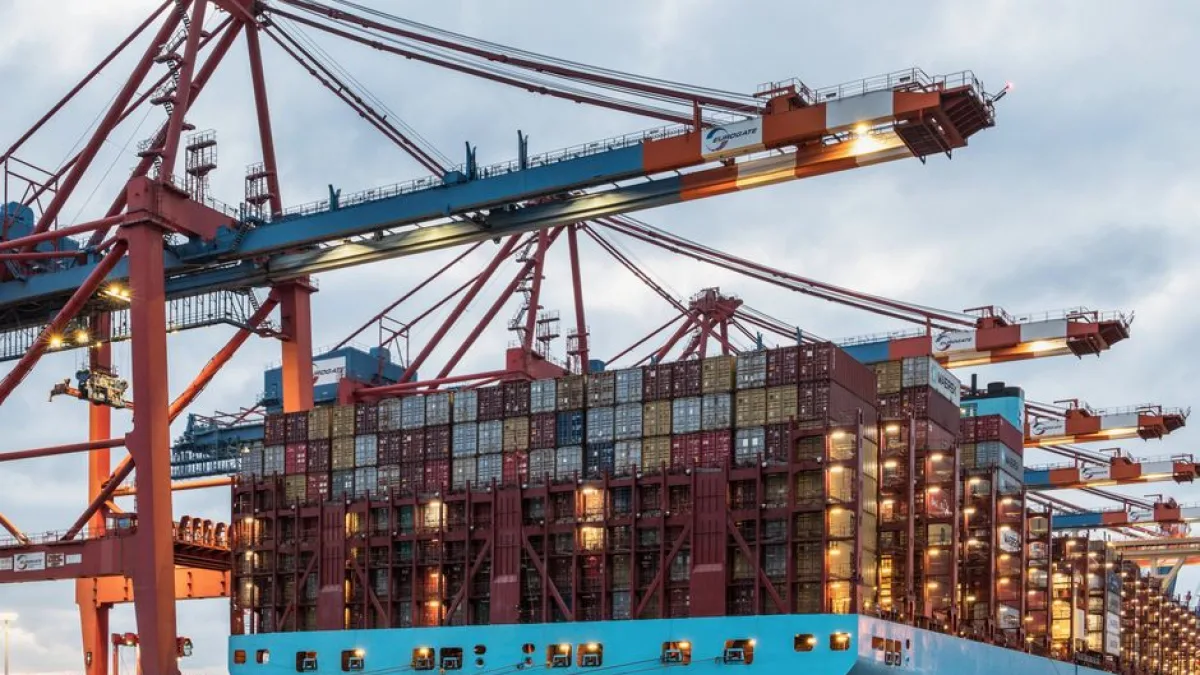
Real-time visibility represents the cornerstone of modern logistics operations. By moving away from manual data entry and email updates, freight forwarders can leverage automated tracking systems to provide shippers with accurate, up-to-the-minute status reports regarding their vital global cargo shipments.
- Automated status updates: Software platforms push automatic notifications to stakeholders whenever a shipment reaches a milestone, significantly reducing the administrative burden on your operations team and eliminating unnecessary manual communication.
- Centralized data hub: Having a single source of truth for all tracking information ensures that every team member accesses consistent data, which minimizes errors and enhances team collaboration.
- Exceptions management alerts: Proactive monitoring systems detect delays or irregularities in transit, allowing your staff to address potential issues before they escalate into costly problems for your clients.
- Enhanced client portals: Providing customers with secure access to their own tracking dashboards increases transparency and builds long-term trust, which is a major differentiator in competitive markets.
- Global carrier integration: Connecting directly with ocean and air carrier APIs ensures that tracking data is pulled in real-time without needing third-party portals or outdated manual updates.
Adopting advanced visibility tools changes the way forwarders engage with clients. Instead of reacting to complaints about late shipments, your team can become a partner in problem solving. This shift fosters stronger professional relationships and demonstrates technical maturity. As your data accuracy improves, you will find that operations become smoother, allowing your staff to focus on higher value tasks rather than just chasing updates.
Optimizing Shipment Throughput

Efficient movement of goods relies on tight coordination across every step of the journey. Freight forwarders who optimize their internal processes see a direct correlation in improved transit times and better capacity planning for their diverse range of global clients.
- Streamlined booking workflows: Digital tools enable rapid booking confirmation and documentation generation, which reduces the time spent on repetitive tasks and speeds up the overall export preparation process.
- Document management systems: Storing all shipping paperwork in a secure, accessible cloud environment prevents document loss and facilitates faster customs clearance procedures at various international border points.
- Resource capacity planning: Advanced analytics software allows managers to forecast shipping volumes, ensuring that internal teams and warehouse resources are perfectly aligned with upcoming demand patterns efficiently.
- Carrier performance tracking: Analyzing historical data regarding carrier speed and reliability helps you choose the best partners for specific trade lanes to ensure consistently superior service levels.
- Automated billing cycles: Linking shipment milestones to invoicing triggers ensures that payments are requested promptly, which improves cash flow and stabilizes your financial operations significantly each month.
Optimizing these core processes leads to substantial time savings and reduced overhead costs. When your team spends less time on data entry and more on strategic planning, your overall throughput increases. This operational agility allows your firm to handle sudden market shifts without sacrificing quality. Ultimately, a streamlined workflow provides the foundation for sustainable growth and a scalable business model in shipping.
Navigating Customs and Compliance

Compliance is a critical aspect of international shipping that requires precise documentation and constant attention to detail. Utilizing technology to manage regulatory requirements helps avoid costly fines and ensures that cargo moves through customs checkpoints without unnecessary and expensive delays.
- Regulatory updates database: Staying informed about changing international trade laws is easier when your software automatically flags potential compliance risks based on the origin and destination ports.
- Digitized customs filing: Moving from paper forms to digital filing reduces the risk of clerical errors that frequently lead to shipment holds or significant financial penalties incurred.
- HS code classification tools: Accurate product classification is essential for calculating duties correctly, and digital tools help your team select the right codes with high precision levels.
- Security screening automation: Ensuring that all shipments meet modern security standards is simplified by automated checklists that verify cargo contents against international safety regulations and protocols.
- Audit trail history: Maintaining a comprehensive digital history of all customs interactions provides necessary evidence in the event of inspections or legal reviews by authorities.
Mastering compliance adds a layer of reliability that clients value immensely. By minimizing the risk of customs delays, you offer peace of mind that translates into high retention rates. Investing in tools that handle complex regulatory landscapes allows your team to navigate borders confidently. This operational excellence ensures that your shipments remain compliant while moving faster, giving you a distinct advantage over competitors.
The Future of Logistics Intelligence

Data is the most valuable asset in the modern freight industry. By harnessing intelligence gathered from shipping patterns, forwarders can make smarter business decisions, identify new revenue streams, and improve service delivery for their current customer base in this competitive industry.
- Predictive shipment modeling: Analyzing past data allows for better predictions regarding seasonal transit trends, helping you advise clients on optimal shipping times to save on costs.
- Cost benefit analysis: Evaluating the total cost of ownership for different shipping routes helps your team recommend the most economical and efficient logistics solutions available.
- Strategic vendor selection: Using performance data to evaluate carrier partnerships ensures that you are always working with the most reliable providers based on real-world shipping metrics.
- Revenue growth identification: Recognizing patterns in high volume trade lanes allows you to target your sales efforts toward profitable routes where your operational team is strongest.
- Data driven decision making: Moving away from intuition based management to evidence based strategy ensures that every business move is backed by concrete facts and measurable goals.
Logistics intelligence turns raw numbers into a roadmap for your company future. As the market becomes increasingly data centric, those who can interpret their shipping information will lead the way. This capability turns your platform into a strategic partner for your clients rather than just a service provider. Start leveraging your shipment data today to build a more resilient and profitable logistics enterprise.
Conclusion

Mastering the complexities of global shipping and tracking is essential for modern freight forwarders. By integrating cloud technology, optimizing internal workflows, maintaining strict compliance, and utilizing data intelligence, you create a robust foundation for success. Embrace these digital tools to elevate your service levels, build lasting client trust, and scale your operations effectively. Your journey toward a more efficient logistics future starts here.