Mastering Global Logistics with Advanced Shipping and Tracking Tools
Wednesday, October 7 2026

Modern freight forwarding requires more than just moving goods from point A to point B. It demands precision, constant communication, and absolute transparency for clients who expect real time updates. As supply chains become increasingly complex and volatile, forwarders must leverage cloud based platforms to maintain a competitive edge. By integrating advanced digital infrastructure into daily operations, companies can eliminate manual bottlenecks and ensure that cargo status information remains accurate across all touchpoints. This level of technological adoption is no longer an optional luxury but a fundamental necessity for achieving operational excellence and fostering long term growth in the global market.
Optimizing Shipment Visibility
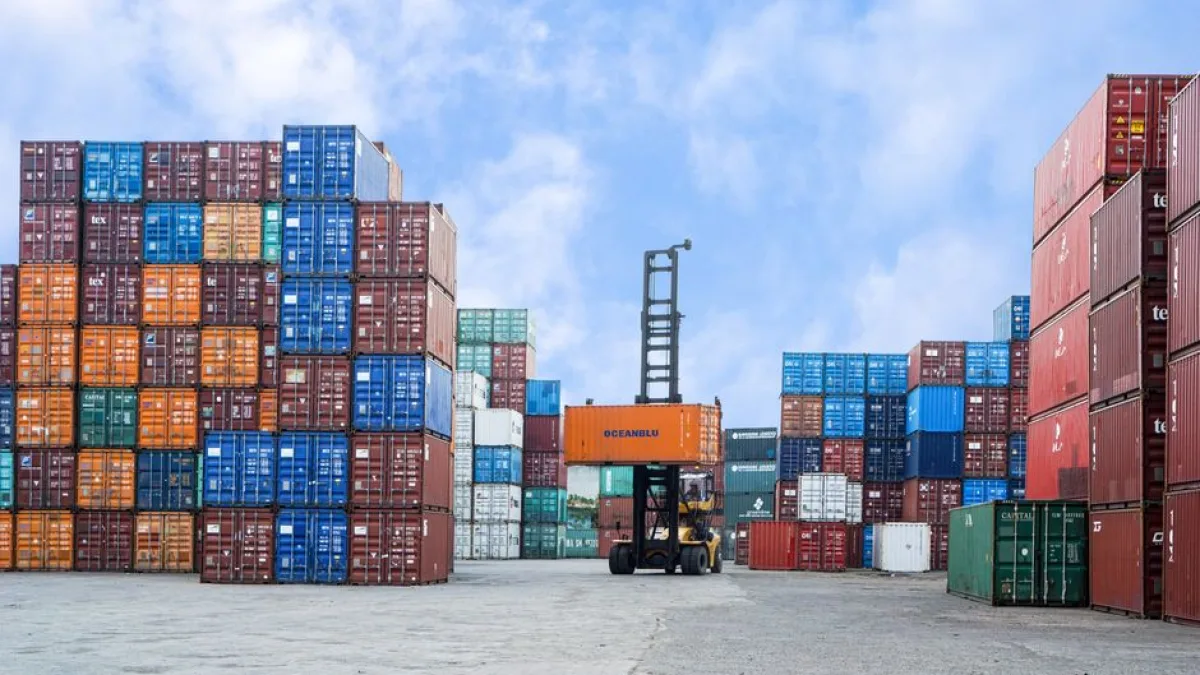
Visibility remains the primary concern for stakeholders throughout the shipping lifecycle. Having access to precise location data allows logistics professionals to proactively manage exceptions before they escalate into costly delays, ensuring that shipments reach their destinations within the expected timeframes.
- Real time monitoring: Utilize cloud based tracking dashboards to maintain continuous visibility over your inventory across multiple transit modes while providing clients with accurate updates on their expected arrival times.
- Automated status alerts: Configure system triggers to notify your logistics team instantly when a shipment passes a key milestone or encounters an unexpected delay at major transit hubs.
- Data driven accuracy: Eliminate the human error associated with manual spreadsheets by syncing your tracking platform directly with carrier APIs for consistent and reliable supply chain transparency.
- Custom client portals: Provide your customers with a secure login area where they can monitor their own cargo status, which reduces the volume of repetitive inquiry emails.
Achieving total shipment visibility transforms how you interact with your clients and partners. By removing the guesswork from global logistics, you build a reputation for reliability that keeps your business ahead of the competition. Modern software platforms make it simple to centralize data, turning raw tracking information into actionable intelligence that empowers your team to make smarter, faster decisions in a fast paced industry environment.
Streamlining Documentation Workflows

Paperwork often acts as a major roadblock in international trade. Digital document management systems allow teams to process bills of lading, commercial invoices, and customs declarations with remarkable speed, reducing the administrative burden that typically slows down essential freight movement.
- Cloud document storage: Securely upload and retrieve shipping documents from any location, ensuring that your team has instant access to critical paperwork whenever they need it for clearance.
- Automated form filling: Use smart templates to populate recurring shipping documents with existing customer data, which dramatically reduces the time spent on repetitive manual data entry tasks daily.
- Instant file sharing: Enable seamless collaboration by sharing verified shipping documents with international partners and customs brokers instantly, avoiding the delays associated with traditional physical courier methods.
- Version control logs: Maintain a clear audit trail by tracking every change made to your shipping files, ensuring compliance and accountability throughout the entire freight forwarding lifecycle.
Streamlined documentation is the backbone of efficient freight forwarding operations in the current market. By digitizing these critical workflows, you reduce the risk of costly clerical errors that often lead to port fines or shipment holds. Embracing these automated solutions allows your team to focus on high level strategy and relationship management rather than drowning in stacks of paper and email attachments.
Enhancing Carrier Communication

Seamless communication between forwarders and carriers is essential for successful logistics operations. When every party uses a unified platform to share information, the risk of miscommunication decreases significantly, leading to smoother handoffs and more efficient management of transit timelines.
- Unified message centers: Keep all shipping correspondence organized within the platform, preventing important updates from getting lost in individual employee email inboxes or scattered messaging applications throughout the day.
- Collaborative shipping notes: Share internal comments or status updates directly on specific shipment files to ensure that every team member understands the current situation and required actions.
- Automated carrier notifications: Automatically send booking confirmations and pick up instructions to your carrier partners, ensuring that all logistics details are captured accurately before the cargo even moves.
- Direct API integration: Reduce reliance on manual phone calls by connecting directly with major carrier systems for automated updates on vessel schedules, port congestion, and specific container movements.
Efficient communication is the cornerstone of trust in the freight industry. When you keep everyone on the same page using cloud technology, you minimize misunderstandings that can derail schedules. Empowering your staff with tools that facilitate instant data sharing fosters a culture of transparency, ultimately leading to faster problem resolution and higher levels of satisfaction among your international shipping partners and customers.
Leveraging Predictive Analytics

Predictive analytics enables forwarders to anticipate potential disruptions before they impact the bottom line. By analyzing historical shipping data, companies can identify trends and optimize their routing strategies, saving time and resources while improving the overall quality of logistics services provided.
- Route performance analysis: Review historical data to determine which lanes and carriers consistently offer the best transit times, allowing for more informed decision making when planning new shipments.
- Cost forecasting tools: Predict future shipping expenses based on current market trends and seasonal demands, helping your finance team manage budgets with greater precision and far less uncertainty.
- Risk management alerts: Identify regions prone to frequent delays or customs issues using historical performance analytics, enabling you to suggest alternative routing options to your clients proactively.
- Capacity trend monitoring: Track fluctuations in container availability and space to ensure you can secure better rates during peak seasons for your most valuable shipping accounts.
Predictive analytics shifts your focus from reactive firefighting to proactive growth strategy. By utilizing the data already present in your freight software, you can unlock insights that drive operational improvements across every department. This forward looking approach not only saves your company significant operational costs but also positions your brand as a sophisticated leader capable of navigating the most challenging global logistics landscapes.
Conclusion

Integrating these advanced tools into your freight forwarding business is a proven way to improve operational efficiency and client trust. By mastering visibility, documentation, communication, and analytics, you create a robust foundation for future success. Visit MakeCargo today to see how our cloud platform can simplify your shipping and tracking processes. Take the next step toward a more digitized and profitable logistics future now.