Mastering Global Logistics with Advanced Shipping and Tracking Tools
Thursday, October 29 2026
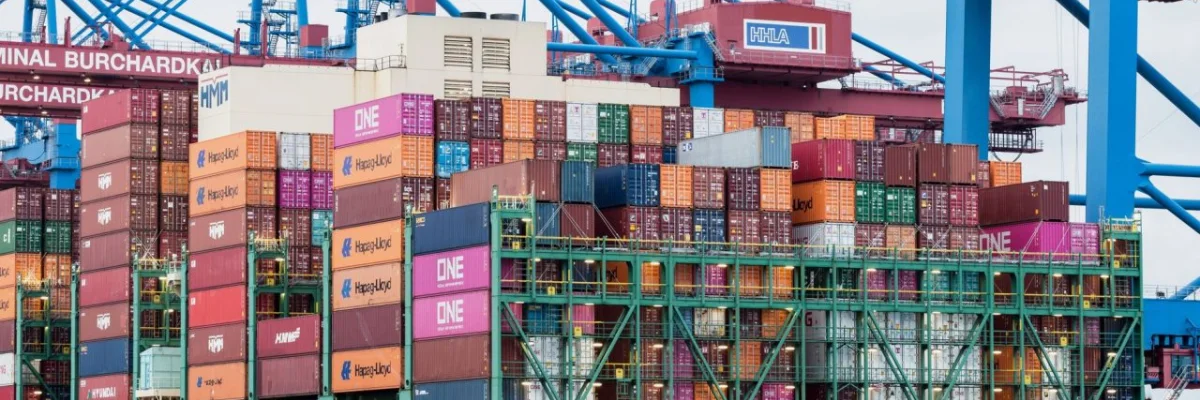
Modern freight forwarding requires precision, speed, and total transparency to stay competitive in a rapidly evolving global market. As supply chain complexities grow, professionals must leverage cloud-based solutions to maintain oversight from port to final destination. The ability to monitor shipments in real time is no longer a luxury but a fundamental necessity for operational excellence. By integrating advanced digital platforms, forwarders can mitigate risks, reduce manual errors, and provide superior service levels that build lasting client trust. This shift toward total visibility empowers businesses to make informed decisions that optimize cargo flow and ensure consistent, reliable, and efficient international transportation outcomes.
The Power of Real Time Visibility

Real time tracking offers a window into your logistical operations by providing instant updates on container status. Visualizing your cargo movement at busy ports helps you identify potential bottlenecks before they escalate, ensuring that your teams stay ahead of complex shipping schedules.
- Proactive Problem Solving: Access immediate data regarding vessel delays or port congestion to notify your clients early. This visibility allows teams to reroute shipments proactively and manage customer expectations effectively.
- Streamlined Data Management: Automate the retrieval of tracking milestones directly within your software platform. Eliminating manual data entry reduces human error while providing accurate information for all stakeholders involved.
- Enhanced Operational Control: Monitor multiple lanes and carriers through a unified digital dashboard. Controlling your entire workflow from one screen significantly improves efficiency and internal communication across departments.
- Client Trust Building: Provide customers with secure portals to track their cargo status at their convenience. Transparent reporting fosters deeper professional relationships and enhances the overall service experience provided.
Adopting sophisticated tracking technology allows forwarders to move beyond reactive management. Instead of spending hours chasing carrier updates, your staff can focus on high value tasks that grow your business. When you have a clear view of where your cargo is located, you regain control over your logistics strategy and can promise reliable delivery windows that keep your clients satisfied and loyal over time.
Automation in Document Processing

The transition toward paperless document processing remains a critical step for freight forwarders aiming to increase speed. Managing bills of lading and customs forms within a unified cloud environment ensures that essential paperwork moves as quickly as your actual cargo.
- Automated Workflow Triggers: Set up smart notifications that alert staff when documents require urgent signature or review. Automated reminders ensure that no critical deadline is missed during the transit.
- Centralized Document Repository: Maintain an organized archive of all shipping records accessible from any location worldwide. Having a single source of truth prevents confusion and saves valuable time.
- Reduced Administrative Costs: Shift away from manual printing and physical filing systems to save resources. Lowering your overhead costs through digital transformation improves your overall profit margins significantly.
- Improved Compliance Accuracy: Utilize built in verification tools to check customs declarations against international regulations. Ensuring accuracy at the start prevents costly fines and delays at border crossings.
Efficiency relies on how well your team manages the flow of information alongside the flow of goods. By automating the documentation phase of shipping, you remove the common hurdles that lead to administrative backlogs and delayed departures. This streamlined approach keeps your operations agile, enabling your company to handle higher volumes of freight without needing to increase your staff or overall infrastructure costs.
Integrating Carrier APIs for Accuracy

Carrier integration through APIs brings external tracking data directly into your internal systems. This connectivity ensures that you always work with the most current shipping information, effectively bridging the gap between your platform and major global ocean carriers.
- Instant Data Synchronization: Receive automatic updates from carrier systems without needing to visit individual carrier websites. This seamless integration ensures your tracking status is always perfectly synchronized.
- Reliable Predictive Analytics: Leverage historical data from carriers to predict potential arrival delays based on past trends. Making data driven decisions improves your logistics planning and reliability.
- Seamless System Interoperability: Connect your existing freight forwarding software with external carrier networks effortlessly. Compatibility between platforms allows for a smooth exchange of information across the supply chain.
- Eliminated Data Silos: Break down information barriers that prevent your team from accessing complete shipment histories. Unified data leads to better coordination and a more responsive shipping environment.
Integrating modern APIs is the secret to building a truly connected logistics network. When your internal software communicates directly with carriers, you eliminate the fragmentation that often plagues manual shipping processes. This level of synchronization empowers your forwarders to act with confidence, providing precise answers to clients while minimizing the friction that often occurs during the transit of complex, multi-modal international freight.
Customer Centric Tracking Portals

A dedicated customer portal serves as the primary touchpoint for your clients, offering a professional interface for monitoring shipments. Providing self-service tools empowers your customers while reducing the volume of status inquiries handled by your busy operations team.
- Self Service Tracking: Empower clients to monitor their shipment status without calling your office for updates. Self-service tools save your staff time and increase satisfaction.
- Customized Reporting Tools: Allow customers to generate their own performance reports based on their specific shipping history. Tailored insights add significant value to your service offerings.
- Secure Data Access: Ensure that only authorized personnel can view sensitive shipping and pricing information. Maintaining high security standards protects your client data and builds trust.
- Brand Consistency Options: Customize the look and feel of your portal to align with your corporate branding. A professional portal reinforces your commitment to modern logistical excellence.
Empowering your clients with direct access to tracking data is a hallmark of a modern, service-oriented forwarder. When your customers have the information they need at their fingertips, they feel more confident in your ability to manage their supply chain. This approach turns your tracking portal into a competitive advantage that sets your firm apart, demonstrating your dedication to transparency, accessibility, and superior communication.
Conclusion

Mastering shipping and tracking is essential for modern freight forwarders who want to thrive in a digital-first economy. By utilizing cloud technology, automated documentation, and integrated carrier APIs, you can ensure high levels of accuracy and speed across your network. Start optimizing your operations today with MakeCargo to see how these advanced tools can transform your business into a more efficient, customer-centric industry leader.