Mastering Global Logistics with Modern Freight Tracking Solutions
Thursday, September 17 2026

In the modern era of logistics, visibility has become the most valuable currency for freight forwarders. As supply chains grow increasingly complex, the ability to provide real-time status updates is no longer a luxury but a fundamental requirement for operational success. Clients now expect instant information regarding their cargo location, condition, and estimated time of arrival. By leveraging cloud-based platforms like MakeCargo, professionals can bridge the gap between fragmented data and actionable insights. This article explores how advanced tracking technology transforms manual processes into streamlined digital workflows, ensuring that your business remains competitive in a rapidly evolving global market.
The Importance of Real-Time Visibility
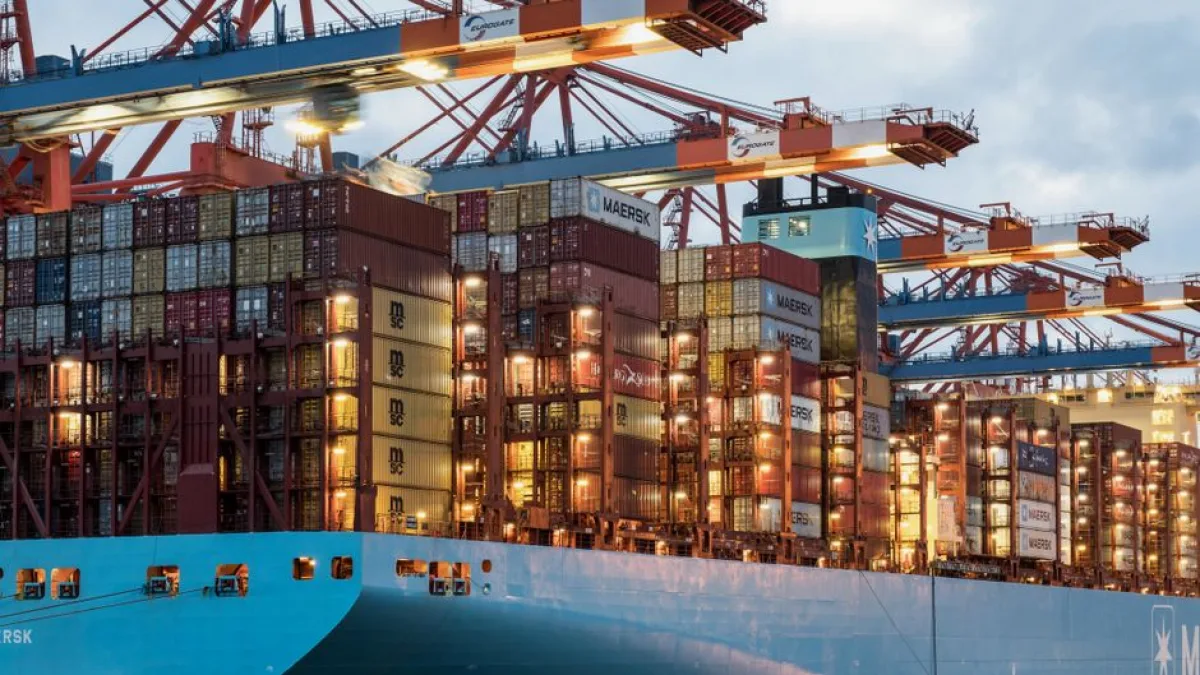
Real-time visibility acts as the backbone of modern freight forwarding, allowing companies to monitor shipments across diverse transportation modes. Accessing live data ensures that forwarders can proactively manage risks and communicate effectively with stakeholders during unexpected delays or environmental hazards.
- Proactive Problem Solving: Identifying potential bottlenecks early allows teams to redirect resources or adjust routing strategies, preventing significant disruptions before they impact the final delivery schedule for customers.
- Client Trust Enhancement: Providing transparent updates builds long-term loyalty, as customers feel secure knowing exactly where their high-value inventory resides during the international transit process every day.
- Data Driven Decisions: Accessing granular tracking metrics helps managers analyze performance trends, identify carrier reliability issues, and optimize future shipping routes for better cost and time efficiency.
- Automated Status Alerts: Sending triggers to stakeholders upon arrival at key milestones reduces administrative burden while maintaining professional communication standards without requiring constant manual emails or phone calls.
Ultimately, high-level visibility platforms serve as a bridge between complex operational demands and customer expectations. By integrating these tools, forwarders gain a significant advantage in the marketplace. You can easily transition from reactive troubleshooting to a proactive service model that delights clients and minimizes downtime. Embracing digital tracking is the most effective way to modernize your operations and scale your business volume successfully.
Centralizing Data in the Cloud

Moving logistics data to a unified cloud environment eliminates the chaos of disparate spreadsheets and emails. Centralized systems provide a single source of truth, enabling teams to access critical shipment documentation from any location with a secure internet connection.
- Unified Documentation Access: Storing all shipping documents in one accessible location prevents loss and ensures that every team member has the current information needed to process cargo.
- Enhanced Team Collaboration: Cloud platforms facilitate seamless communication between remote departments, reducing silos and ensuring that everyone remains aligned on critical updates regarding shipment status or documentation.
- Security and Compliance: Advanced encryption features protect sensitive client data while ensuring that your organization adheres to international regulatory standards regarding cargo transparency and digital document management.
- Scalability for Growth: Digital cloud infrastructures allow your business to scale operations quickly without the need for massive hardware investments or complex on-site server maintenance requirements today.
Centralization acts as the foundation for operational excellence in any forwarding enterprise. By moving away from local files, you foster a culture of transparency and speed. This shift allows your staff to focus on high-value tasks instead of searching for missing documents, which significantly enhances your overall productivity and margins. A robust cloud system is essential for any modern logistics company aiming for growth.
Overcoming Common Tracking Challenges
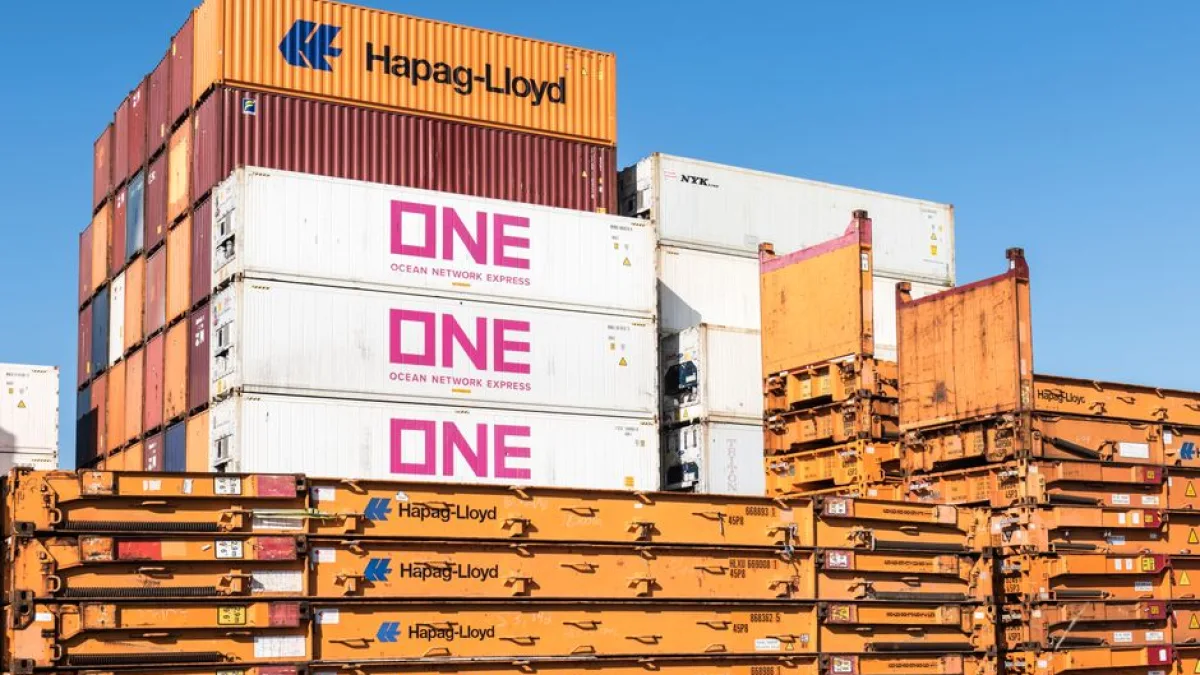
Tracking challenges often arise from fragmented communication channels between carriers and agents. Overcoming these hurdles requires a standard digital language that synchronizes information across the entire supply chain, ensuring that every participant stays informed about the shipment progress.
- Synchronizing Carrier Data: Automated integration with shipping lines allows your platform to ingest data directly, removing the need for manual data entry and reducing human error risks.
- Handling Multi Modal Loads: Effective software manages tracking across ocean, air, and road segments, providing a cohesive view of the cargo journey regardless of the transport method.
- Mitigating Communication Gaps: Standardized digital notifications ensure that agents receive the same accurate information simultaneously, preventing misunderstandings that often lead to expensive delays during the international transit.
- Managing Exception Reports: Intelligent systems highlight critical exceptions, allowing your logistics team to prioritize issues that require immediate attention rather than filtering through thousands of routine updates.
Successfully addressing tracking hurdles requires more than just better tools, it demands a commitment to consistent data management. When you standardize how information is captured and shared, you resolve the most common pain points encountered by forwarding professionals. This methodical approach ensures that even the most complex shipments remain under control, ultimately protecting your company reputation and maintaining client satisfaction throughout the journey.
Leveraging Analytics for Performance

Logistics analytics convert raw tracking data into actionable insights for strategic planning. By reviewing historical patterns, forwarders can uncover hidden inefficiencies, negotiate better contracts, and refine their operational strategy to improve profit margins while providing faster service to clients.
- Identifying Carrier Trends: Long-term performance data helps you evaluate which partners consistently meet deadlines, allowing for better selection when planning future routes or negotiating annual service agreements.
- Optimizing Operational Costs: Analyzing transit times and wait periods reveals specific areas where money is lost, enabling you to implement cost-saving measures that improve your bottom line.
- Forecasting Future Demand: Historical shipment volumes provide a clear picture of seasonal trends, helping your team prepare resources effectively before the peak shipping seasons arrive each year.
- Improving Service Levels: Reviewing the feedback from automated tracking milestones allows you to refine your communication timing, ensuring your clients receive updates exactly when they matter most.
Harnessing the power of analytics turns your shipping data into a strategic asset that guides future growth. You can move beyond simple tracking to become a sophisticated logistics partner that adds value to your clients through data intelligence. Start implementing these analytical habits today to identify new opportunities for improvement and ensure that your freight forwarding services remain both profitable and highly competitive.
Conclusion

Mastering the landscape of shipping and tracking is essential for modern freight forwarders who aim to provide top-tier service. By centralizing data, improving visibility, and using analytics, you position your firm as a leader in the global logistics industry. Implement these strategies using the right digital tools to maximize efficiency, satisfy your clients, and secure long-term growth for your forwarding business today.