Mastering Global Logistics with Modern Freight Tracking Solutions
Wednesday, October 14 2026

In the fast-paced world of international trade, freight forwarding professionals face constant pressure to provide real-time visibility to their clients. As supply chains grow increasingly complex, the demand for transparency has transformed from a competitive advantage into a baseline requirement for survival. Manual tracking methods are no longer sufficient to handle the volume and urgency of modern logistics operations. By leveraging cloud-based platforms like MakeCargo, forwarders can now bridge the data gap, ensuring that every stakeholder remains informed throughout the shipping journey. Adopting advanced digital tracking tools allows your team to focus on strategic growth rather than repetitive manual updates.
The Evolution of Real-Time Visibility

Digital dashboards have fundamentally changed how logistics teams monitor cargo movement across borders. By integrating automated data feeds, these visual interfaces provide a single source of truth for every shipment, allowing teams to anticipate delays and resolve issues before they escalate significantly.
- Automated Status Updates: Receive instantaneous notifications regarding vessel arrivals and departures without manual data entry. This reduces human error and keeps your clients updated with accurate information at every stage.
- Centralized Shipment Data: Keep all documentation and location tracking within one unified platform. This accessibility ensures that your entire team can support clients regardless of their current location.
- Customized Client Portals: Offer your customers private access to track their specific shipments independently. This professional transparency increases trust and reduces the number of inbound status inquiry emails.
- Historical Performance Analytics: Analyze past shipment cycles to identify recurring bottlenecks in specific lanes. This data-driven approach helps in refining your carrier selection and optimizing future logistics strategies effectively.
Transitioning to automated visibility systems requires a fundamental shift in operational mindset. When your team stops chasing emails and starts monitoring proactive alerts, productivity levels soar. This transition allows forwarders to move away from reactive troubleshooting toward a model of preventative logistics management. By embracing digital integration, your company positions itself as a tech-forward leader capable of handling the most demanding global supply chain requirements.
Navigating Complex International Customs
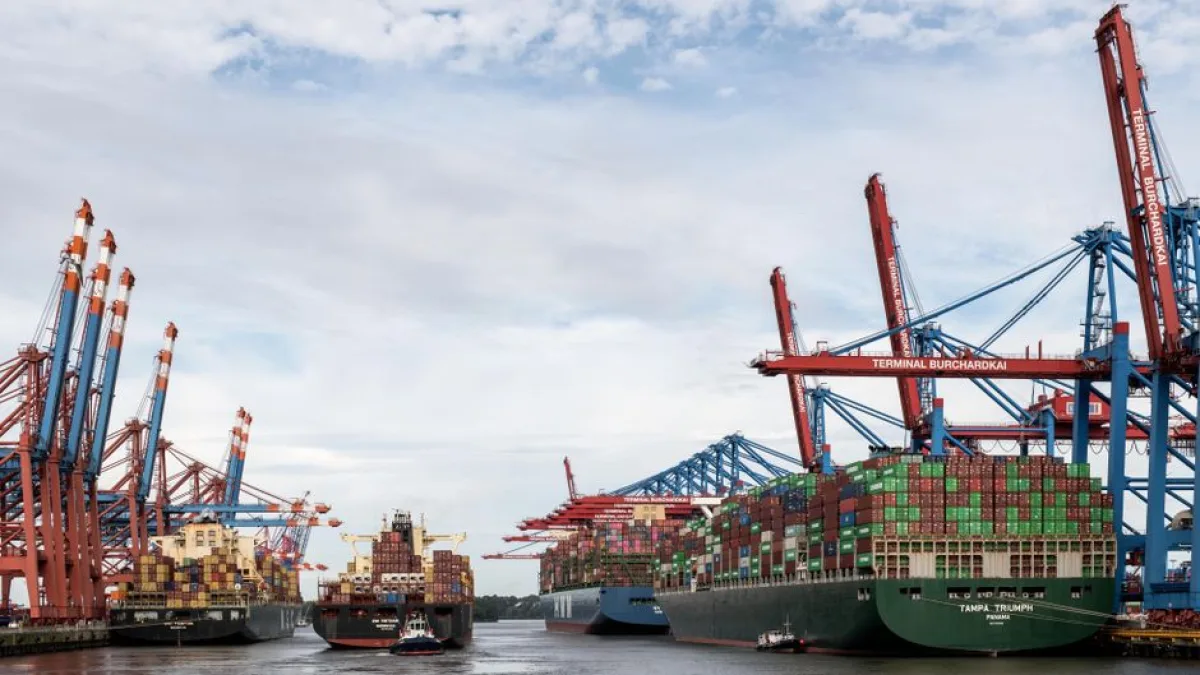
Customs clearance remains one of the most unpredictable stages of the shipping process for any freight forwarder. Efficient documentation management ensures that cargo moves through ports with minimal friction, avoiding costly storage fees and maintaining the integrity of your delivery schedules.
- Integrated Document Storage: Store all customs declarations and certificates in the cloud for immediate retrieval. This secure method prevents loss and ensures compliance with international regulatory standards at all times.
- Regulatory Compliance Alerts: Receive automated reminders regarding upcoming documentation deadlines or changes in local import laws. Staying ahead of these requirements prevents cargo holds and expensive clearance delays.
- Direct Carrier Communication: Facilitate seamless messaging between your agency and customs brokers directly through the software. This reduces communication lag and keeps all necessary parties aligned on priorities.
- Audit Trail Management: Maintain a comprehensive history of every change made to your customs paperwork for full transparency. This feature proves invaluable during internal reviews and international freight audits.
Efficient customs processes are built upon a foundation of accurate information and timely communication. When your software handles the repetitive administrative tasks, your team can concentrate on the complex exceptions that actually require human expertise. By creating a streamlined workflow for documentation, you remove the most common source of delays, resulting in happier clients and a significantly more profitable logistics operation overall.
Optimizing Carrier Performance Management

Monitoring carrier reliability is essential for maintaining a high level of service quality for your shipping customers. By tracking performance metrics, freight forwarders can make informed decisions about which partners provide the best value and the most consistent results across lanes.
- Carrier Scorecard Generation: Evaluate your shipping partners based on transit times and damage incident reports. This data enables you to allocate future volumes to the most reliable service providers.
- Real-Time Delay Tracking: Identify when a specific carrier consistently fails to meet projected delivery windows. Accessing this information allows you to adjust your routing strategies to avoid future issues.
- Cost Analysis Comparison: Review the true landed cost versus initial quotes to identify discrepancies in carrier billing. This oversight ensures that your budget remains intact during every project.
- Reliability Trend Analysis: Use long-term tracking data to forecast seasonal capacity issues and price fluctuations. Preparation based on historical evidence keeps your operations resilient during peak busy seasons.
Understanding how your carriers perform is the key to maintaining a competitive edge in a crowded market. When you have concrete data to back your carrier selections, you gain leverage in negotiations and improve your overall service reliability. This data-driven approach to management transforms your vendor relationships, turning them from simple service transactions into strategic partnerships that benefit your bottom line consistently.
Building Resilience Through Cloud Integration

Cloud integration acts as the backbone for modern freight forwarding businesses seeking to scale. By centralizing operations in a secure digital environment, you ensure that your team remains agile, connected, and capable of handling rapid changes in global shipping requirements or volumes.
- Seamless Team Collaboration: Enable multiple team members to update shipment tracking information from anywhere in the world simultaneously. This flexibility supports remote work and global office expansion plans.
- Data Security Protocols: Protect sensitive client and shipment information with enterprise-grade cloud encryption. Secure infrastructure provides peace of mind for both your business and your corporate shipping partners.
- Scalable System Infrastructure: Adjust your software capabilities as your company grows without the need for hardware investment. This elasticity ensures that your tech stack evolves with your business.
- Automated Backup Systems: Prevent data loss with regular automated backups stored in redundant server locations. Reliable data recovery options ensure that your business continuity is never at risk.
Cloud-based technology is no longer an optional upgrade for logistics companies but a fundamental necessity for operational success. By moving your tracking and management systems to the cloud, you create a foundation for innovation and sustained growth. This digital transformation simplifies complex workflows and provides the insights needed to make better business decisions, ultimately helping you deliver superior value to every single client.
Conclusion
Modern freight forwarding requires a commitment to digital tools that provide clarity, speed, and accuracy. By adopting advanced tracking software and integrated cloud solutions, you ensure your team remains efficient regardless of global logistics challenges. Now is the perfect time to evaluate your current processes and implement a system that supports your future goals. Leverage our platform to elevate your shipping capabilities today.