Mastering Global Logistics with Modern Shipping and Tracking Systems
Sunday, October 25 2026
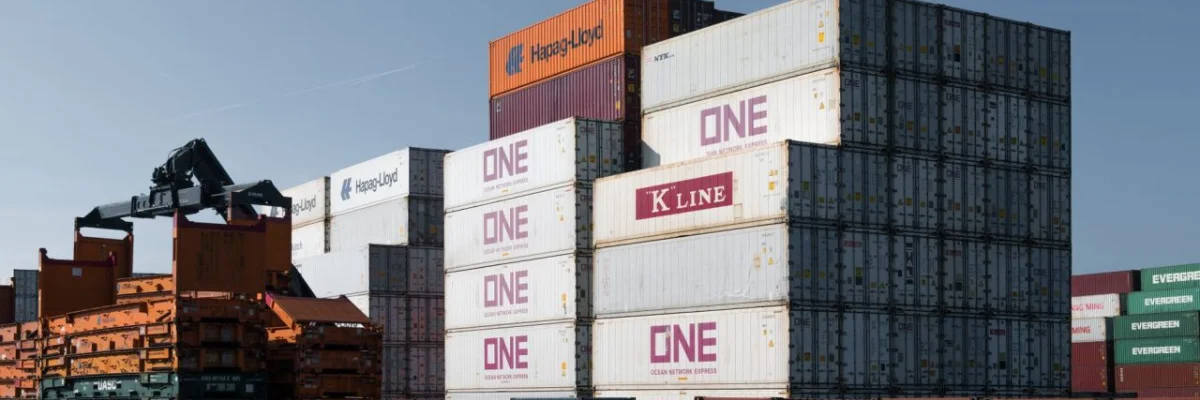
In the fast-paced world of international trade, freight forwarders are constantly seeking ways to improve visibility and operational efficiency. Managing complex supply chains requires more than just traditional spreadsheets or manual entry methods. By leveraging cloud-based platforms, professionals can gain real-time insights into cargo movement while reducing costly human errors. Today, the integration of automated tracking tools and data-driven logistics management is essential for maintaining a competitive edge in a global market. Adopting these advanced technologies allows businesses to streamline processes, improve client communication, and ensure that every shipment reaches its final destination on time without unnecessary delays or confusion.
The Evolution of Real Time Tracking
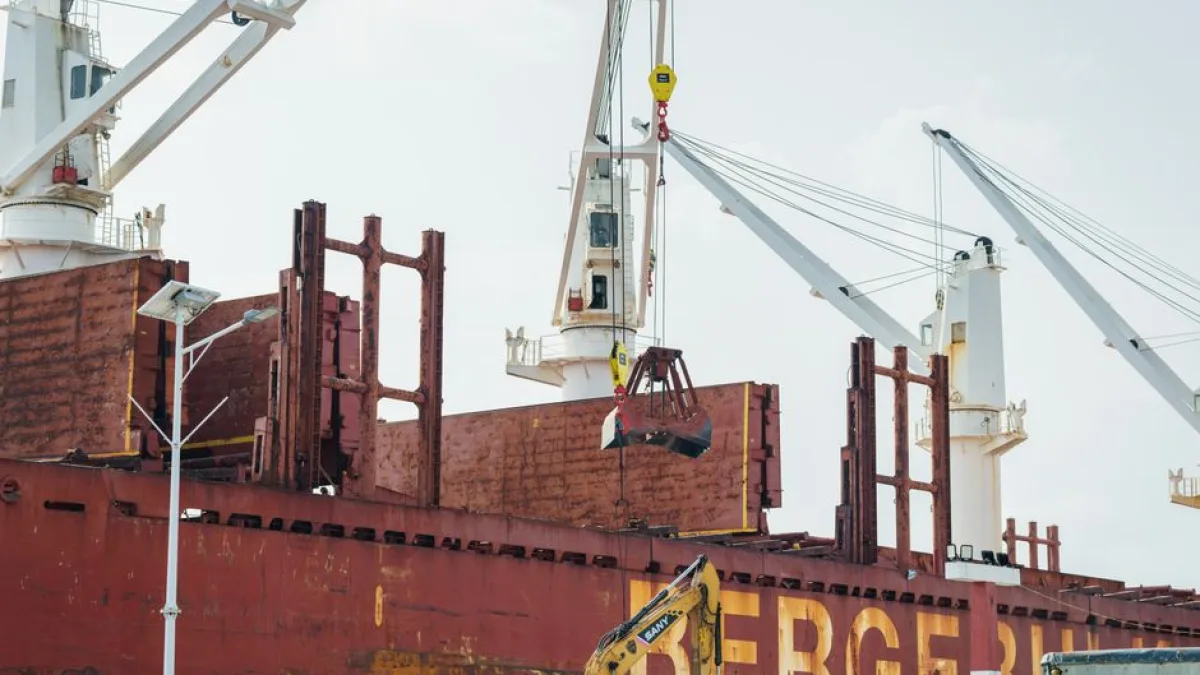
Real-time tracking has revolutionized how freight forwarders monitor shipments across international waters. By integrating live data feeds, logistics providers can see the precise location of cargo vessels, allowing for proactive management of potential transit delays and port congestion issues.
- Automated GPS Updates: Cloud platforms deliver automatic location pings directly from vessels to your dashboard, ensuring that your team always knows exactly where the cargo is at any moment.
- Reduced Client Anxiety: Providing your customers with a branded tracking portal builds significant trust by allowing them to check the status of their freight whenever they need updates.
- Proactive Exception Management: Advanced alerts notify your staff immediately if a container deviates from the planned route, enabling you to take corrective action before a minor problem escalates.
- Improved Planning Efficiency: Having access to live status reports allows your operations team to better coordinate local transport and final mile delivery without relying on constant phone calls.
Transitioning from manual status updates to automated tracking systems represents a major shift for forwarders. It minimizes the time spent on administrative tasks while maximizing the time available for strategic decision making. As client expectations grow, providing instant data transparency is no longer a luxury but a fundamental necessity for every freight forwarder aiming to scale operations and improve overall service reliability across the globe.
Predictive Analytics in Freight Management

Predictive analytics uses historical data to forecast future shipping trends and potential bottlenecks. This forward-looking approach helps freight professionals optimize routes and prepare for seasonal demand spikes that often disrupt standard shipping operations and supply chain reliability.
- Historical Trend Analysis: By evaluating past shipment data, forwarders can identify patterns in route performance and select the most reliable carriers for specific trade lanes and seasons.
- Bottleneck Risk Mitigation: Sophisticated algorithms predict likely congestion at major transshipment hubs, allowing your logistics planners to adjust schedules ahead of time to avoid costly cargo storage.
- Optimized Carrier Selection: Predictive tools help you compare carrier performance metrics over time, ensuring that you select the best partners based on historical reliability and speed.
- Dynamic Schedule Adjustment: Automated insights suggest alternative paths when potential weather events or labor strikes are detected, protecting your client cargo from unnecessary transit disruptions or risks.
Harnessing the power of predictive analytics allows freight forwarders to shift from a reactive stance to a truly proactive model. By anticipating market challenges and route failures, firms can offer superior value to their clients. This data-backed strategy not only reduces the risk of expensive errors but also solidifies your reputation as a reliable logistics partner capable of navigating complex global trade challenges effectively.
Automating Documentation for Seamless Transit

Effective documentation management is the backbone of successful freight forwarding operations. Digitizing paperwork and automating the flow of essential shipping documents ensures that cargo clears customs faster and stays compliant with international trade regulations throughout the entire journey.
- Automated Filing Systems: Cloud platforms categorize and store shipping documents automatically, making it easy for your team to retrieve information during audits or urgent client inquiries.
- Compliance Error Reduction: Built-in validation rules help you catch missing fields or incorrect data in shipping declarations, preventing costly customs holds and delays at port authorities.
- Seamless Partner Integration: Digital document sharing allows for instant collaboration between shippers, carriers, and customs brokers, ensuring everyone works from the same set of accurate data.
- Simplified Audit Trails: Keeping a comprehensive digital history of all shipping documentation makes meeting international compliance standards significantly easier for your logistics firm and its clients.
Moving away from physical paperwork and siloed file systems is essential for modern freight forwarding. Automation reduces the administrative burden on your staff while ensuring that every document is filed correctly and on time. By streamlining the flow of information between parties, your company can reduce overhead costs and focus on providing high-quality service while maintaining total compliance in every region you serve.
Building Client Trust Through Visibility

Transparency is the most important factor in maintaining long-term client relationships within the logistics industry. Providing customers with direct, easy-to-use access to their shipping data empowers them to manage their own supply chains while reducing the workload on your customer support team.
- Customized Client Portals: Offer your customers a professional, branded interface where they can view all their shipment details, documents, and transit timelines in one single location.
- Automated Status Notifications: Configure the system to send automatic email or SMS updates to your clients whenever a status changes, keeping them informed without manual effort.
- Enhanced Data Sharing: Enable secure access for clients to download their invoices, packing lists, and bills of lading, which saves time for both your staff and clients.
- Professional Brand Alignment: Modern software allows you to customize the tracking portal with your company logo and colors, reinforcing your professional brand identity with every interaction.
Empowering your clients with full visibility and self-service tools is a game changer for retention. When customers have instant access to accurate information, they feel more in control of their own business operations. This high level of service fosters trust and positions your freight forwarding firm as a forward-thinking partner. By embracing modern digital tools, you gain a significant advantage in a crowded market.
Conclusion

The future of freight forwarding lies in the seamless integration of technology and logistics management. By focusing on real-time tracking, predictive analytics, automated documentation, and improved client visibility, you can build a more efficient and resilient business. Now is the perfect time to evaluate your existing digital processes and implement the software tools necessary to drive growth and operational excellence for years to come.