Mastering Global Logistics with Advanced Real-Time Tracking
Saturday, July 25 2026
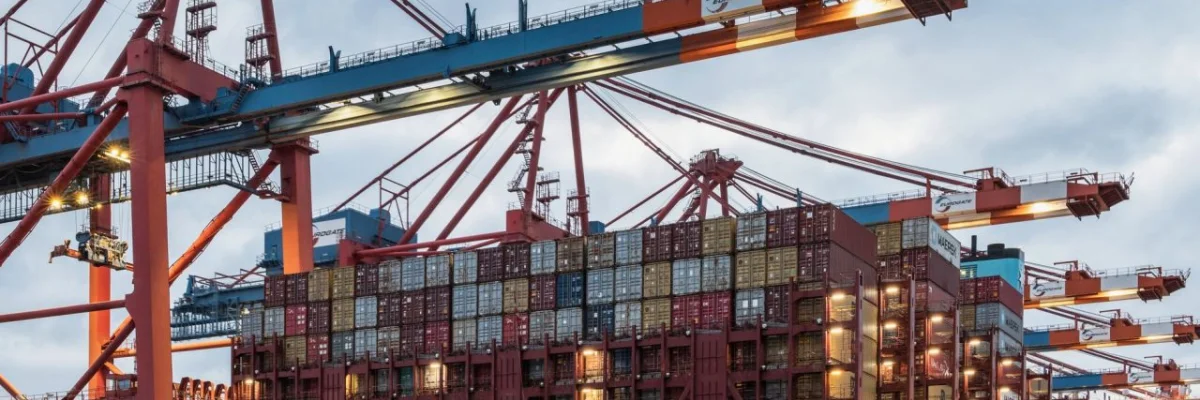
In the fast-paced world of international trade, the ability to monitor shipments with precision is the defining factor between success and operational failure. Freight forwarders today face immense pressure to provide instantaneous updates while managing complex supply chain variables across multiple transit modes. As transparency becomes the primary expectation of global clients, leveraging sophisticated tracking technology is no longer optional for those aiming to scale their business. This article explores how modern software integration bridges the gap between fragmented logistics data and actionable intelligence, empowering forwarders to deliver exceptional service while maintaining full control over their global cargo movements.
The Evolution of Visibility
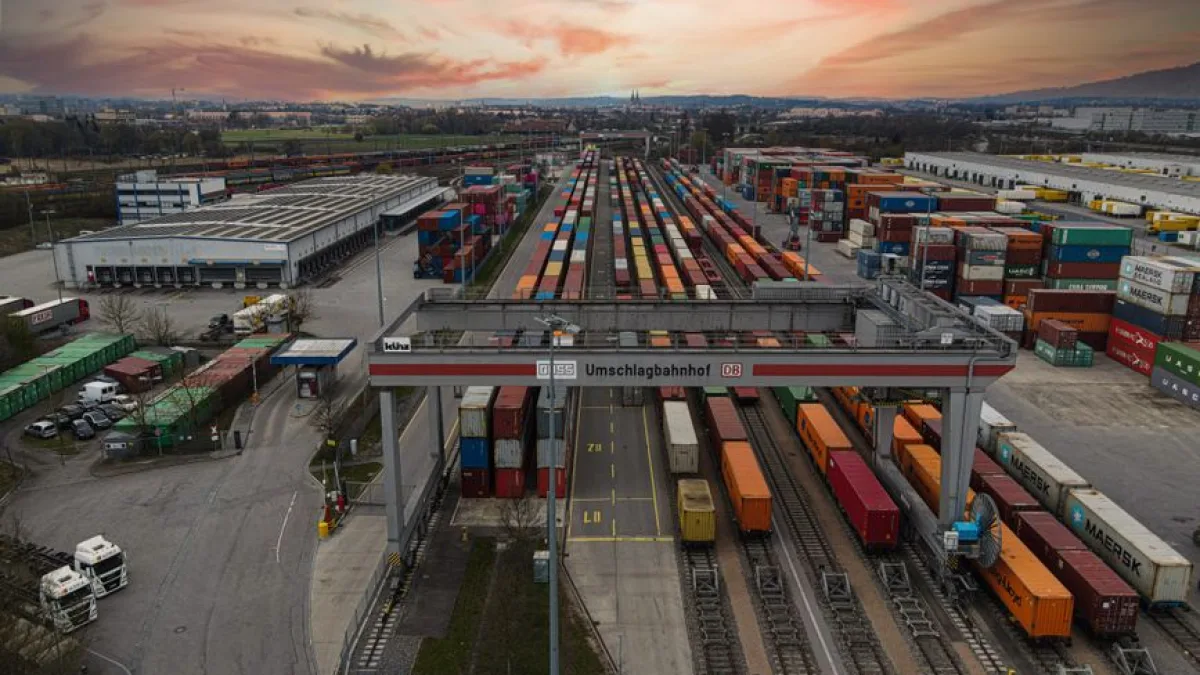
Visibility has transformed from a luxury into a core requirement for every freight forwarder. By integrating real-time data streams into your operations, you can proactively manage exceptions, reduce manual status inquiries, and build lasting trust with your diverse international customer base.
- Enhanced data accuracy: Automated data feeds remove human error from the tracking process by pulling live status updates directly from carrier APIs and port systems into your central dashboard.
- Proactive disruption management: Identifying delays the moment they happen allows your team to communicate effectively with clients and find alternative routing options before the cargo sits idle.
- Client self-service portals: Providing your customers with a secure login to view their own shipment journey reduces the volume of repetitive status update emails hitting your inbox.
- Performance analytics insights: Tracking historical data over time reveals patterns in carrier performance, enabling you to make data-driven decisions when selecting partners for future shipping routes.
Adopting advanced visibility tools changes how your team interacts with day-to-day logistics challenges. By moving away from reactive phone calls and email chains, you reclaim valuable hours that can be redirected toward business growth. The shift toward digital transparency not only satisfies current client demands but also sets your freight forwarding business apart as a leader in technical innovation and service reliability.
Optimizing Carrier Communication
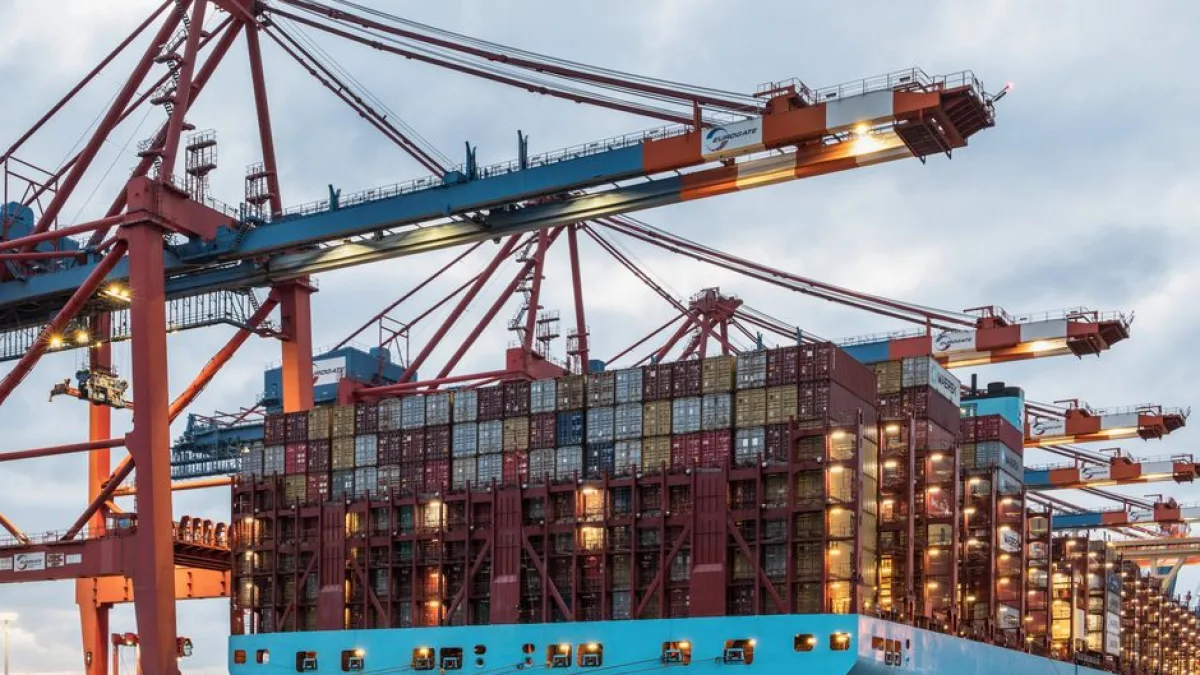
Strong communication lines between forwarders and carriers are essential for maintaining smooth operations. Using integrated software ensures that every stakeholder is looking at the same information, which minimizes misunderstandings and prevents the costly administrative friction found in traditional manual reporting.
- Automated carrier notifications: System triggers send instant alerts when a container moves from one gate to another, keeping all interested parties informed without constant manual oversight.
- Unified document sharing: Centralizing bill of lading and customs documents within the tracking module ensures that the right paperwork is always accessible to the relevant agents.
- Standardized data reporting: Consolidating various carrier formats into a single, clean dashboard view makes it easier for your operations team to interpret complex shipment status updates.
- Improved partner accountability: Maintaining a transparent record of carrier response times and transit adherence encourages better service quality from your logistics partners throughout the supply chain.
Effective communication strategies rely on the consistency of the data shared between parties. When your software acts as the single source of truth, teams spend less time verifying information and more time executing complex logistical maneuvers. This level of coordination is critical for maintaining high service standards during peak seasons when the volume of international transit is at its highest.
Data Driven Risk Mitigation

Risk is inherent in global freight, but advanced tracking software provides the early warning systems needed to navigate uncertainty. By analyzing live data feeds, forwarders can identify potential bottlenecks and weather disruptions, allowing for agile adjustments that keep the global supply chain moving efficiently.
- Weather pattern analysis: Software integrations monitor meteorological data to predict potential port closures, allowing you to suggest alternate routes before vessels are forced to anchor offshore.
- Customs delay warnings: Real-time alerts regarding document holds at border crossings enable your team to expedite clearance procedures before the situation impacts your client delivery timelines.
- Capacity strain alerts: Monitoring terminal congestion levels helps you navigate around busy hubs, ensuring your cargo flows smoothly even during periods of heavy global trade demand.
- Automated exception handling: Predefined rules automatically trigger secondary notifications or rerouting tasks when a shipment deviates from its planned schedule by more than a set time.
Data driven risk mitigation shifts your perspective from panic to strategy. Instead of reacting to problems after they have caused significant delays, your team can use predictive software features to circumvent danger entirely. This approach protects your profit margins, enhances your professional reputation, and ensures that your clients remain satisfied even when external conditions present difficult challenges for your global operations.
Scaling Through Cloud Software

Cloud-based freight forwarding software allows your business to scale operations without the burden of heavy physical infrastructure. As your client list grows, your tracking capabilities expand automatically, ensuring that your team maintains consistent service levels regardless of the total shipment volume managed daily.
- Seamless system integration: Cloud platforms connect easily with existing accounting and CRM software, creating a comprehensive digital ecosystem that streamlines your entire freight forwarding business workflow today.
- Global accessibility features: Team members can access critical tracking data from any location, which is essential for managing international shipments across different time zones and markets.
- Automatic software updates: Cloud providers handle all backend maintenance and security patches, ensuring your team always has access to the latest tracking features and data encryption.
- Flexible resource allocation: You can adjust your software usage based on seasonal fluctuations, allowing your business to manage costs effectively while maintaining robust tracking during busy periods.
The move to a cloud-based model is the smartest investment a freight forwarder can make for future growth. By eliminating technical debt and hardware limitations, you ensure that your operations remain agile, secure, and ready to handle whatever the global market demands. This infrastructure supports sustainable development and positions your firm to compete successfully in a digital-first logistics landscape for many years.
Conclusion
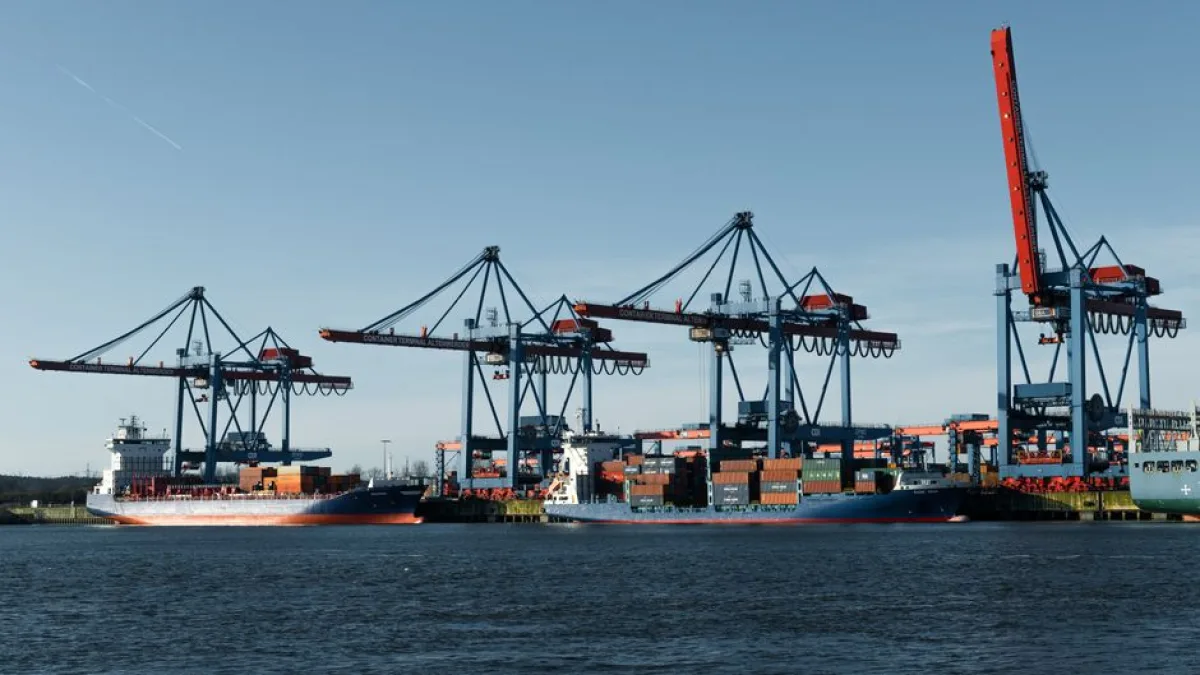
Mastering shipment tracking is a fundamental pillar of modern freight forwarding success. By prioritizing real-time visibility, streamlining communication, mitigating risks through data, and utilizing scalable cloud software, you can exceed client expectations and drive operational excellence. MakeCargo provides the tools necessary to stay ahead in this competitive industry. Contact our team today to learn how our platform can optimize your daily logistics.