Mastering Global Ocean Freight: Strategies for Modern Freight Forwarders
Sunday, July 19 2026
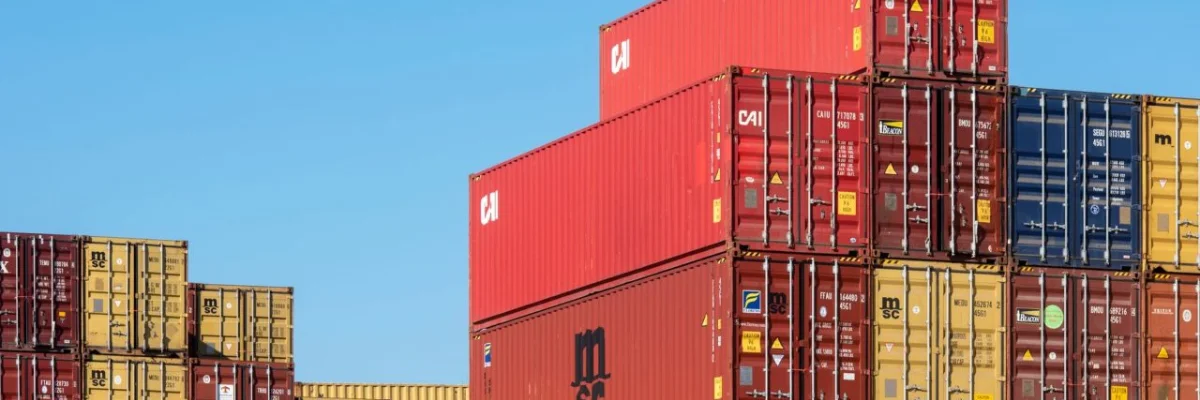
The Evolving Landscape of Global Ocean Freight Operations
In the contemporary global economy, ocean freight remains the backbone of international trade, accounting for over 80% of the volume of global goods moved. For freight forwarders, the challenge has shifted from merely booking space on a vessel to orchestrating complex, data-driven ecosystems that span continents. The rise of cloud-based technology and real-time visibility tools has fundamentally changed the baseline expectation for service delivery. Customers today demand granular insights, immediate cost updates, and proactive exception management. To thrive, forwarding professionals must look beyond traditional logistics management and adopt a strategy rooted in digital agility, deep regulatory literacy, and robust carrier partnerships.
Navigating this complexity begins with a thorough understanding of the current market dynamics, characterized by rapid fluctuations in capacity and evolving bunker fuel regulations. When a forwarder treats ocean freight as a commodity service, they risk becoming obsolete. Instead, successful firms treat ocean freight as a strategic supply chain service where the value lies in mitigating risk and ensuring predictable lead times. This requires a transition from reactive handling to a model of continuous optimization. Whether you are dealing with FCL (Full Container Load) shipments for high-volume retail or complex LCL (Less-than-Container Load) consolidation strategies, the principles remain the same: visibility is the currency of the industry, and efficient information flow is the primary driver of profitability.
The Power of Digital Integration in Shipment Lifecycle Management
Integrating digital solutions like MakeCargo into your daily operations is no longer optional; it is a competitive necessity. Many forwarders still rely on fragmented workflows, moving data between disjointed spreadsheets, email chains, and legacy carrier portals. This siloed approach is the primary cause of errors in bill of lading creation, commercial invoice discrepancies, and missed container cut-off times. A unified platform allows for a single source of truth, enabling your entire team—from operations clerks to sales staff—to access the latest status of a vessel or the specific requirements of a destination port in seconds. Consider the scenario of an unforeseen vessel blanking or port congestion; a digital forwarder can identify impacted containers instantly, initiate rerouting discussions with carriers, and update the end customer in a fraction of the time it takes their manual-processing counterparts.
In the world of ocean freight, the fastest way to lose a client is to surprise them with a delay you didn’t know about; the best way to keep them is to tell them about the delay before it actually happens. – Senior Freight Forwarder
Strategic Capacity Planning and Carrier Relationship Management
Carrier relations are the heartbeat of the freight forwarding business. While many forwarders view the relationship as purely transactional, the top-tier players foster deeper partnerships that provide resilience during periods of capacity crunch. Securing space during peak seasons requires more than just high-volume bookings; it requires reliability and a reputation for documentation accuracy. When carriers are faced with limited space, they prioritize forwarders who provide clean documentation, accurate weights, and prompt payments. Managing your allocations effectively allows you to promise capacity to your customers with confidence, even when market conditions tighten.
Building a robust capacity strategy involves diversifying your carrier base without diluting your influence with primary lines. It is vital to balance Tier 1 carrier reliability with the niche benefits offered by smaller or regional lines that may have more flexible routings. By utilizing data analytics to track carrier performance—such as transit time variance, equipment availability, and billing accuracy—you can make informed decisions about which partnerships drive the most value. This data-driven approach not only helps in optimizing your own costs but also positions you as a consultant to your shippers, helping them navigate complex logistics decisions based on real-time port conditions rather than static transit time estimates.
Optimizing the Last Mile and Intermodal Hand-offs
The journey of a container rarely ends at the port gate. The critical bottleneck for most freight forwarders is the transition from ocean carriage to inland drayage. Efficiently managing the hand-off requires meticulous coordination with trucking partners, container yards, and warehouse facilities. Inefficient drayage management leads to significant demurrage and detention fees, which can quickly erode the margins of an otherwise well-planned ocean shipment. To minimize these costs, forwarders should focus on:
- Implementing proactive container tracking to anticipate arrival dates and coordinate drayage windows in advance.
- Standardizing communication protocols between your forwarding platform and trucking partners to ensure real-time status updates on container discharge.
- Automating documentation workflows to ensure that customs clearance is completed long before the container hits the terminal floor.
- Utilizing regional container pools to ensure equipment availability during peak export or import seasons.
By treating the final leg as an integral part of the ocean journey rather than a separate service, you provide a seamless experience to your customers. This level of oversight turns a routine booking into a high-value service, significantly increasing customer loyalty and operational efficiency across your entire network.
Navigating Global Compliance and Sustainability Trends
The regulatory environment for ocean freight is becoming increasingly complex. With the introduction of the IMO 2020 and 2023 regulations and various regional emission standards, freight forwarders must now act as compliance experts. Your ability to guide customers through carbon emission reporting and ensure that all shipments meet environmental requirements is a growing competitive differentiator. Modern shippers are no longer choosing providers based on price alone; they are increasingly prioritizing forwarders who provide visibility into their environmental impact. By embedding carbon footprint calculators and compliance reporting tools into your digital dashboard, you provide data that is essential for your customers’ ESG (Environmental, Social, and Governance) targets.
Furthermore, managing trade compliance—including complex Incoterms, HS code classification, and local government regulations—is a non-negotiable skill. A single misclassified product or a missing certification can lead to costly delays at the port of destination, resulting in significant fines and strained client relationships. Forwarders must continuously train their teams on evolving trade laws and invest in software that flags documentation errors before documents are even submitted to authorities. By adopting a proactive stance on compliance, you transform your forwarding business into a trusted advisor. This transition from service provider to strategic partner is the key to scaling your operations in an era where global trade is more scrutinized than ever before. Through careful integration of technology, deep carrier relationships, and a culture of continuous learning, the modern freight forwarder is well-positioned to navigate the turbulent, yet incredibly dynamic, seas of global ocean freight.