Mastering Global Ocean Freight: Essential Strategies for Forwarders
Sunday, August 30 2026
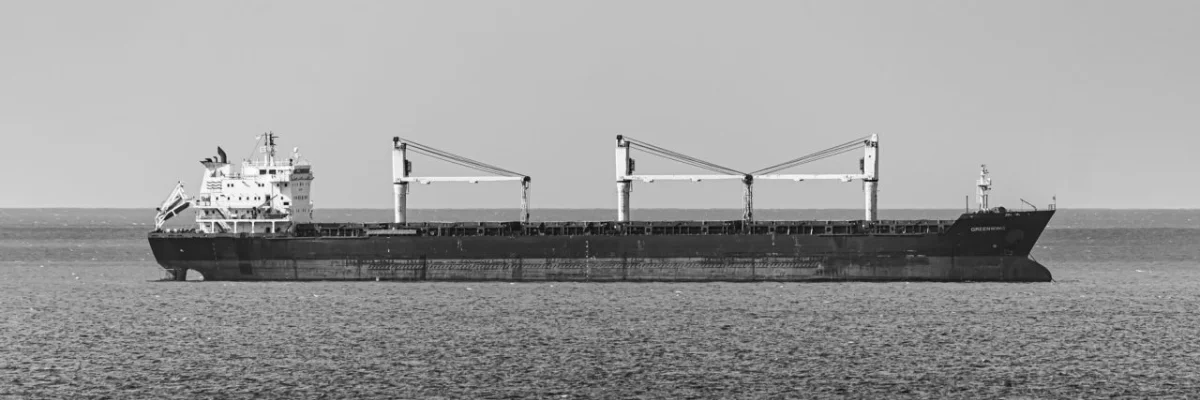
The landscape of international logistics remains a complex web of variables that require constant vigilance and expert management from freight forwarding professionals. As supply chains face increasing pressure from fluctuating fuel costs and shifting geopolitical landscapes, the ability to manage ocean freight with precision is more vital than ever. Forwarders must leverage advanced digital tools to maintain visibility, optimize routes, and ensure the timely delivery of goods across continents. This article explores actionable strategies designed to help your freight forwarding business thrive in a competitive maritime environment while improving service standards and operational efficiency for your global clients.
Optimizing Container Load Planning
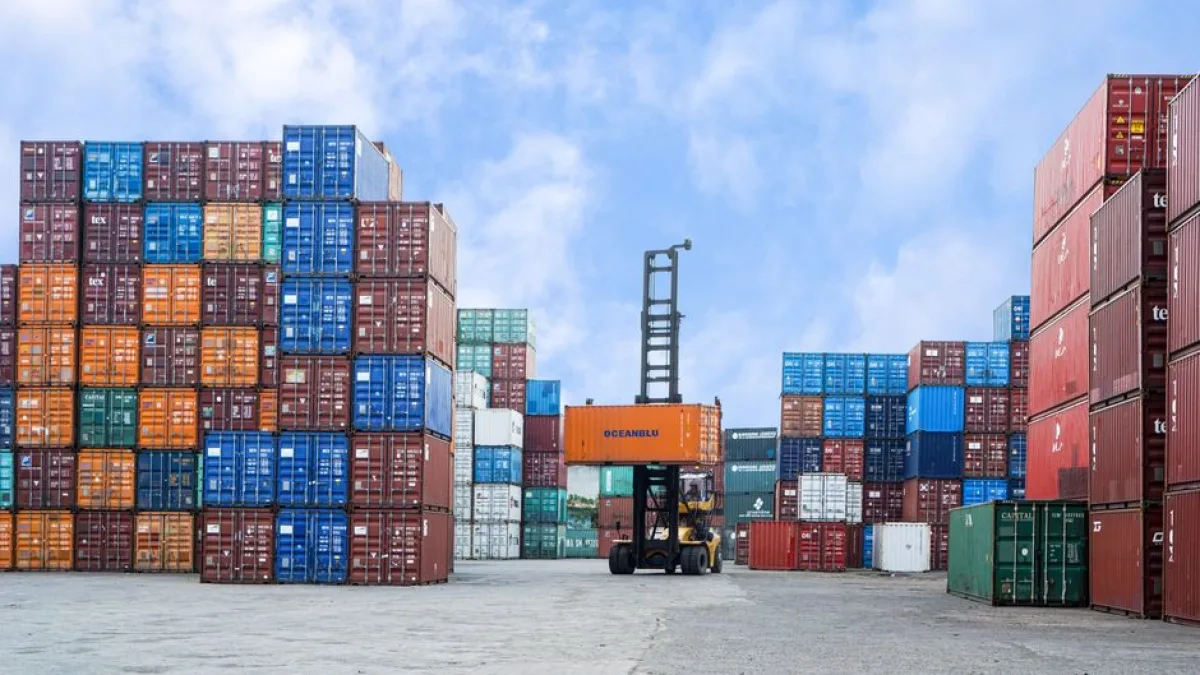
Efficient container utilization is the bedrock of profitable ocean freight operations. By maximizing the space within each unit, forwarders can significantly reduce shipping costs and lower their overall carbon footprint, providing a tangible benefit to both their bottom line and environmental goals.
- Strategic cargo consolidation: Combine shipments from multiple clients into single containers to maximize volumetric capacity and minimize the total number of shipping units required for your regular trade lanes.
- Weight distribution balance: Carefully calculate the weight distribution during the loading process to ensure container stability and compliance with strict international safety standards for heavy ocean cargo transport.
- Digital space mapping: Utilize modern software tools to generate three-dimensional models of cargo placement, ensuring that every cubic inch is used effectively while maintaining necessary airflow requirements.
- Compliance with regulations: Monitor international maritime codes to ensure that hazardous materials or restricted goods are packed correctly to avoid heavy fines or port clearance delays.
Adopting a data-driven approach to load planning allows your team to move away from guesswork and manual calculations. When your operations department can visualize the interior of a container before physical loading begins, they reduce the risk of structural damage and optimize transport costs. These efficiency gains demonstrate high levels of professionalism to your customers, ultimately fostering long term trust and repeat business opportunities.
Navigating Complex Port Operations
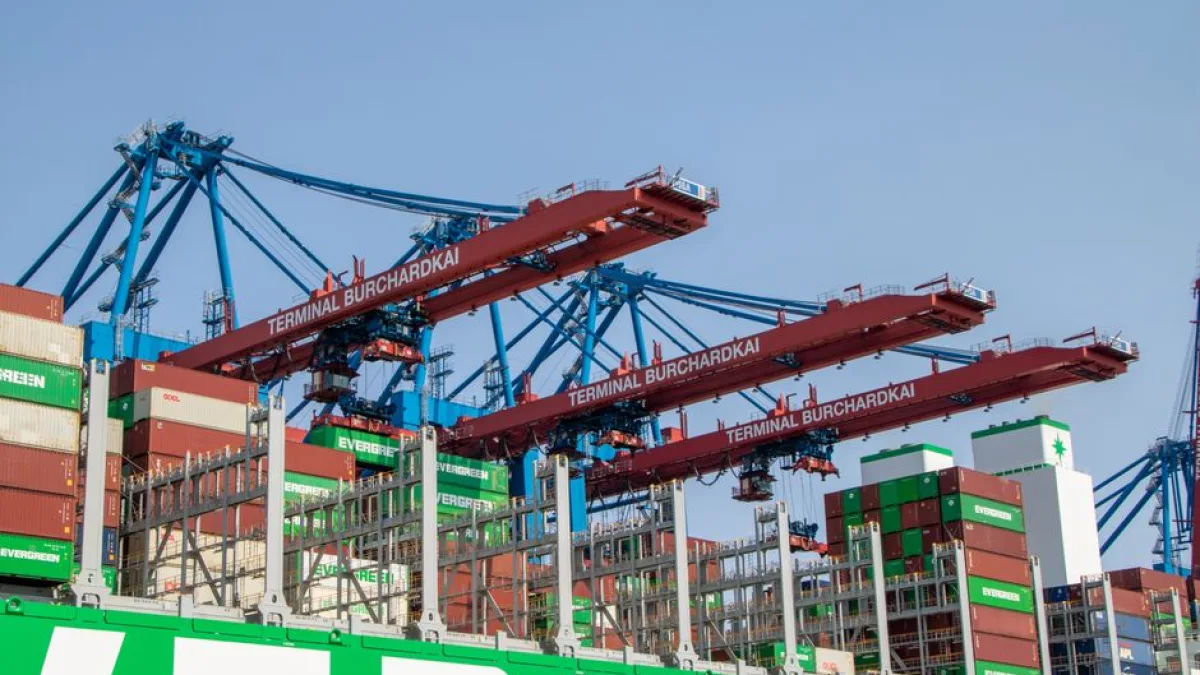
Port congestion remains a persistent challenge that threatens the reliability of global supply chains. Freight forwarders must develop proactive communication channels with port authorities and local drayage providers to navigate these bottlenecks effectively and keep cargo moving toward its destination.
- Real-time vessel tracking: Integrate live data feeds into your dashboard to monitor vessel arrival times and anticipate potential delays caused by seasonal congestion at major global shipping hubs.
- Proactive drayage coordination: Secure trucking appointments well in advance of vessel arrival to ensure that your containers are picked up immediately upon availability at the terminal yard.
- Port data integration: Connect your freight management system directly with terminal operating systems to receive automated status updates regarding container discharge and local customs release events.
- Alternative routing strategies: Maintain a database of secondary ports and regional terminals to serve as emergency diversion points when primary hubs face significant labor or equipment strikes.
Successfully managing port operations requires a combination of technical integration and local market expertise. By anticipating delays rather than reacting to them, you position your firm as a reliable partner capable of solving high-stakes logistics problems. This proactive posture helps you maintain tight delivery schedules, which is essential for maintaining client satisfaction and meeting the rigorous demands of just in time global inventory models.
Enhancing Digital Freight Visibility

Transparency is the new currency in the freight forwarding industry. Today, shippers demand total visibility into the status of their cargo, forcing forwarders to adopt cloud-based platforms that provide granular data updates from the point of origin to the final destination.
- Live tracking portals: Offer your clients a dedicated online portal where they can monitor the live location and transit status of their shipments without manual inquiries.
- Automated milestone updates: Configure your software to trigger automatic notifications whenever a shipment reaches critical stages like departure, transshipment, or final arrival at the destination port.
- Document management centralization: Store all essential bills of lading, commercial invoices, and packing lists in a secure cloud repository accessible by your team and clients.
- Data driven reporting: Generate monthly performance reports that highlight transit times and exception rates, allowing your clients to identify areas for improvement within their own supply chains.
When you provide clients with instant access to their shipment data, you drastically reduce the time spent answering manual status requests. This shift allows your staff to focus on higher value tasks like business development and complex problem solving. A transparent digital interface does more than keep clients happy; it creates a competitive moat that makes it difficult for them to switch to competitors.
Managing Fluctuating Ocean Rates

The volatility of ocean freight rates can devastate profit margins if not managed with sophisticated financial tools. Forwarders need to balance the need for competitive market pricing with the necessity of maintaining sustainable revenue streams in an unpredictable economic environment.
- Carrier contract management: Negotiate multi-year contracts with major carriers to secure guaranteed space and more predictable pricing during peak seasons when market rates often skyrocket suddenly.
- Dynamic cost analysis: Utilize software to track carrier cost fluctuations in real time, allowing you to adjust your service pricing models based on current market trends.
- Surcharge monitoring systems: Implement automated alerts that flag changes in bunker adjustment factors or currency adjustment factors to prevent surprise costs from eating into your operational margins.
- Profitability per shipment: Analyze historical data to understand which specific trade lanes provide the best margins, enabling you to focus your sales efforts on the most profitable routes.
Effective rate management transforms financial uncertainty into a controlled business process. By staying agile and utilizing historical performance data to inform future pricing strategies, you ensure that your firm remains resilient even during market downturns. Establishing strong relationships with both carriers and clients creates a balanced ecosystem where you can maintain profitable margins while offering consistent and competitive value in the global market.