Mastering Modern Logistics: A Guide to Advanced Shipping and Tracking
Wednesday, August 12 2026
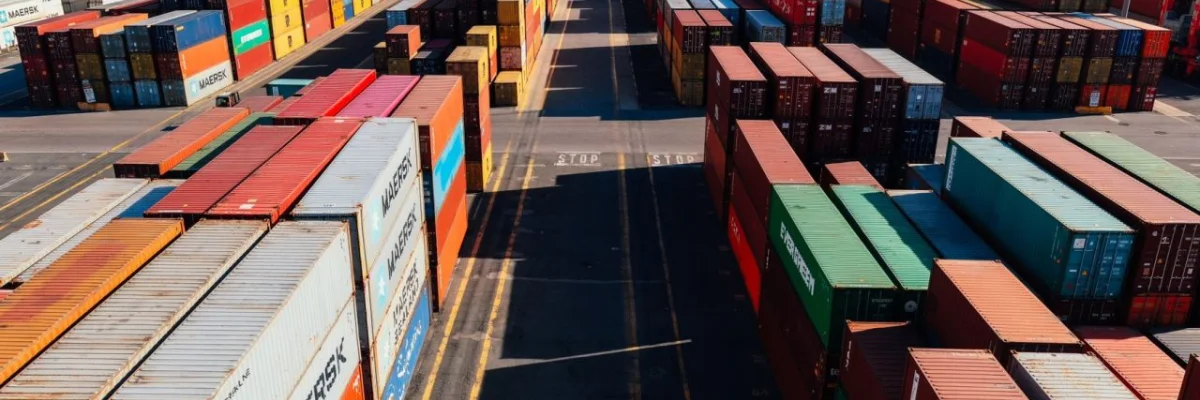
The global logistics landscape is undergoing a massive transformation driven by rapid digitization and the rising demand for absolute transparency across the supply chain. For freight forwarders, the ability to provide real-time visibility is no longer just a premium service but a fundamental requirement for maintaining competitive advantage in a volatile market. By leveraging cloud-based platforms, professionals can now bridge the communication gap between carriers, ports, and end customers. This guide explores how embracing sophisticated tracking tools and integrated shipping workflows enables businesses to overcome traditional bottlenecks, reduce operational friction, and deliver superior reliability in every single shipment transition.
The Power of Real-time Visibility
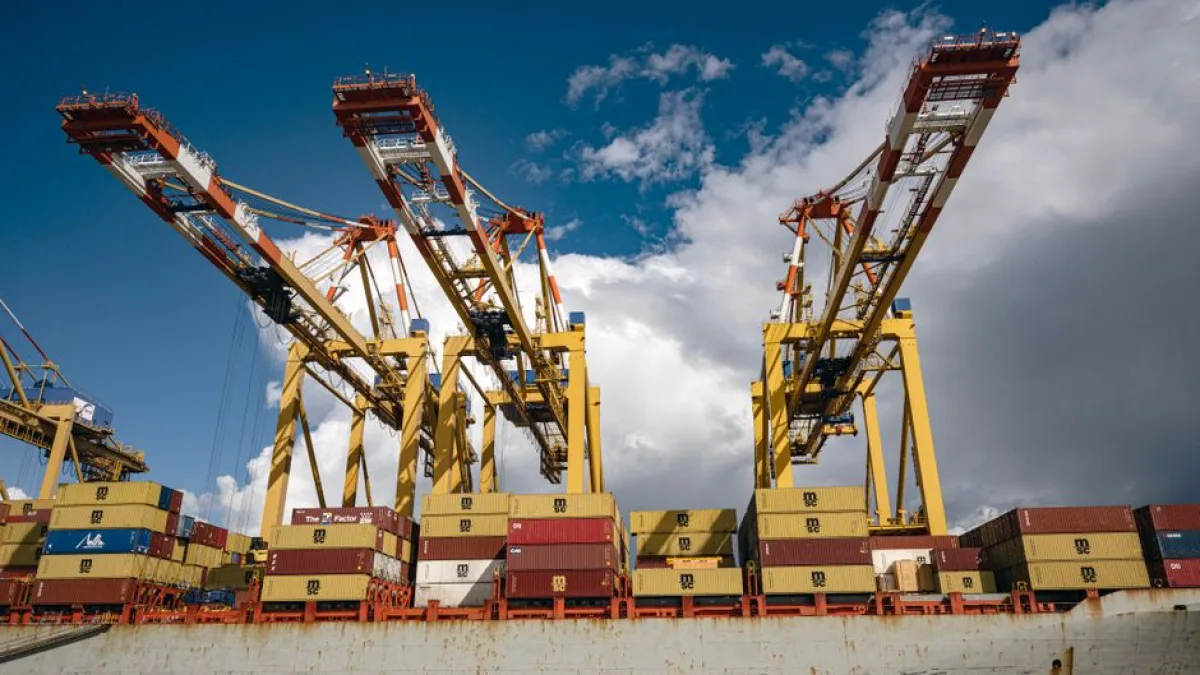
Digital tracking systems transform static shipment status updates into dynamic streams of actionable data. By integrating automated sensors and cloud connectivity, freight forwarders obtain a clear view of their inventory as it moves through complex global networks around the world.
- Live GPS Tracking: Gain constant awareness of asset locations to preempt potential delays and inform stakeholders about arrival times with extreme accuracy during the entire transit phase.
- Automated Status Alerts: Trigger notifications for specific milestones like port departure or customs clearance to keep clients updated without manual data entry or repetitive email exchanges.
- Predictive Delay Analytics: Utilize historical traffic data and weather patterns to anticipate possible transit hurdles before they manifest, allowing for proactive adjustments to your shipping routes.
- Centralized Data Access: Ensure every team member works from the same information source by maintaining all shipment documentation within a unified digital repository for easy retrieval.
Adopting real-time tracking solutions provides your operations team with the clarity needed to handle unexpected disruptions with confidence. When data flows seamlessly between systems, you eliminate the guesswork that traditionally plagues the freight industry. This technological integration not only enhances your internal efficiency but also builds significant trust with clients who demand constant updates. Start digitizing your tracking processes to stay ahead today.
Optimizing Port and Terminal Operations
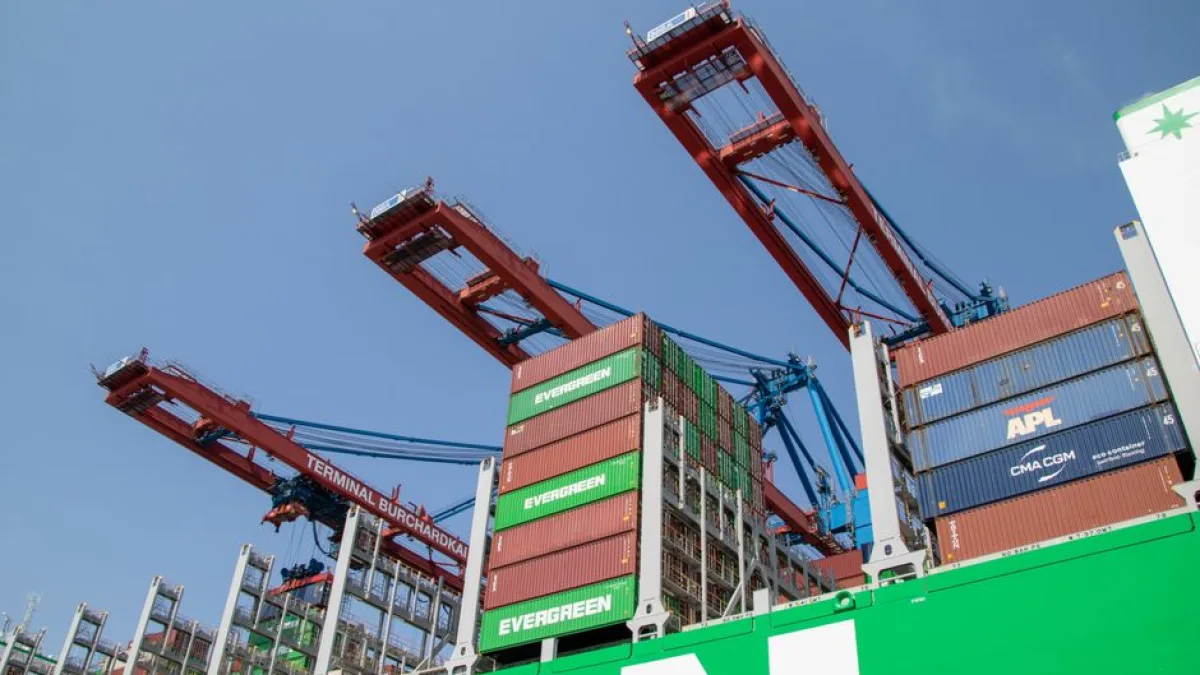
Efficient terminal management relies on the seamless exchange of information between freight forwarders and port authorities. Streamlined documentation flows directly impact the speed of vessel loading, container handling, and overall cargo turnaround times in major global trade hubs.
- Digitized Dock Appointments: Schedule vehicle arrival times effectively to reduce idling periods at terminal gates, which minimizes costs and improves the overall throughput of your cargo.
- Integrated Customs Documentation: Submit necessary regulatory paperwork electronically to bypass physical processing delays, ensuring that goods clear border controls quickly and remain on their schedule.
- Smart Container Sorting: Utilize advanced warehouse software to organize container retrieval processes based on priority and destination to prevent bottlenecks during busy peak transit periods.
- Carrier Performance Audits: Analyze port efficiency metrics to determine which terminals offer the most reliable service, enabling better strategic planning for future shipments and vendor selection.
Streamlined port operations are essential for maintaining a healthy bottom line in modern freight forwarding. By automating documentation and prioritizing clear communication with terminal operators, you can avoid costly dwell charges and unexpected detention fees. Focusing on these operational details allows your team to maintain high service standards consistently. Invest in better coordination tools to turn every terminal bottleneck into a victory.
Leveraging Automated Shipping Notifications

Proactive communication serves as the backbone of a successful customer experience in the logistics sector. Automated notifications ensure that clients receive relevant, timely updates, which minimizes anxiety and reduces the volume of repetitive inquiry calls reaching your team.
- Personalized Client Updates: Configure custom triggers that send tailored information to specific stakeholders, ensuring that customers only see the data most relevant to their unique cargo.
- Exception Management Alerts: Send immediate notifications when a shipment experiences an unexpected route change, providing a clear explanation and a revised estimate for the delivery.
- Branded Tracking Portals: Direct clients to a professional tracking page featuring your corporate branding, which reinforces your company identity throughout the entire post-booking customer service lifecycle.
- Multichannel Delivery Options: Distribute status updates via email, SMS, or mobile application alerts, catering to the communication preferences of different stakeholders across your international client network.
By implementing automated notification systems, you free up your staff to focus on solving complex logistical problems rather than answering basic shipment status queries. This shift in focus drives productivity while simultaneously improving the client experience through increased transparency. As your customers receive reliable data at every step, your reputation for excellence will naturally grow within the competitive global freight marketplace.
Building Resilient Supply Chain Networks
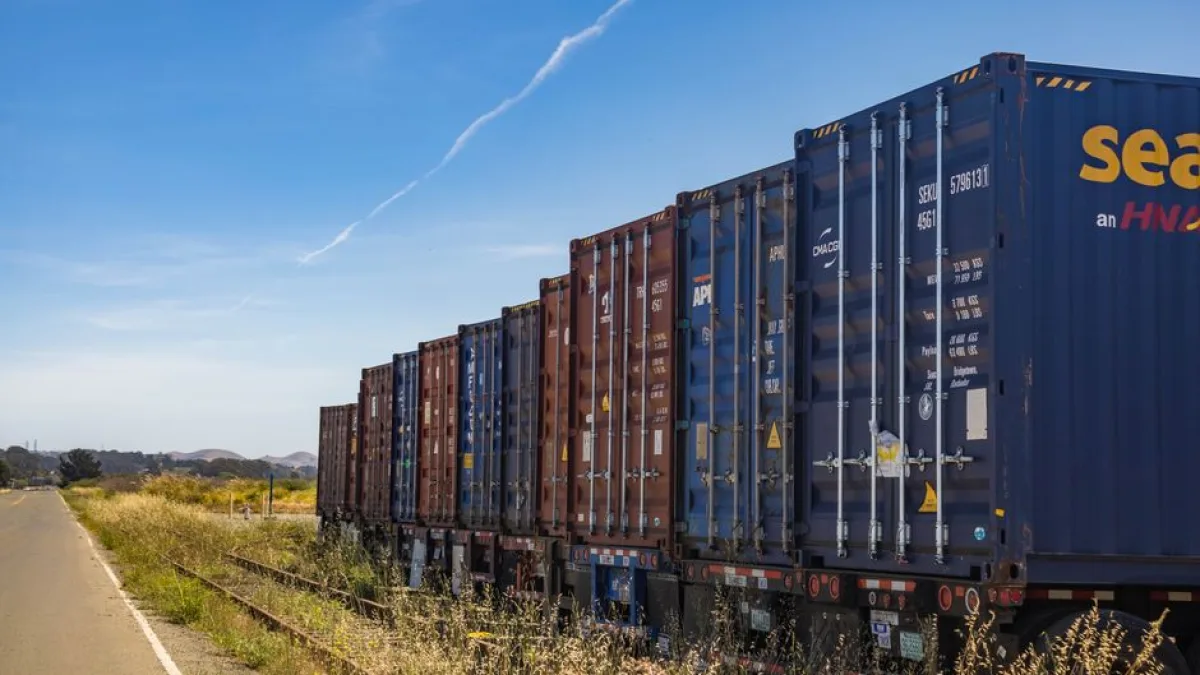
Resilience in modern logistics is built by creating flexible networks capable of weathering disruptions. Data-driven decision-making allows freight forwarders to pivot quickly when faced with external challenges, ensuring that goods reach their final destinations with minimal disruption to the flow.
- Diversified Carrier Selection: Maintain partnerships with multiple shipping lines to ensure you have alternative options whenever capacity constraints or major service disruptions affect your primary carriers.
- Strategic Route Planning: Evaluate different transit pathways based on cost and reliability to create a balanced approach that protects your business against localized logistics failures.
- Scalable Cloud Infrastructure: Choose software that grows with your transaction volume, ensuring your tracking capabilities remain robust regardless of whether your business manages ten shipments.
- Collaborative Partner Portals: Share critical tracking information with carriers and warehouses in a secure environment to foster alignment across your entire global logistics supply network.
A resilient supply chain is the ultimate defense against the unpredictable nature of global trade. By prioritizing agility and data accuracy, you position your logistics company to handle volatility without compromising on service quality. Continue to refine your strategies by auditing your network performance regularly. With a strong digital foundation, you can turn modern logistics challenges into opportunities for long-term sustainable growth.
Conclusion

Mastering modern shipping and tracking is no longer optional for freight forwarders who want to excel. By integrating real-time visibility, automated notifications, and resilient network strategies into your daily operations, you enhance your service quality and operational efficiency. The transition to a fully digitized workflow empowers your team to deliver excellence consistently. Start leveraging these powerful tools today to secure your competitive advantage globally.