Mastering Modern Logistics: The Future of Shipping and Tracking
Thursday, August 27 2026

In the fast-paced world of international trade, the ability to monitor cargo movement in real-time has evolved from a luxury into an absolute operational necessity. Freight forwarders are increasingly tasked with managing complex supply chains where visibility determines success. As global market demands shift toward instantaneous data updates, leveraging cloud-based platforms becomes essential for maintaining a competitive edge. By integrating advanced tracking systems into daily workflows, professionals can anticipate bottlenecks, reduce administrative friction, and provide clients with the transparency they demand. Understanding the core mechanisms behind modern digital tracking is the first step toward transforming your logistics business into a high-performance entity.
The Evolution of Visibility
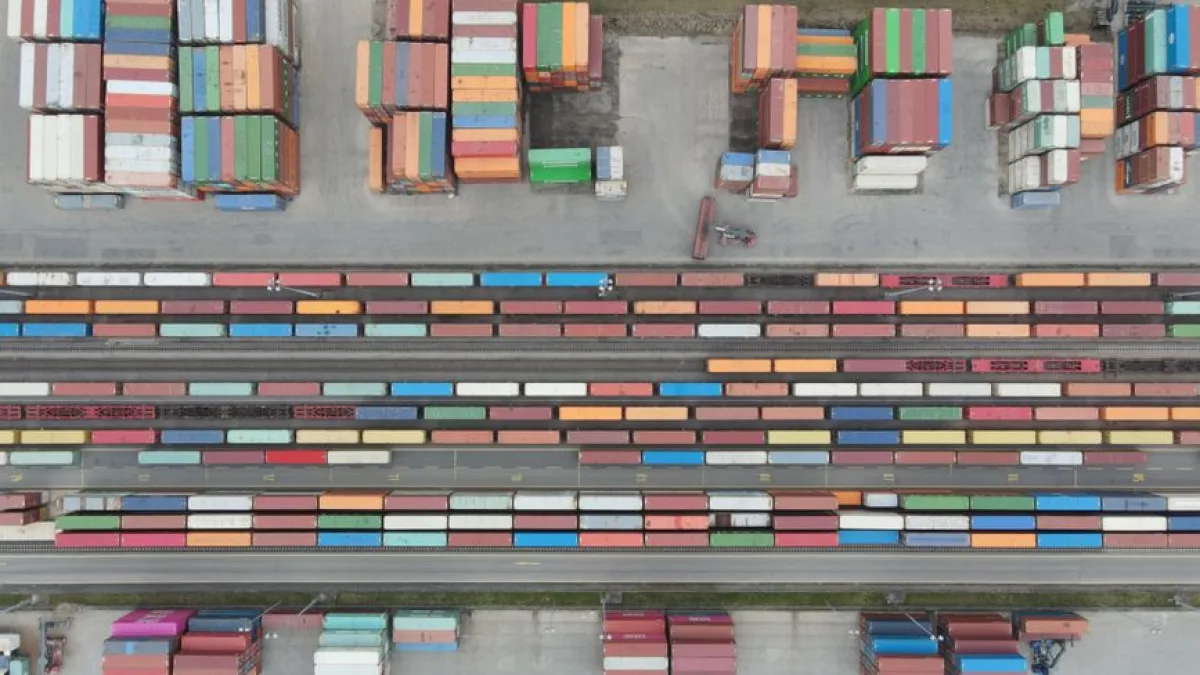
Digital visibility tools have fundamentally changed how logistics providers interact with their global shipments. By shifting away from manual entry and legacy spreadsheets, forwarders can now visualize the entire journey of a container from the departure port to the final destination.
- Real-time data synchronization: Modern cloud platforms automatically sync shipment milestones with carrier updates to ensure your team always works with the most accurate, live status information available for every single load.
- Proactive exception management: Automated alerts allow you to identify shipping delays or customs holds before they escalate into major issues, enabling swift intervention to protect your clients sensitive delivery timelines.
- Centralized document access: Storing bills of lading and customs documentation within your tracking software minimizes time wasted searching through email threads while keeping all compliance records perfectly organized for audits.
- Client portal transparency: Empower your customers with a dedicated access point to view their own shipping statuses, which reduces the volume of repetitive status inquiry emails and phone calls.
Adopting these technological advancements allows your team to focus on high-value tasks rather than manual data entry. By automating routine status updates, you create more time for strategic planning and business development. As visibility becomes the industry standard, freight forwarders who embrace these cloud-based solutions will inevitably set the bar for excellence and reliability in a crowded and highly competitive international shipping market.
Leveraging Predictive Analytics
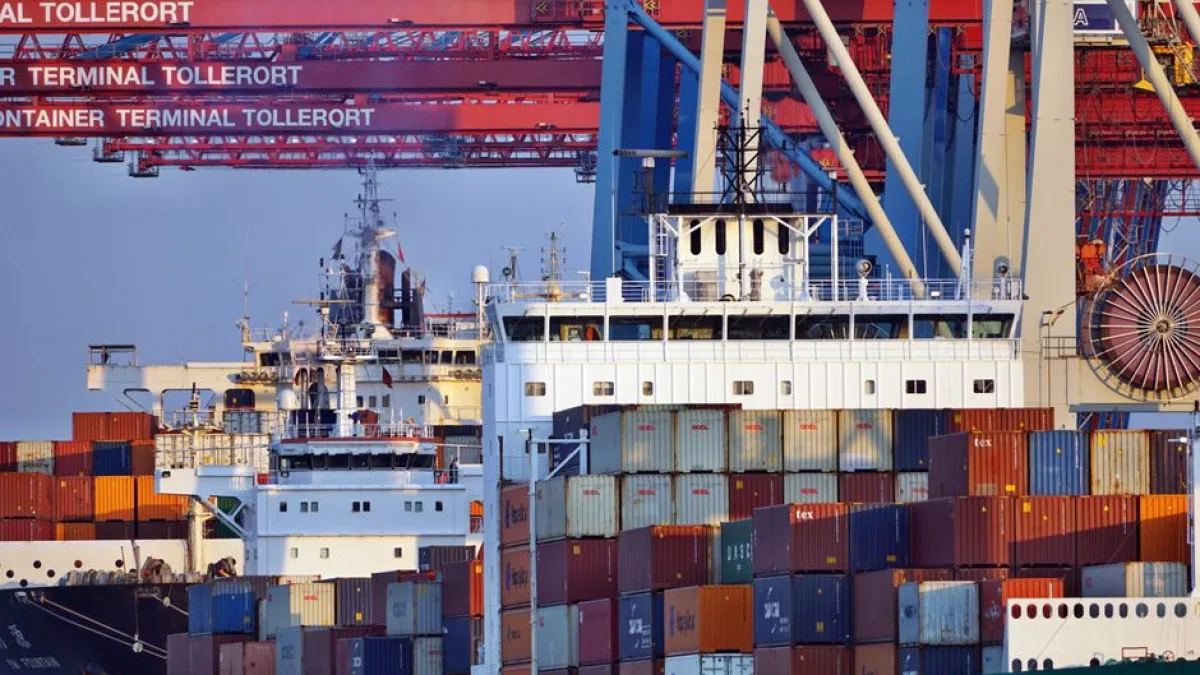
Predictive analytics represent the next frontier in shipping efficiency, allowing freight forwarders to use historical data to forecast future performance and potential transit disruptions. This analytical approach empowers companies to optimize routes and select carriers based on actual reliability statistics.
- Historical performance trends: Analyzing years of shipping data helps you identify which specific lanes or carriers consistently meet their deadlines and which ones tend to suffer from recurring delays.
- Smart route optimization: Advanced algorithms suggest the most efficient transit paths based on current weather patterns, port congestion reports, and historical vessel arrival data for each individual shipment.
- Resource demand forecasting: Predict seasonal spikes in volume to adjust your staffing requirements and warehouse space allocation, ensuring that your operations remain smooth during peak global shopping seasons.
- Risk mitigation strategy: Use data-driven insights to diversify your carrier partnerships, effectively minimizing the impact of unforeseen disruptions such as port strikes or severe weather events across global networks.
Integrating predictive intelligence into your workflow transforms your operations from a reactive state to a proactive powerhouse. You will gain the ability to offer clients more accurate delivery estimations, which builds trust and long-term loyalty. As you refine your use of these powerful analytical tools, your firm will operate with a level of precision that drives profitability and sustainable growth for years.
Streamlining Communication Channels

Effective communication remains the heartbeat of the freight industry. Integrating messaging and notification systems directly into your tracking software ensures that every internal stakeholder and external partner stays informed throughout the entire lifecycle of the international shipment.
- Instant status notifications: Automated updates sent directly to your logistics team or end clients provide immediate peace of mind without requiring any manual effort or constant status check inquiries.
- Internal collaboration tools: Keep your logistics coordinators, customs brokers, and warehouse staff aligned within one unified digital platform to prevent miscommunications that often lead to costly human errors.
- Unified messaging threads: Centralizing all communications regarding specific shipments keeps vital context and decision-making history accessible to everyone involved, ensuring seamless transitions during shift changes or staff absences.
- External partner integration: Securely share shipping milestones and documents with trucking companies and agents, fostering a collaborative ecosystem that speeds up the entire movement of global freight cargo.
Clear communication bridges the gap between complex logistical operations and customer satisfaction. When information flows freely and accurately through your platform, you eliminate the confusion that often causes project delays. By prioritizing transparency in your daily communications, you reinforce your brand reputation as a reliable and professional logistics partner, capable of managing even the most intricate shipping challenges with calm, calculated expertise.
The Power of Cloud Integration

Cloud integration acts as the backbone of modern freight forwarding, providing the scalability needed to handle growing volumes. By connecting various software components, businesses create a unified digital ecosystem that supports growth, innovation, and enhanced operational speed across all departments.
- Seamless API connectivity: Connect your tracking software with customs systems and carrier portals to enable a constant, automated flow of information that requires zero manual intervention from users.
- Scalable infrastructure growth: Cloud-based platforms grow alongside your business, allowing you to add new users, additional branches, or expanded service capabilities without needing to purchase expensive physical server hardware.
- Secure cloud storage: Benefit from enterprise-grade security protocols that protect your sensitive shipping data and client information from cyber threats while providing instant backup and recovery options daily.
- Mobile accessibility features: Enable your staff to monitor shipments and manage tasks from any location using secure mobile applications, ensuring that operations continue uninterrupted regardless of physical office location.
Moving your operations to a cloud-based environment is not just an upgrade, it is a fundamental shift toward future-proofing your logistics business. The agility gained through cloud technology allows you to pivot quickly when market conditions change. By investing in a robust digital infrastructure, you position your freight forwarding company for long-term success while providing an unmatched level of service to your clients.
Conclusion

The integration of advanced shipping and tracking tools is the defining factor for success in the modern logistics landscape. By leveraging real-time data, predictive insights, and cloud connectivity, freight forwarders can optimize their operations and exceed customer expectations consistently. Start evaluating your digital capabilities today to ensure your firm remains at the forefront of innovation in an increasingly connected and demanding global market.