Mastering Modern Logistics: The Future of Shipping and Tracking
Monday, September 14 2026

The global supply chain is evolving at an unprecedented pace, demanding higher levels of visibility and precision from every freight forwarder. As clients demand real time updates on their cargo, the reliance on outdated manual spreadsheets has become a major liability. Companies that integrate cloud based tracking software gain a distinct competitive edge by turning complex logistics data into actionable insights. By embracing digital transformation, you can proactively manage potential disruptions, improve customer satisfaction, and scale your operations efficiently. This guide explores the essential components of modern shipping and tracking strategies that help forwarders navigate today's dynamic global logistics environment.
Optimizing Real Time Visibility
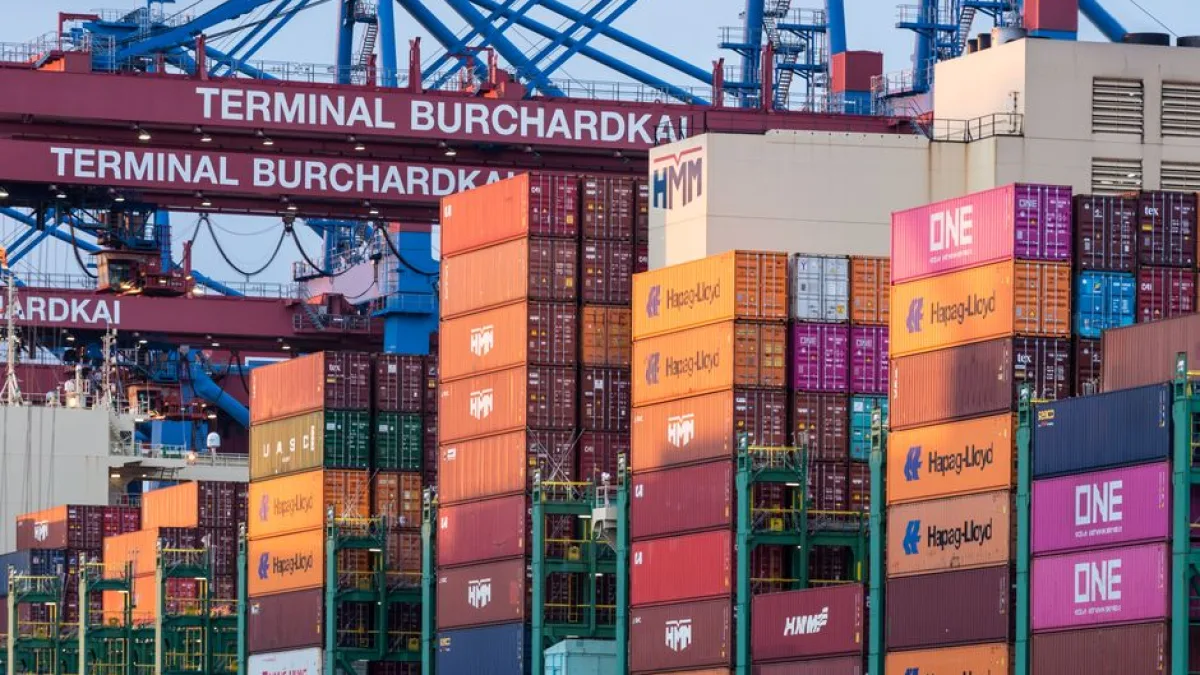
Real time visibility is the backbone of modern freight forwarding, allowing logistics teams to monitor shipments across global networks. By capturing live data points, forwarders eliminate guesswork and provide accurate arrival estimates to clients, which significantly builds trust and reliability throughout the shipment lifecycle.
- Automated Data Feeds: Integrate directly with major ocean carriers to receive automatic status updates, reducing the need for manual check ins and minimizing human error in reporting processes.
- Proactive Exception Management: Utilize intelligent software alerts to identify delays immediately, allowing your team to deploy contingency plans before a minor issue develops into a major disruption.
- Customer Transparency Portals: Provide your clients with secure, branded access to shipment tracking data, empowering them to view their cargo status without needing to contact your staff.
- Unified Tracking Dashboards: Consolidate data from multiple carriers into a single screen, ensuring your operations team maintains a comprehensive view of all active shipments regardless of mode.
- API Integration Power: Connect your internal systems with external tracking providers to ensure that all information remains consistent across your shipping, accounting, and client management software modules.
Adopting a unified tracking approach transforms the way your agency handles communication. By replacing scattered emails with automated live updates, your team frees up hours of administrative time each week. This shift allows you to focus on high value tasks like relationship building and operational strategy, ensuring that your business remains resilient and responsive even during peak shipping seasons or unexpected global supply chain disruptions.
Streamlining Documentation Workflows

Efficient documentation is critical for maintaining smooth operations, yet it remains one of the most time consuming aspects of logistics. Digital platforms now allow for the automated generation and storage of bills of lading, commercial invoices, and essential customs clearance documents.
- Electronic Document Storage: Manage all shipping documents within a secure, centralized cloud repository that ensures your team can access vital files from any location at any time.
- Automated Form Generation: Use pre filled templates based on existing booking data to create accurate shipping documents in seconds, significantly reducing the risk of clerical errors.
- Digital Approval Chains: Implement automated workflows that route documents to the appropriate stakeholders for digital signatures, accelerating the approval process and reducing physical document handling times.
- Customs Compliance Automation: Leverage integrated tools that validate data against international trade regulations, helping your team avoid costly fines and delays during the critical customs clearance process.
- Secure File Sharing: Enable instant, secure document sharing with external partners, ensuring that customs brokers and warehouse staff always have access to the most updated versions.
Integrating documentation workflows directly into your tracking platform creates a seamless experience for your staff. By eliminating the manual entry of duplicate data, you ensure that shipment records are always accurate and compliant. This digital focus not only accelerates your billing cycles but also strengthens your professional credibility, providing a solid foundation for managing larger volumes of cargo while maintaining high service standards.
Leveraging Advanced Predictive Analytics

Predictive analytics allows freight forwarders to move beyond reactive tracking and start forecasting potential supply chain outcomes. By analyzing historical performance and current trends, firms can make data driven decisions that optimize routes, reduce transit times, and ultimately lower overall shipping costs.
- Historical Trend Analysis: Identify recurring patterns in transit delays or carrier performance to make informed decisions when selecting partners for future shipments or negotiating new service contracts.
- Route Optimization Tools: Analyze environmental and logistical factors to select the most efficient shipping paths, ensuring that cargo moves through the network with minimal risk of delay.
- Cost Performance Tracking: Monitor spending across different lanes and carriers to find hidden savings, allowing your firm to provide more competitive pricing to your valued end clients.
- Predictive Capacity Planning: Forecast future space requirements based on client volume trends, helping you secure necessary vessel space well in advance of peak season fluctuations or capacity shortages.
- Risk Assessment Modeling: Simulate different logistics scenarios to identify potential vulnerabilities in your supply chain, allowing for the development of robust contingency plans to protect cargo movement.
Incorporating predictive analytics into your daily routine provides a sophisticated way to manage logistics complexity. Instead of simply monitoring where cargo is located, you are now actively optimizing how it reaches its destination. This transition to a proactive stance empowers your company to offer premium consulting services to your clients, positioning your logistics firm as a strategic partner rather than just a vendor.
Enhancing Communication Through Integration

Communication breakdowns remain a leading cause of logistics errors and frustrated clients. Integrating your shipping platform with messaging tools and internal CRM systems ensures that everyone remains on the same page, significantly reducing the risks associated with siloed information and outdated status reports.
- Centralized Communication Hubs: Keep all shipment related correspondence tied directly to specific booking records, ensuring that your entire team can access the full context of every client interaction.
- Automated Status Notifications: Configure triggers to send instant email or SMS updates to clients at critical milestones, keeping them informed without requiring manual intervention from staff.
- Internal Team Collaboration: Use built in messaging features to discuss shipment issues internally, preventing sensitive information from being lost in crowded personal email inboxes or chat apps.
- External Partner Portals: Grant select access to trucking partners or warehouse operators, enabling them to update status information directly within your system for real time visibility.
- Integration With CRM: Sync shipment data with your customer management software to provide sales teams with deeper insights into client activity, facilitating personalized service and effective growth.
Streamlined communication is essential for maintaining high levels of client retention in the logistics industry. By utilizing cloud based tools to connect your team and partners, you ensure that every stakeholder has access to the correct information at all times. This cohesive approach minimizes confusion and errors, fostering a professional reputation that keeps your clients coming back for your reliable shipping services.
Conclusion

Modernizing your shipping and tracking operations is no longer optional for firms aiming to lead in the competitive freight market. By leveraging cloud technology, real time data, and predictive analytics, you can significantly enhance your operational efficiency. Start your digital transformation journey today to ensure your agency stays ahead of the curve and continues to provide exceptional service to every client.