Mastering Modern Logistics: The Future of Shipping and Tracking
Saturday, September 26 2026

The global supply chain landscape is evolving at an unprecedented pace, demanding higher levels of visibility and operational agility from freight forwarders. As client expectations for real-time updates rise, professionals must transition from legacy manual processes to integrated digital ecosystems. This shift is not merely about staying competitive but about ensuring long-term resilience in a volatile international market. By leveraging advanced cloud-based platforms, forwarders can now provide granular insights into every stage of the transit process. This guide explores essential strategies for enhancing tracking capabilities and operational transparency to drive efficiency across your entire logistics organization today.
Optimizing Real Time Visibility
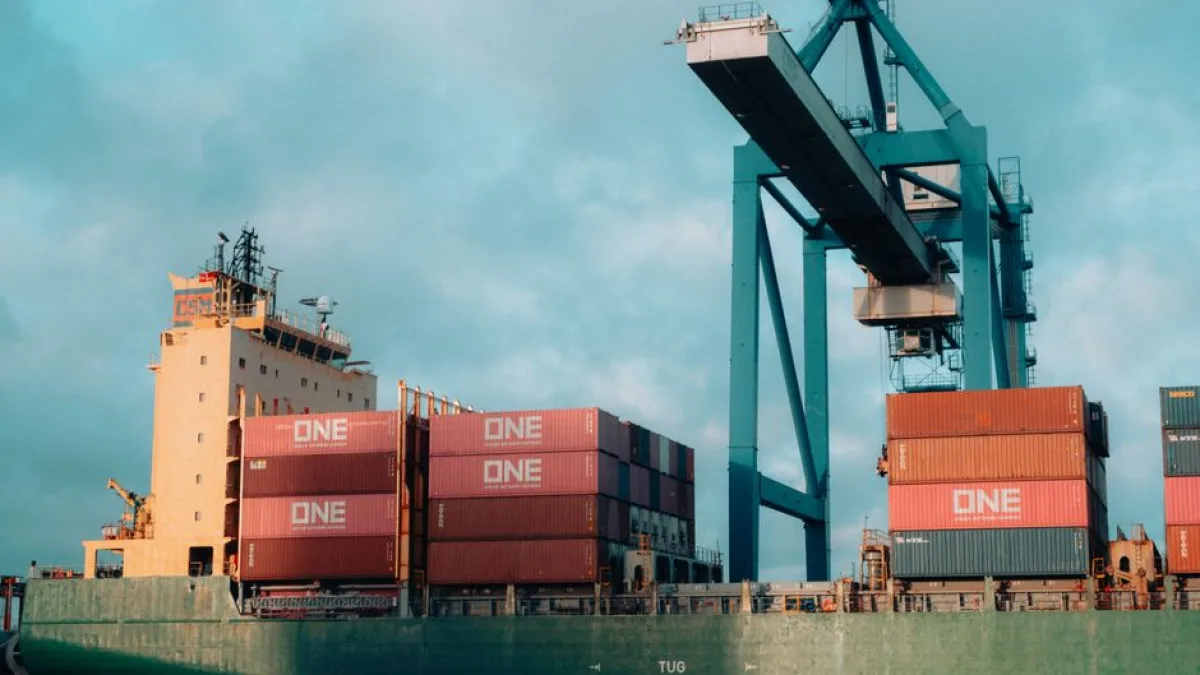
Achieving total visibility begins with digitizing your data streams to ensure every stakeholder has access to live updates. By integrating automated tracking sensors and digital platforms, you can eliminate information gaps that often lead to costly delays and customer frustrations.
- Automated Tracking Updates: Implement systems that automatically push status notifications to clients upon every milestone reached. This reduces manual inquiries and improves your overall service reliability for every customer.
- API Integration Power: Connect your internal software directly with shipping carriers to receive live data feeds. This ensures your tracking dashboard remains updated without any manual data entry.
- Predictive Arrival Alerts: Use historical data to anticipate potential transit delays before they occur. Informing customers proactively allows for better planning and builds significant trust with your clients.
- Unified Tracking Dashboards: Centralize all shipping data into one accessible interface for your team. This eliminates the need to switch between multiple carrier websites to monitor complex shipments.
- Customer Self Service: Provide clients with a secure portal to check shipment statuses independently. This empowers your customers while saving your staff valuable time on routine status requests.
By prioritizing visibility, freight forwarders transform their service delivery models from reactive to proactive operations. This evolution requires robust technology that keeps data synchronized across global networks without friction. Once your systems are fully integrated, the ability to address exceptions immediately becomes a core competitive advantage. Investing in these digital tools ensures your team spends less time searching for answers and more time optimizing delivery.
Leveraging Predictive Analytics

Data analytics now plays a critical role in forecasting transit times and identifying potential bottlenecks early. By analyzing historical performance metrics, forwarders can make informed decisions that significantly enhance their routing efficiency and reduce total overhead costs throughout shipping.
- Performance Trend Analysis: Review historical lane performance to identify which carriers consistently meet their deadlines. This data helps in selecting the right partners for specific high-priority shipping routes.
- Route Optimization Tools: Utilize software that calculates the fastest and most cost effective transit routes. These tools adjust based on real time variables like port congestion and weather.
- Carrier Capacity Planning: Analyze volume trends to predict when you will need more space on specific vessels. Planning ahead prevents last minute bookings at higher market rates.
- Cost Variance Tracking: Monitor fluctuations in freight rates to keep your budgeting accurate. Identifying cost spikes early allows for better financial planning throughout the fiscal year.
- Exception Management Workflow: Establish automated triggers for when a shipment deviates from the schedule. Quick identification allows your team to find alternative solutions before minor issues escalate.
Predictive analytics turns raw shipment data into actionable business intelligence that improves your operational bottom line. When you understand the underlying patterns of your logistics network, you can better mitigate risks associated with port delays and capacity shortages. This proactive approach to data allows freight forwarders to provide accurate quotes and reliable transit expectations that consistently satisfy demanding clients and stakeholders.
Enhancing Customer Communication

Clear and consistent communication remains the cornerstone of client retention in the logistics industry. Utilizing digital tools to automate your messaging ensures that customers receive timely, accurate information without placing an undue burden on your customer service team.
- Automated Status Notifications: Configure your platform to send branded status updates to clients automatically. Consistent communication prevents anxiety regarding the location and safety of valuable freight shipments.
- Centralized Communication Logs: Keep all client correspondence attached directly to the specific shipment file. This ensures anyone on your team can assist a customer with full context.
- Exception Messaging Templates: Develop professional templates to handle common delays or unexpected transit issues. Quick responses during problems demonstrate transparency and maintain strong professional client relationships.
- Collaborative Document Sharing: Enable secure document uploads so clients can access invoices and bills of lading. Providing self service options reduces administrative hurdles and speeds up processing.
- Feedback Loop Integration: Request client feedback immediately after a shipment reaches its final destination. This simple act provides insights that lead to future service improvements and growth.
Effective communication strategies bridge the gap between complex logistical operations and customer satisfaction. By automating the flow of information, you ensure that every client feels informed and valued throughout the entire lifecycle of their cargo. Maintaining this open line of communication is essential for building a loyal client base that trusts your expertise even when unforeseen challenges arise within global supply chains.
Integrating Cloud Based Software

Cloud software serves as the central nervous system for modern freight forwarding, allowing for seamless data access from any location globally. By moving operations to the cloud, you ensure that your team remains connected and productive regardless of their physical workspace.
- Global Data Accessibility: Access your shipment data from any device or location with an internet connection. This flexibility supports remote work and improves responsiveness in a global market.
- Real Time Collaboration: Allow multiple team members to update shipment details simultaneously without conflicts. Syncing data in the cloud prevents errors and ensures everyone sees updates.
- Scalable Infrastructure Growth: Expand your software capabilities as your business volume increases over time. Cloud platforms provide the scalability needed to handle higher shipments without hardware upgrades.
- Enhanced Data Security: Protect sensitive client information with enterprise grade encryption and regular backups. Cloud providers offer security protocols that are often better than internal IT teams.
- System Interoperability Layers: Connect your freight software with accounting and customs tools easily. Integrated ecosystems minimize manual entry and reduce the likelihood of costly human errors occurring.
Adopting cloud-based solutions is a fundamental requirement for forwarders looking to modernize their infrastructure and improve overall agility. By removing the limitations of local software, you empower your team to collaborate more efficiently and securely on every shipment. This digital foundation supports ongoing growth, enabling your firm to handle complex logistical demands while maintaining a high standard of service for every global client.
Conclusion

Modernizing your shipping and tracking operations is no longer optional for freight forwarders who want to lead the market. By prioritizing real-time visibility, leveraging analytics, and using cloud technology, you build a resilient business that scales with ease. Focus on these core areas to drive operational efficiency and deliver an exceptional experience to every customer, ensuring your firm remains a trusted partner in global logistics.