Mastering Modern Logistics: A Guide to Advanced Shipping and Tracking
Tuesday, August 18 2026
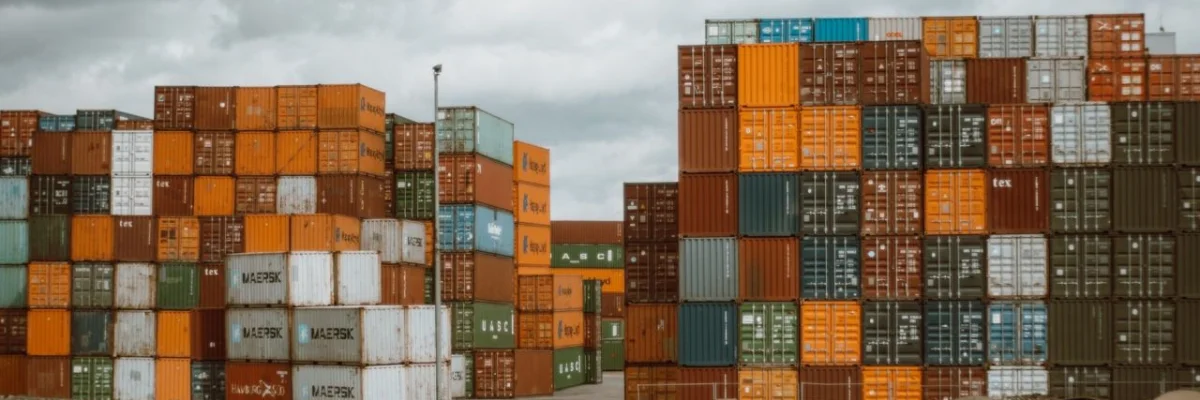
The global logistics landscape is evolving rapidly, demanding higher levels of visibility and operational precision from every freight forwarder. As businesses navigate complex supply chains, the ability to provide accurate, real-time tracking information has become a critical competitive differentiator. Modern software platforms now empower forwarders to transform raw data into actionable insights, reducing uncertainty for both the carrier and the end customer. By leveraging cloud-based technologies, professionals can anticipate bottlenecks, optimize routes, and maintain transparency throughout the entire cargo journey. This article explores essential strategies for enhancing your shipping and tracking capabilities to ensure seamless operations in a volatile market.
Optimizing Real-Time Visibility
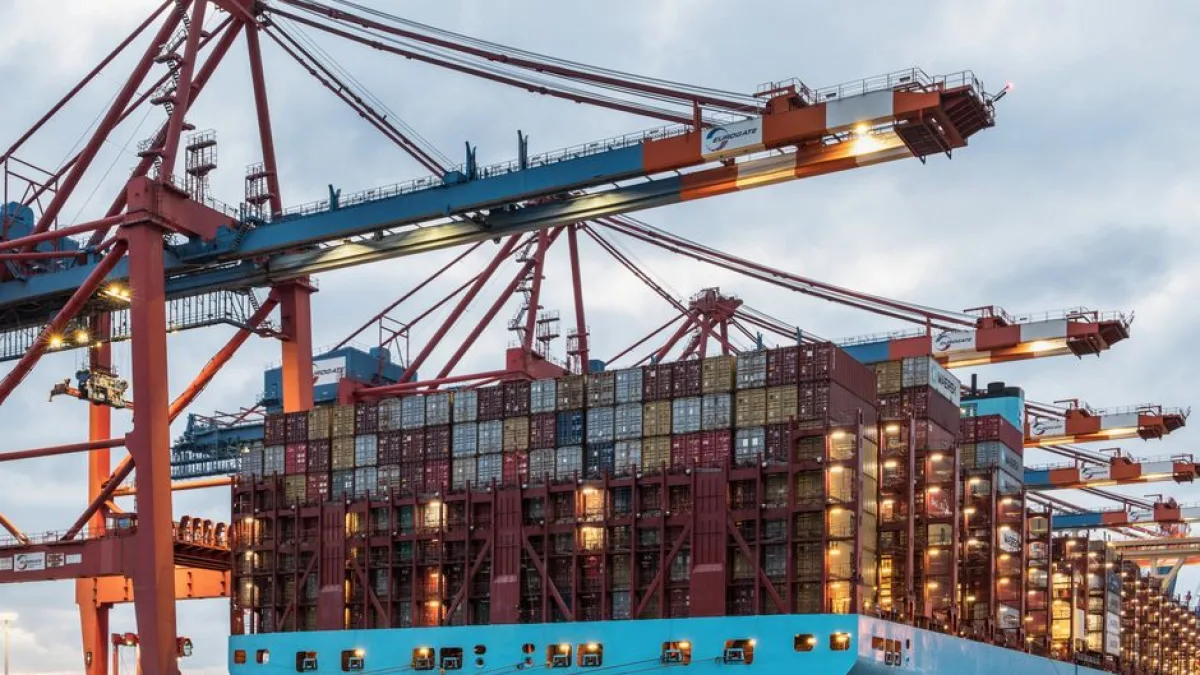
Digital transformation starts with clear visibility over your assets. By integrating automated tracking systems, forwarders can monitor container locations globally and alert clients before delays occur. This proactive approach builds trust and significantly improves the quality of service provided to shippers.
- Automated Tracking Updates: Integration with vessel tracking APIs allows your software to pull live location data directly, eliminating the need for manual status checks and reducing human data entry errors.
- Predictive Delay Alerts: Advanced algorithms analyze weather patterns and port congestion to forecast potential arrival delays, allowing you to notify stakeholders well before a schedule conflict actually occurs.
- Client Portal Access: Providing customers with a branded portal enables them to view their shipment status independently, reducing the volume of inbound inquiries handled by your operations team.
- Custom Notification Rules: Set personalized alerts based on specific milestones such as vessel departure, arrival at port, or final delivery to ensure that every partner stays fully informed constantly.
- Data Accuracy Validation: Automated systems perform cross-checks between carrier data and local records to ensure that your tracking information remains accurate throughout the entire duration of the shipment.
Achieving total visibility is not just about having data but about how you utilize it to manage expectations. When you implement these advanced digital tools, you empower your team to pivot quickly when unforeseen disruptions strike. This level of clarity establishes your brand as a reliable partner, turning potential logistical headaches into manageable updates that keep your business operations moving forward without any major service interruptions.
Streamlining Document Management

Efficient shipping operations rely heavily on the seamless flow of digital paperwork. Replacing traditional manual filing with cloud-based document management saves time and reduces the risk of compliance issues during transit. Proper digitization ensures that every stakeholder has instant access.
- Cloud Storage Integration: Centralized storage ensures that bills of lading and commercial invoices are accessible to authorized personnel from any location, facilitating faster approvals and customs clearance processes.
- Digital Signature Workflows: Implementing secure electronic signature protocols accelerates the processing time of critical shipping documents, helping to reduce transit delays caused by physical paper handling bottlenecks.
- Automated Document Indexing: AI-driven software automatically categorizes uploaded files based on content, making it incredibly simple for your staff to locate specific records during high-volume shipping periods.
- Compliance Monitoring Tools: Automated checks compare shipping documents against international trade regulations, ensuring that all paperwork meets legal requirements and preventing costly fines or customs seizures today.
- Version Control Systems: Track every change made to a document in real time to ensure that your team is always working from the latest, most accurate set of data.
By streamlining your document management, you effectively remove the friction that often plagues international freight forwarding. These digital solutions allow your staff to focus on high-value tasks rather than hunting for misplaced files. Maintaining an organized repository of digital records ensures audit readiness and provides a solid foundation for scaling your logistics business as client demands continue to grow over time.
Leveraging Carrier Integration
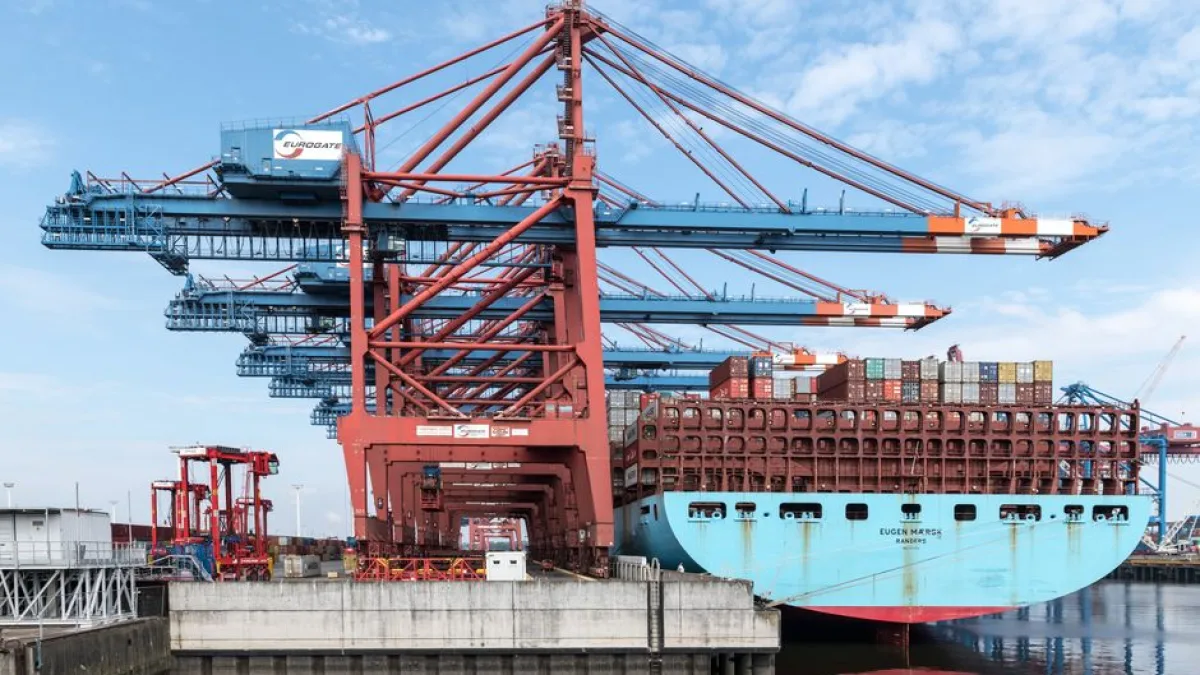
Direct integration with ocean and air carriers is the backbone of efficient tracking. Establishing digital connections allows for the seamless exchange of status updates, ensuring that your software reflects the same data seen by the global transport providers daily.
- Direct API Connections: Establishing direct data links with major shipping lines ensures that your platform receives the most current status updates without relying on third-party data aggregators.
- Standardized EDI Messaging: Using industry-standard electronic data interchange protocols allows for uniform communication between disparate logistics systems, ensuring data consistency across the entire supply chain network globally.
- Carrier Performance Metrics: Analyze historical carrier data provided through your software to evaluate which partners offer the most reliable transit times, helping you optimize future route planning.
- Automated Booking Requests: Integration tools allow your platform to push booking requests directly to carrier systems, speeding up the reservation process and securing space on preferred vessels.
- Container Status Syncing: Real-time synchronization of container events, such as gate-in or vessel departure, keeps your operations dashboard updated without manual intervention from your logistics coordinators or agents.
Integrating with carriers is essential for any modern forwarder looking to minimize manual work and maximize accuracy. When your software communicates directly with shipping lines, you reduce the reliance on fragmented email threads and outdated spreadsheets. This technological synergy creates a more robust tracking infrastructure, ultimately providing your clients with the precision they need to manage their inventory and global supply chains effectively.
Enhancing Customer Experience
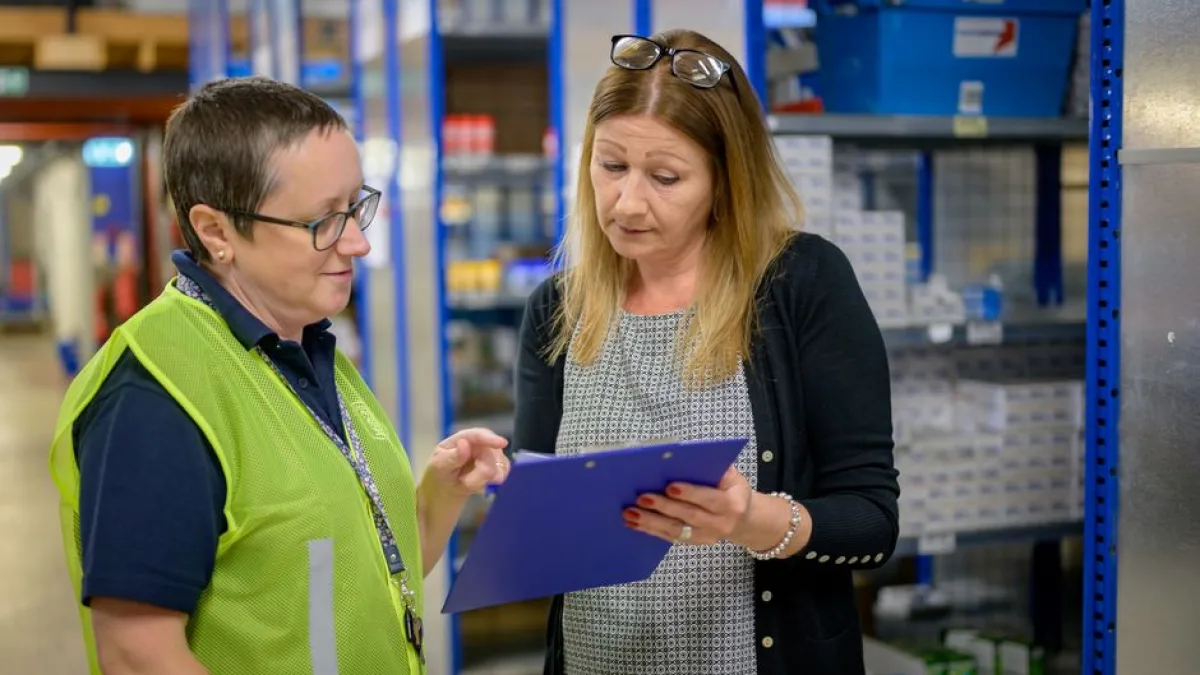
The ultimate goal of superior tracking is to satisfy the end user. By providing a transparent and easy-to-use interface, you empower your clients to manage their shipments with confidence. Excellence in communication is what fosters long-term business relationships in logistics.
- Customized Reporting Dashboards: Provide clients with tailored reporting tools that highlight the key performance indicators most relevant to their specific business needs, demonstrating your commitment to their success.
- Mobile Accessibility Tools: Ensure your tracking portal is fully optimized for mobile devices so clients can check their cargo status while on the go or visiting.
- Proactive Communication Strategy: Use your data insights to provide thoughtful updates that explain not just the status, but the impact of logistics events on their inventory.
- Feedback Collection Loops: Implement simple surveys within your tracking portal to gather feedback on service quality, helping you identify areas where your team can improve operations.
- Multi-Language Support Features: Offering interface options in multiple languages accommodates diverse international clients, breaking down communication barriers and expanding your reach into new global markets very quickly.
Focusing on the customer experience is what truly sets a freight forwarder apart in a crowded market. When you prioritize transparency through your digital tools, you build loyalty that transcends simple pricing metrics. Your clients will value the peace of mind that comes from knowing exactly where their cargo is, which builds a reputation for professional excellence and sustainable growth for years.
Conclusion

Advancing your shipping and tracking capabilities is no longer optional for freight forwarders striving for success. By leveraging automated visibility, streamlined document management, carrier integrations, and a customer-centric focus, you can elevate your operations significantly. Embrace these modern technologies to reduce manual burdens, minimize costly errors, and build lasting relationships with your clients. Start optimizing your digital logistics infrastructure with MakeCargo today for better results.